China's National Energy Development Strategic Action Plan (2014-2020) set a target for non-fossil energy to reach 15% of primary energy consumption by 2020, a goal that cannot be met without wind and solar. After severe wind and solar curtailment in 2016, reform of renewable energy policy mechanisms became urgent. Internationally, incentive policies fall into two families: fixed feed-in tariffs that support renewables through price subsidies, and a renewable portfolio standard combined with green certificate trading. In China the second approach has been discussed far more than implemented — until the National Development and Reform Commission, the Ministry of Finance and the National Energy Administration jointly issued a notice on piloting the issuance and voluntary subscription of green certificates, with trading opening on 1 July.
A portfolio standard is a demand-side policy, not a supply-side stimulus. More than thirty US states have adopted one, and in most cases the obligation falls not on generators but on their counterparties — the wholesale buyers, who must source a proportion of their electricity from renewables. This distinction matters enormously. Stimulating the supply side alone means the electricity generated still cannot reach the grid, worsening curtailment. Obliging the demand side instead creates a market: buyers must find and purchase renewable power, which gives generators and independent renewable developers both a market and an incentive to keep building. China's 2016 requirement that coal plants source 15% of generation from non-hydro renewables suffered from two flaws — it targeted the supply side while saying nothing about consumption, and it placed the burden on coal generators rather than on players with genuine technical advantage in renewables.
A second critical design element is the green certificate market. Renewable generators receive certificates for the electricity they produce, and those certificates trade freely. Buyers then have two routes to compliance: buying renewable power directly, or buying certificates when transmission is constrained. Electricity thereby acquires two commodity attributes — the physical power sold alongside coal-fired electricity, and the certificate representing its environmental attribute. With penalties for non-compliance typically several times the certificate price, buyers have a strong incentive to buy, and that penalty acts as the stick that makes a market. Without a certificate market, a portfolio standard is simply central planning by decree, imposing cost rather than minimising it.
Almost all US states have certificate markets, but many restrict trading to within the state, on the view that cross-border trade weakens local development. That protectionism raises overall cost and defeats the purpose. China's central government has the authority to prevent such fragmentation and build a unified national certificate market; the national platform launched for voluntary subscription has made a good start, and it should not be carved up along regional lines. As a responsible major country, China has made a solemn commitment to the international community on carbon reduction and renewable energy. Policy must be made carefully, with a clear and rational approach to achieving the greatest effect at the lowest cost while balancing economic and environmental considerations.

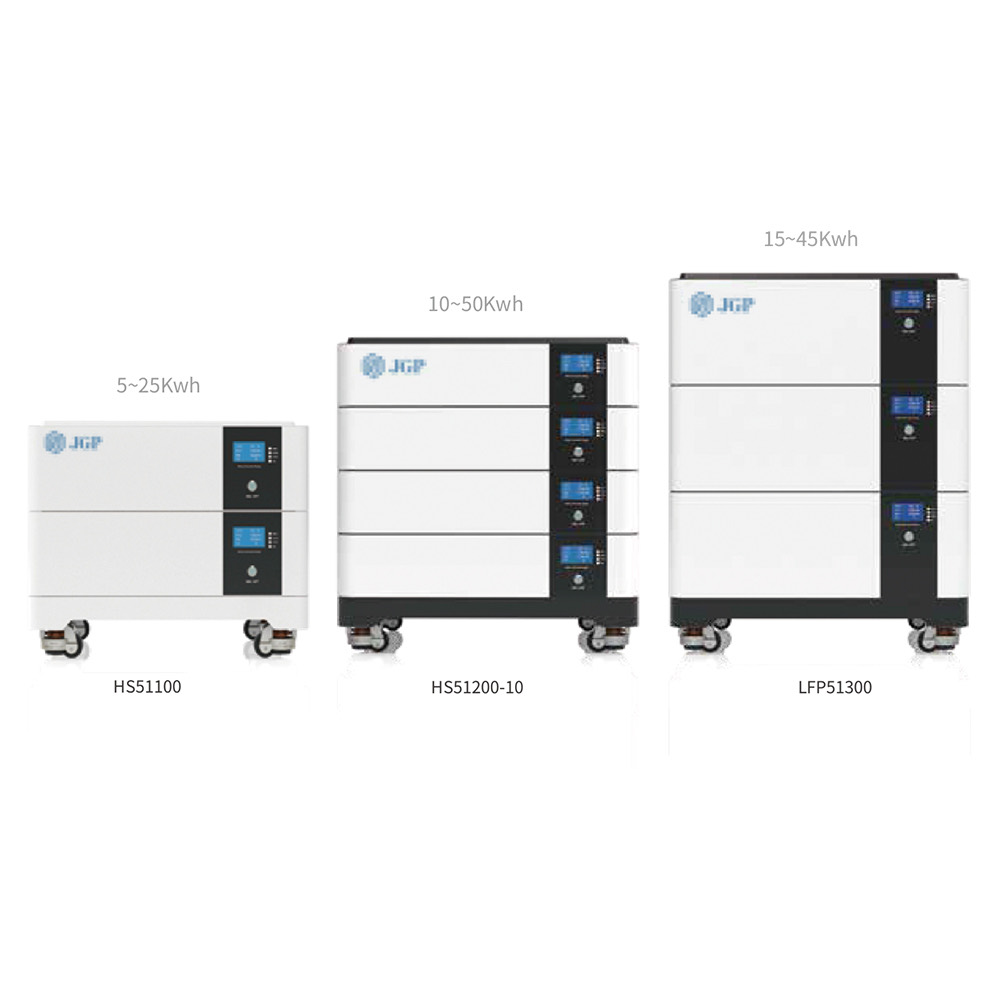 LiFePO4 Energy Storage Battery 5–50 kWh (Stackable & Mobile)LiFePO4 (LFP)
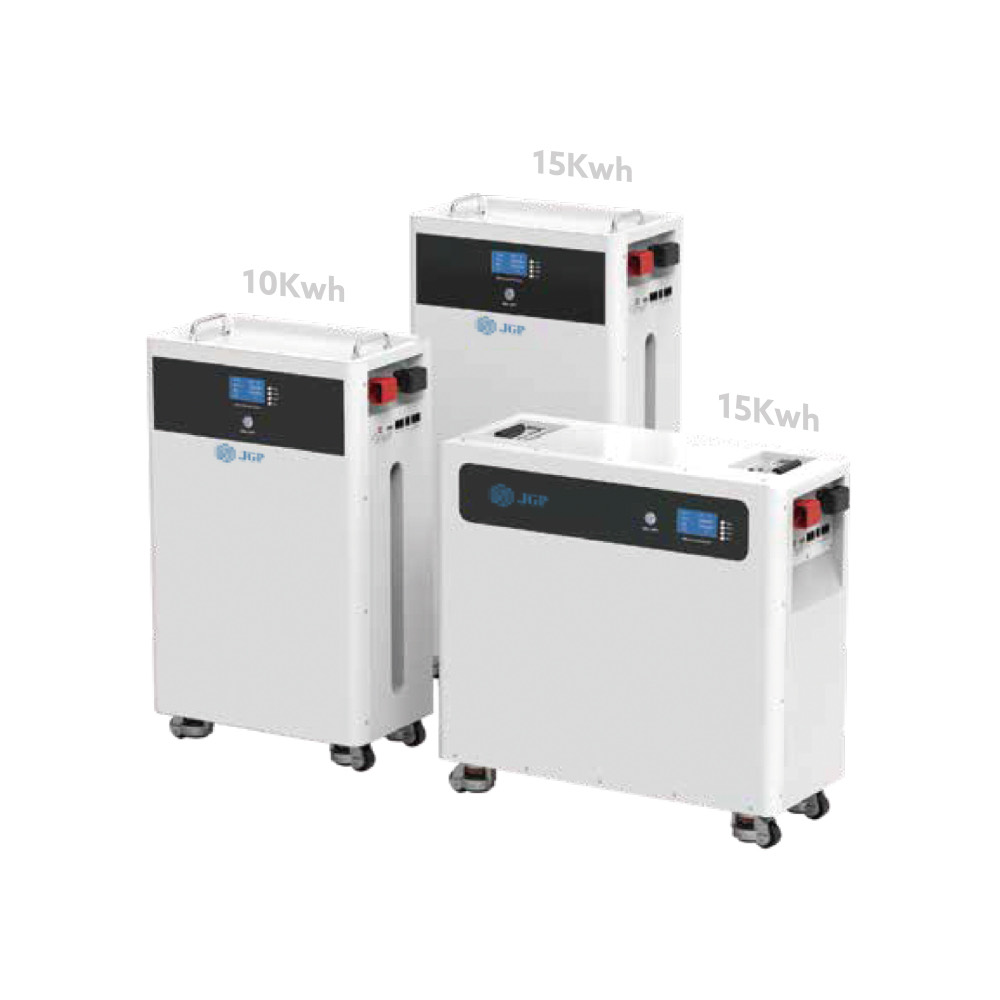 LiFePO4 Energy Storage Battery 10–15 kWh (Mobile)LiFePO4 (LFP)
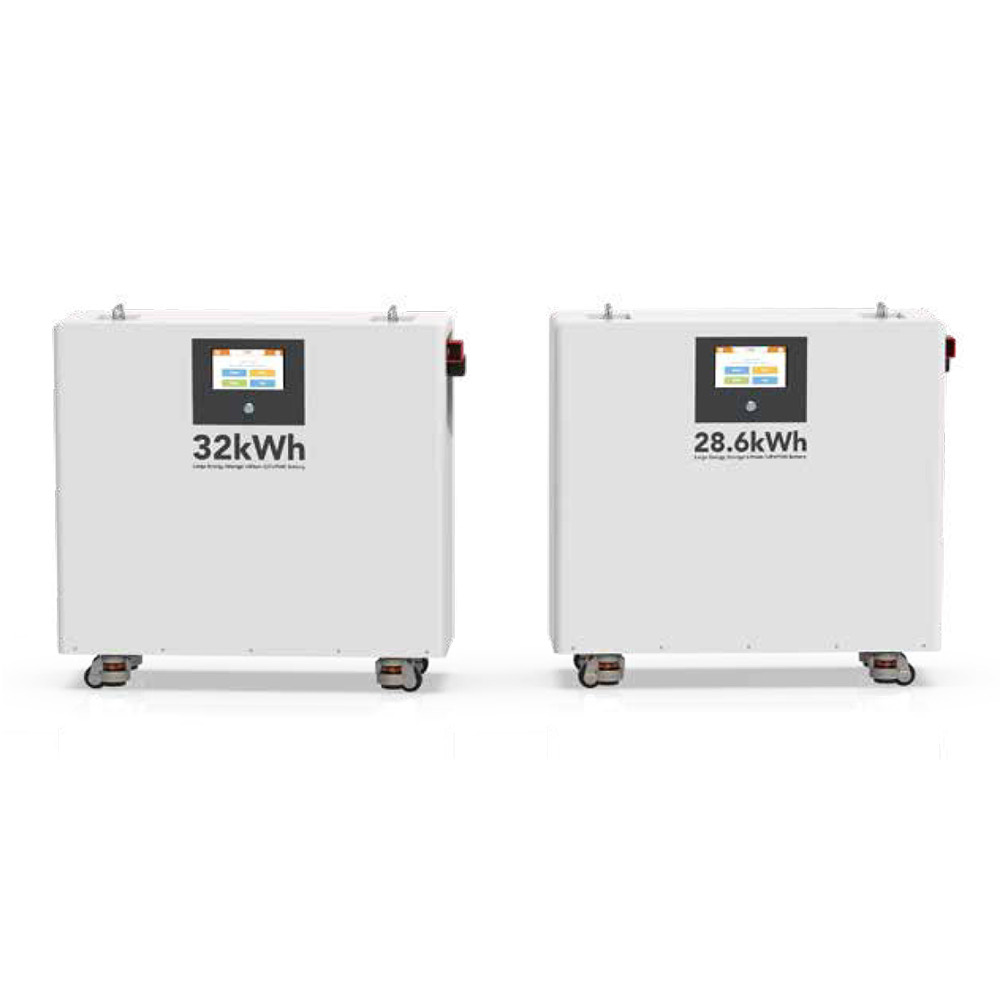 LiFePO4 Energy Storage Battery 28.6–32 kWh (Mobile)LiFePO4 (LFP)
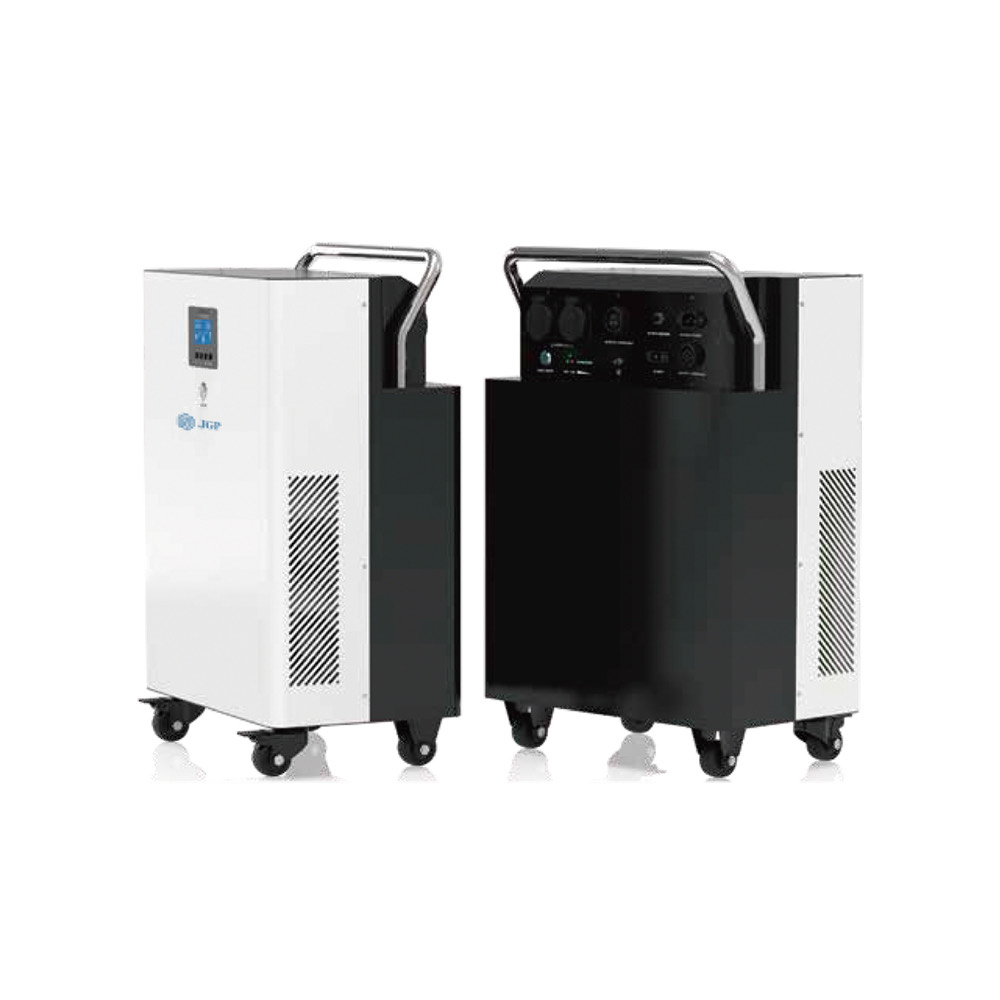 Portable Power Station (5 kWh Battery + 5 kW Inverter)LiFePO4 (LFP)
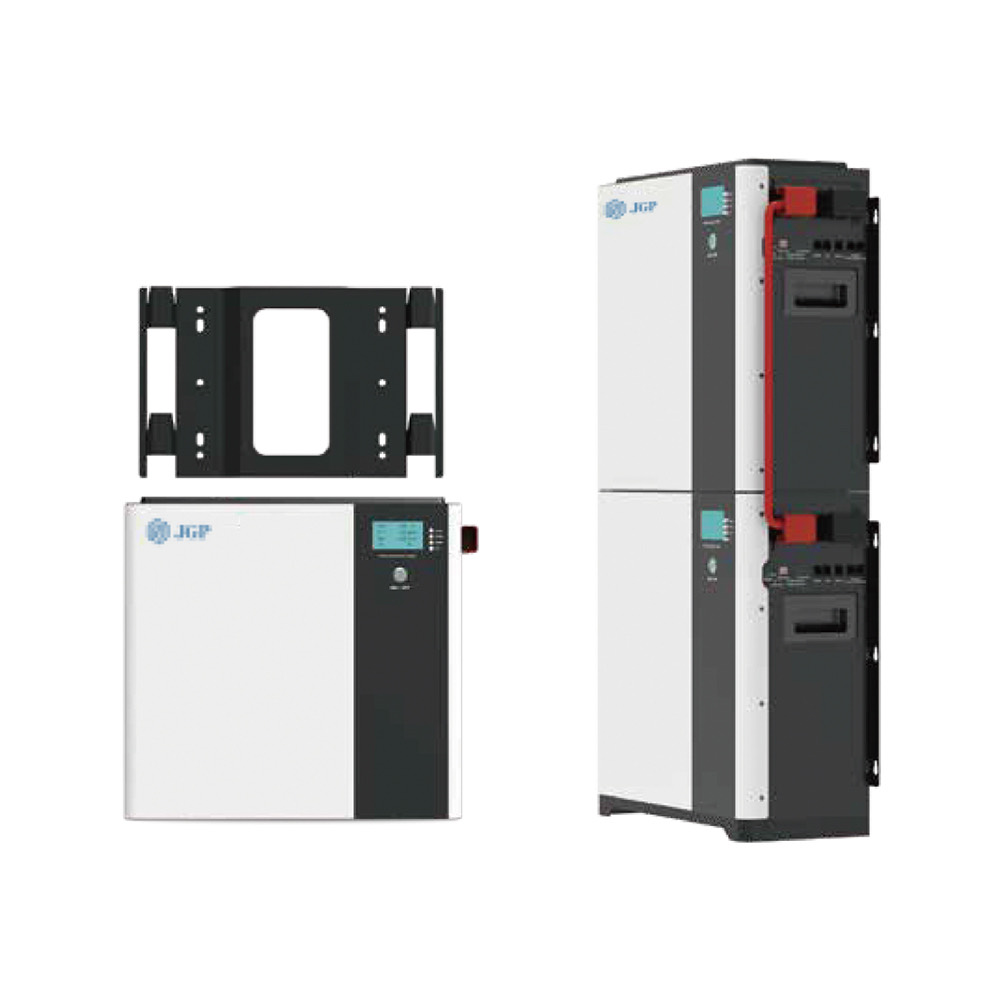 LiFePO4 Energy Storage Battery 2.5–20 kWh (Wall-Mount Stackable)LiFePO4 (LFP)
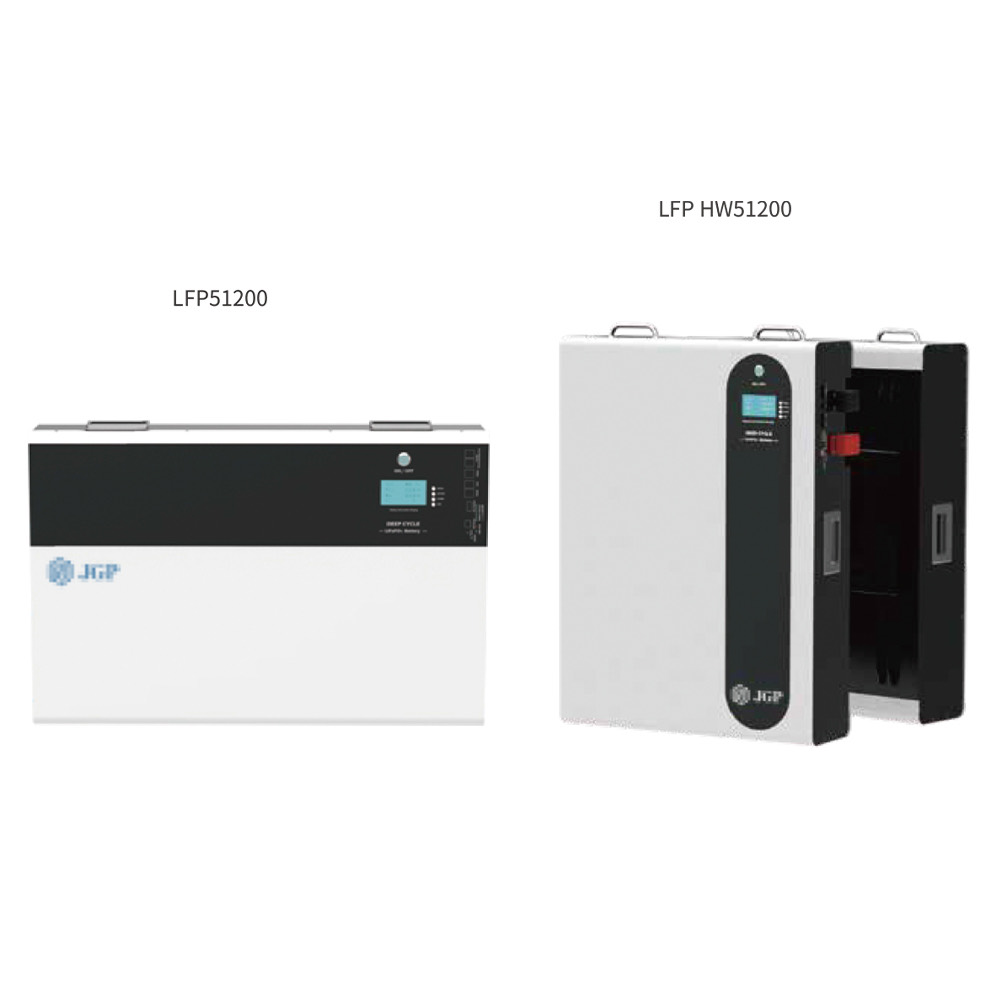 LiFePO4 Energy Storage Battery 10 kWh (Wall-Mount)LiFePO4 (LFP)
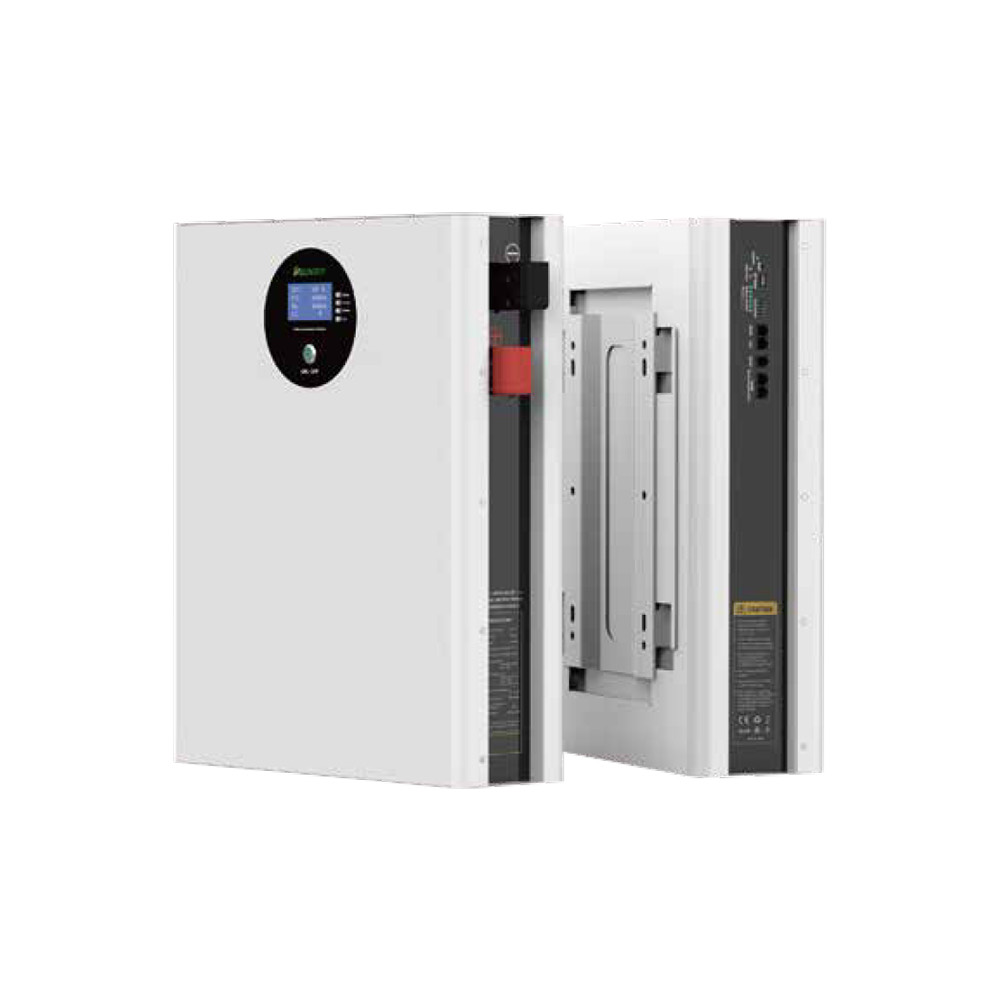 Solid-State Battery 5 kWh (Wall-Mount)LiFePO4 (LFP)
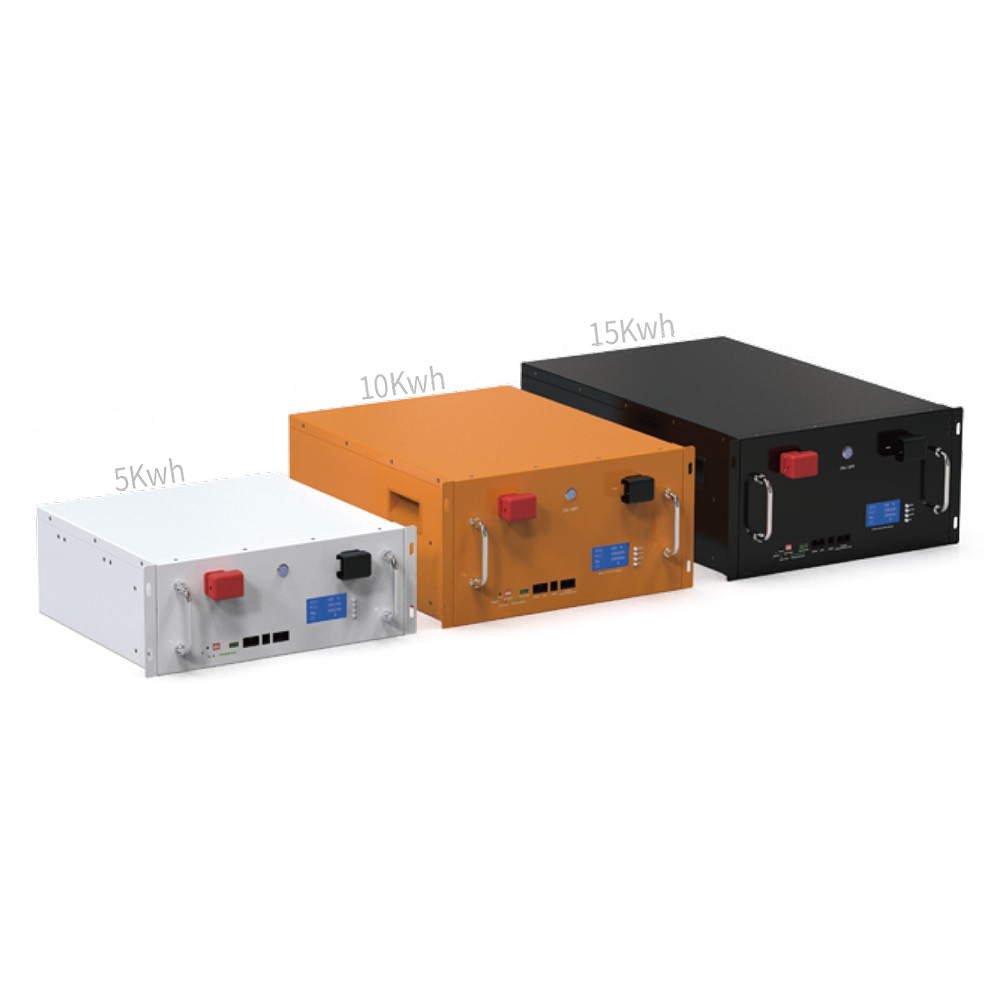 LiFePO4 Energy Storage Battery 5–15 kWh (Rack-Mount)LiFePO4 (LFP)
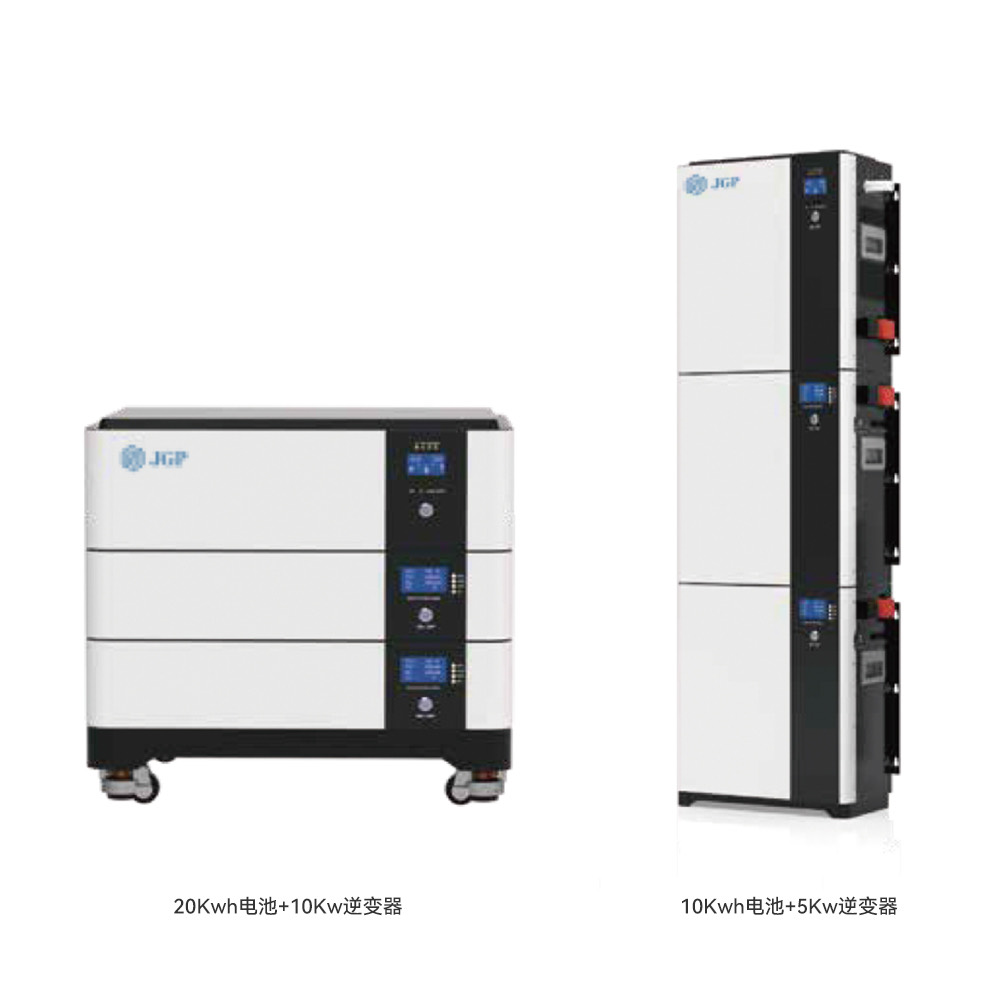 All-in-One Hybrid Energy Storage System (Battery + 5/10 kW Inverter)LiFePO4 (LFP)10Sodium-ion Battery Pack (48V / 51.2V Series)48 V / 51.2 V11Lithium-ion Battery Packs & Cells (18650 / Polymer / Custom)18650 packs / Polymer packs / LiFePO4 packsView all products →