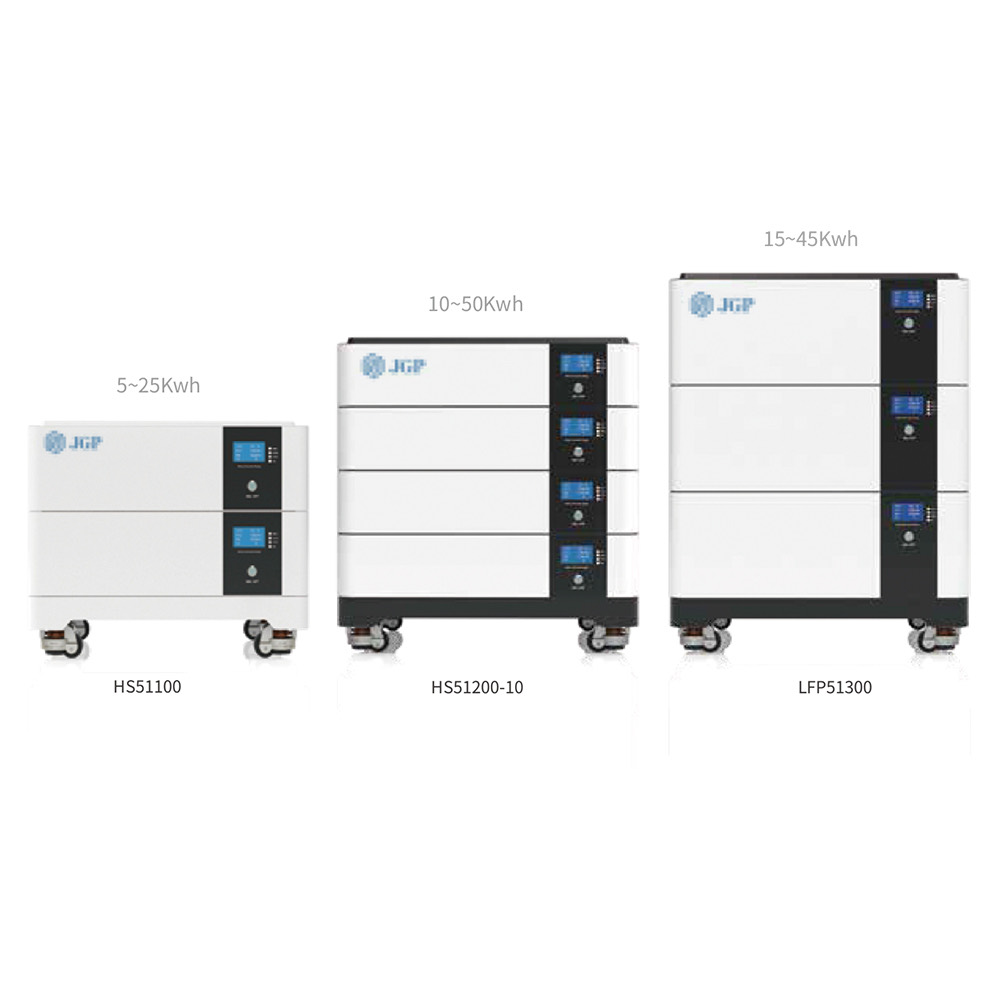
LiFePO4 Energy Storage Battery 5–50 kWh (Stackable & Mobile)LiFePO4 (LFP)
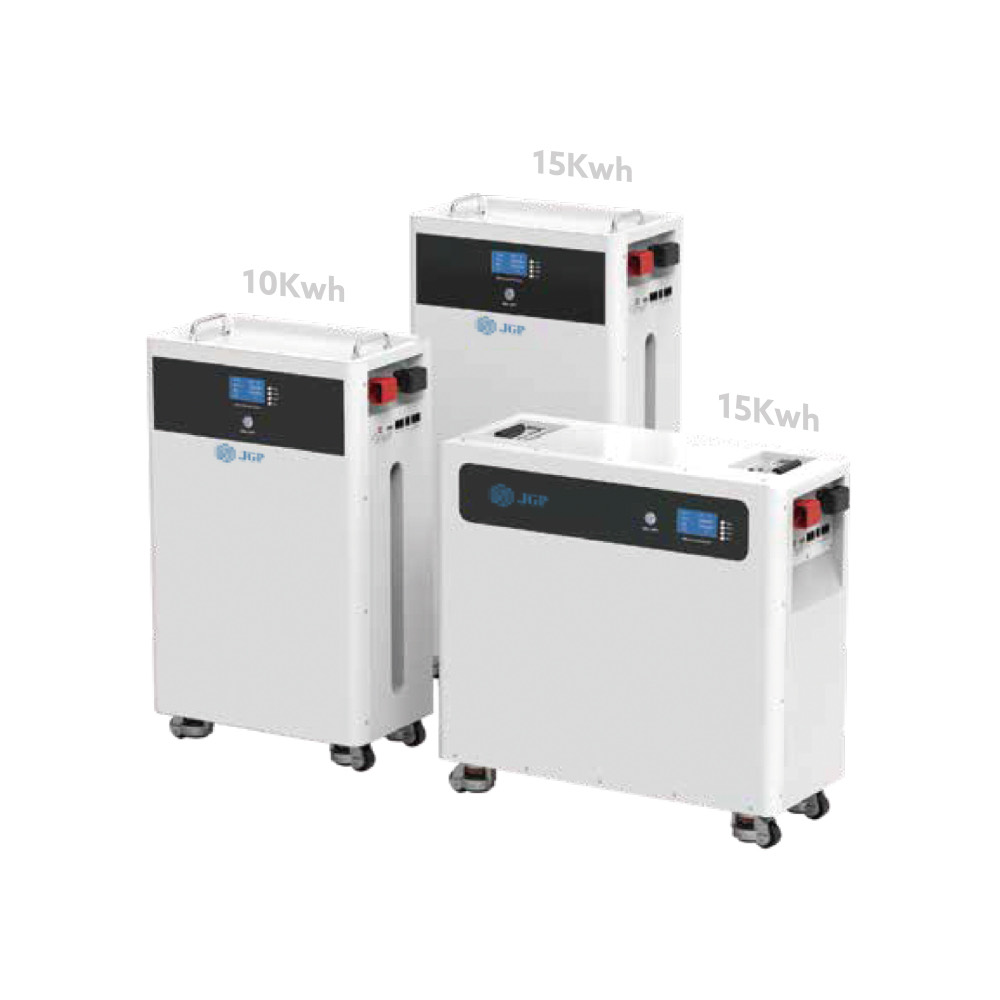
LiFePO4 Energy Storage Battery 10–15 kWh (Mobile)LiFePO4 (LFP)
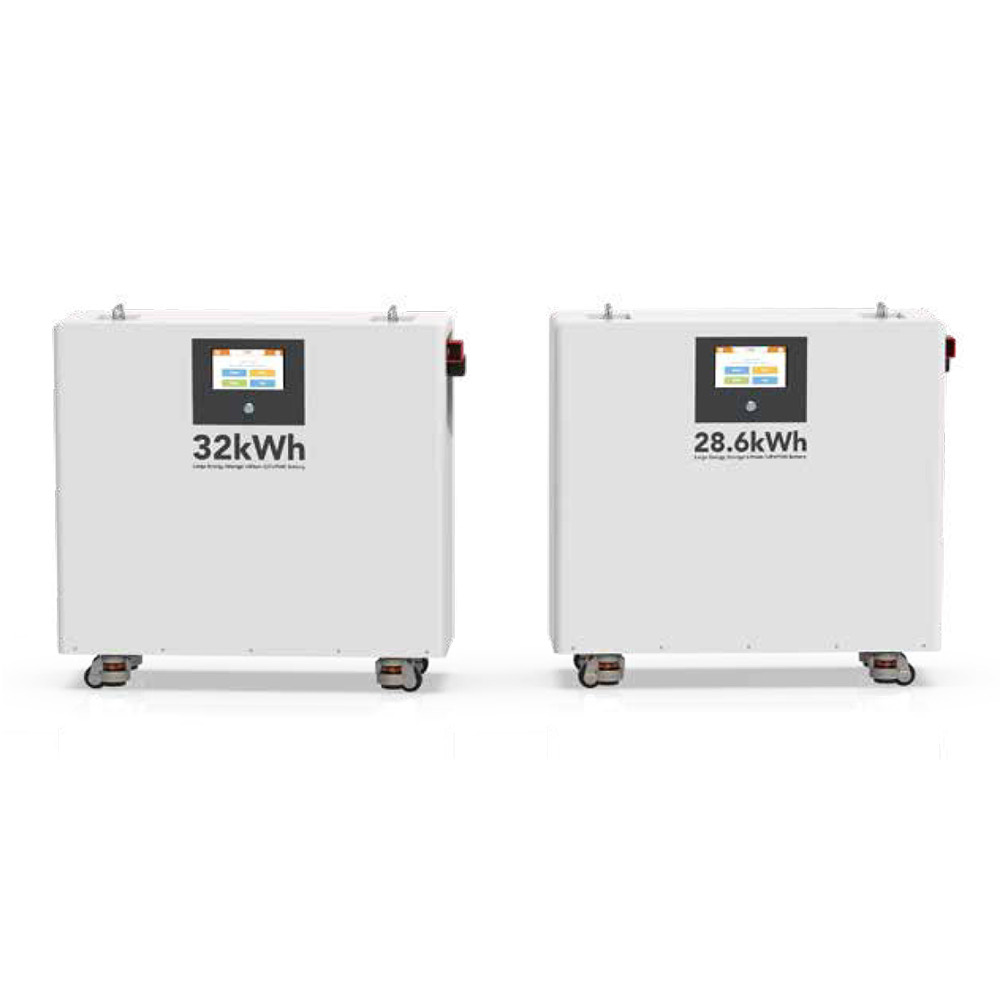
LiFePO4 Energy Storage Battery 28.6–32 kWh (Mobile)LiFePO4 (LFP)
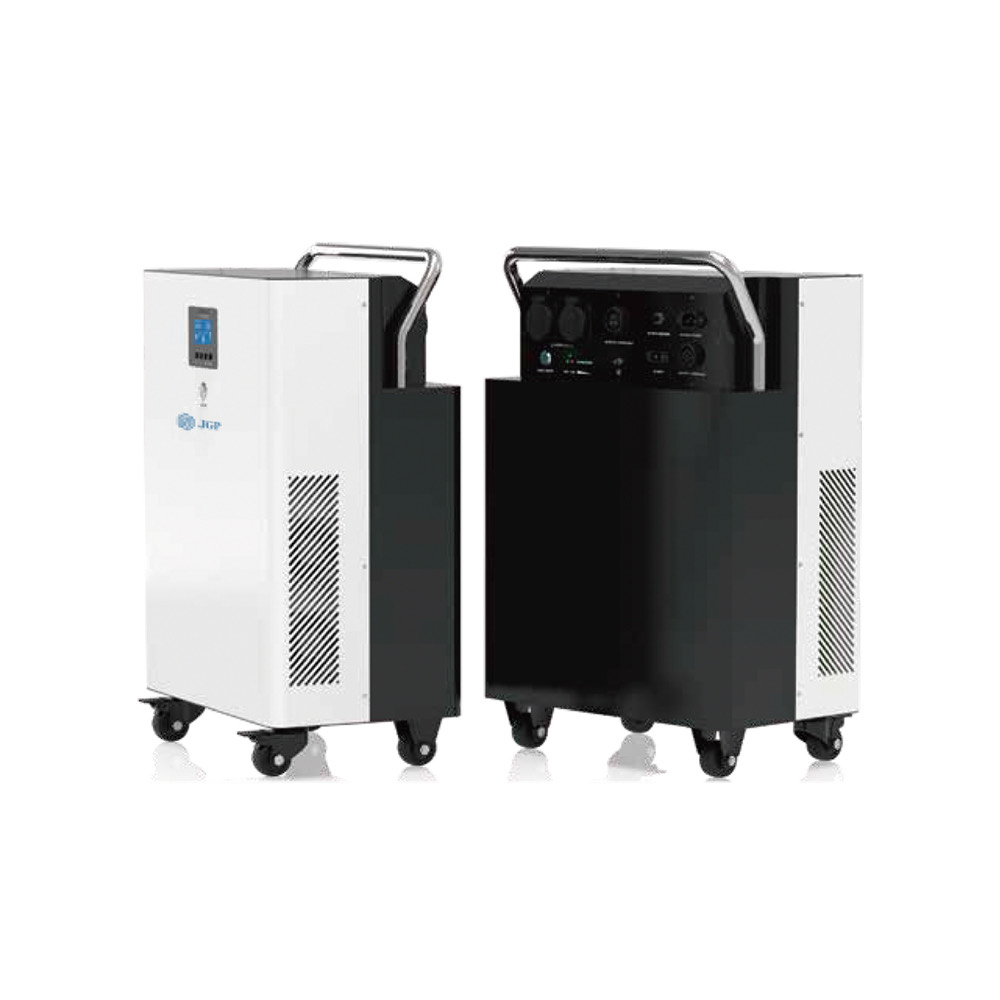
Portable Power Station (5 kWh Battery + 5 kW Inverter)LiFePO4 (LFP)
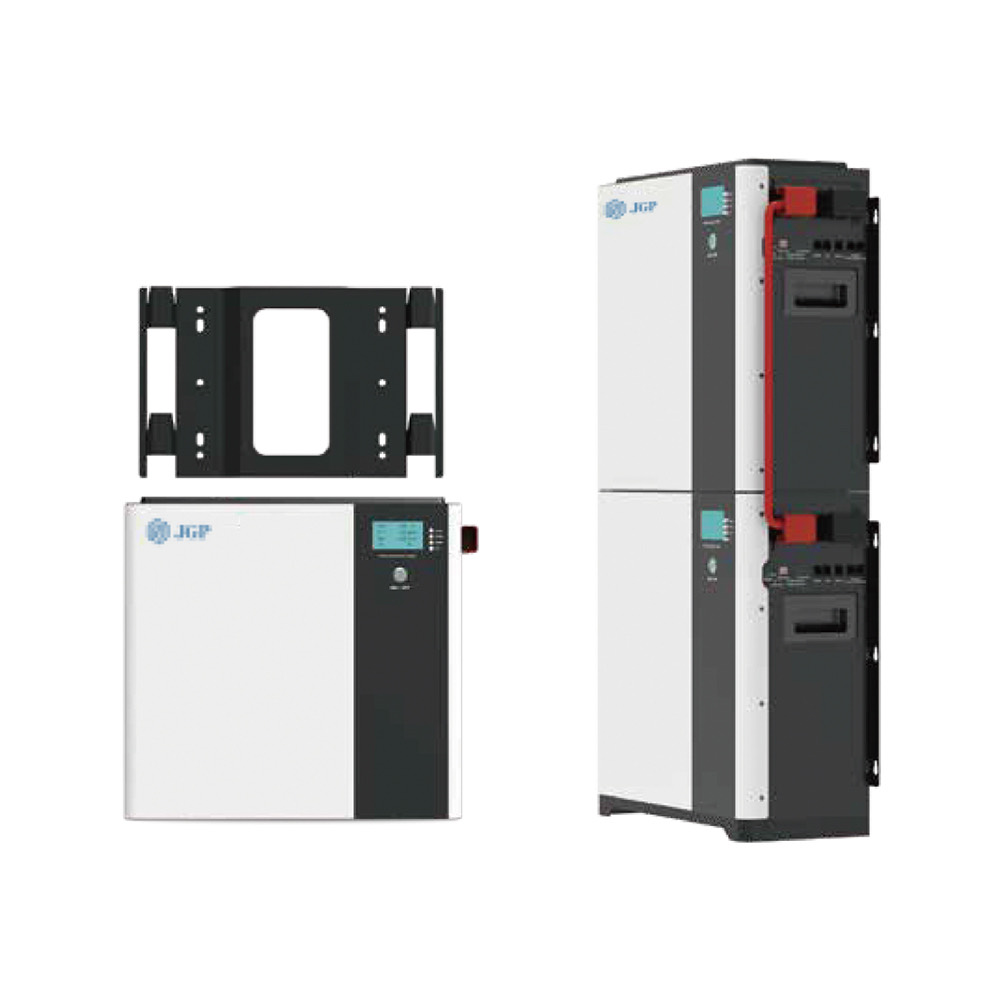
LiFePO4 Energy Storage Battery 2.5–20 kWh (Wall-Mount Stackable)LiFePO4 (LFP)
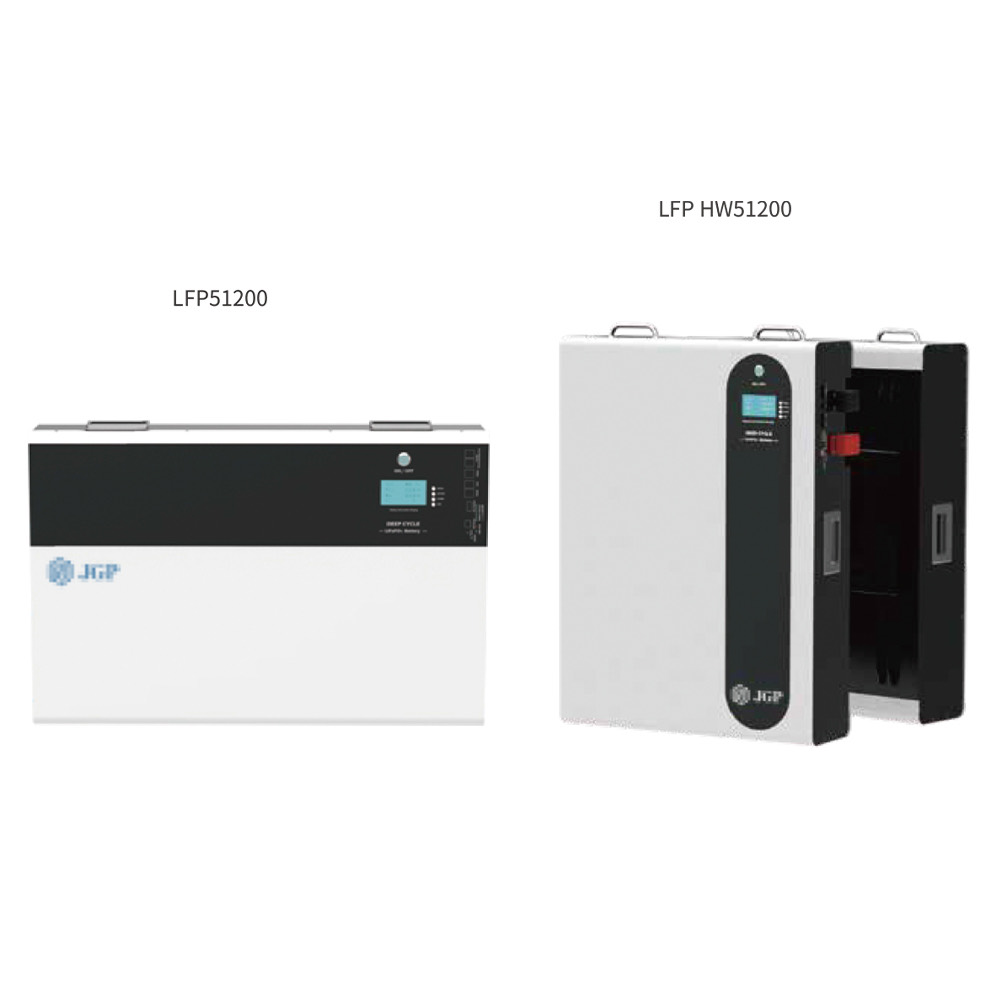
LiFePO4 Energy Storage Battery 10 kWh (Wall-Mount)LiFePO4 (LFP)
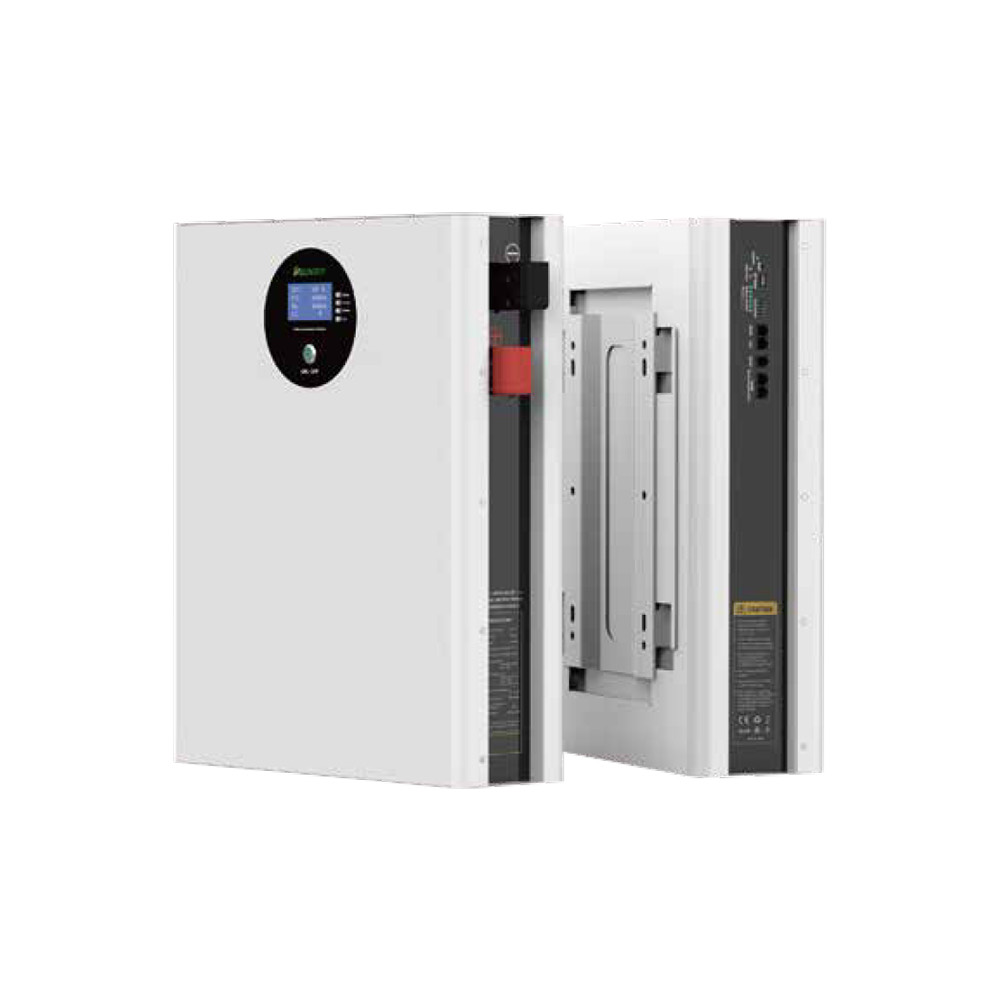
Solid-State Battery 5 kWh (Wall-Mount)LiFePO4 (LFP)
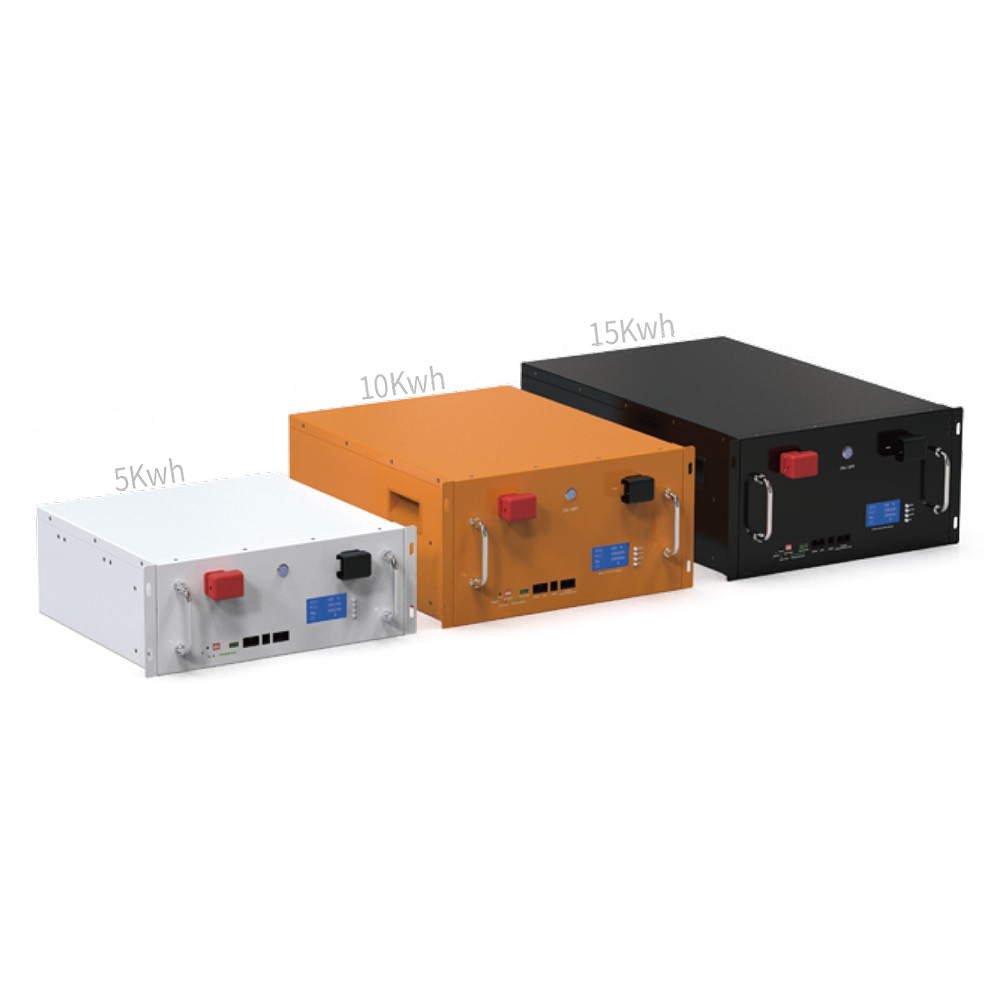
LiFePO4 Energy Storage Battery 5–15 kWh (Rack-Mount)LiFePO4 (LFP)
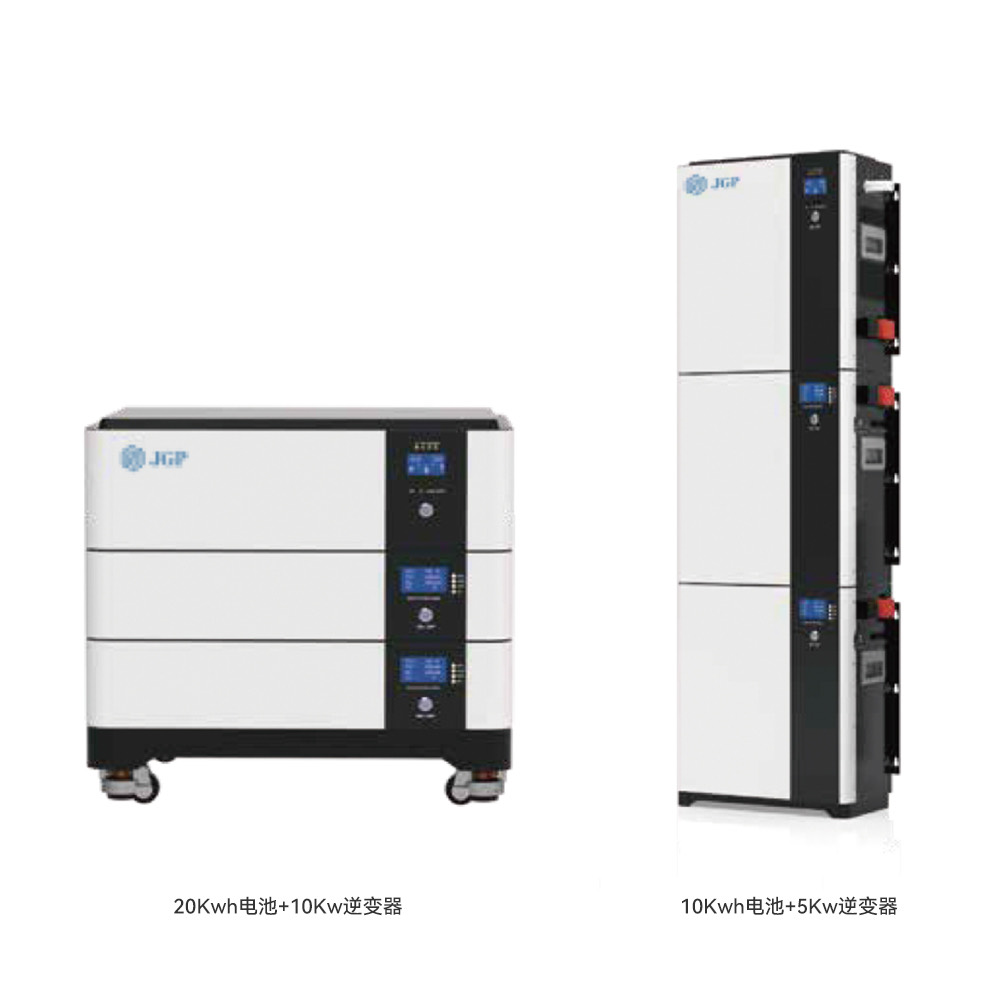
All-in-One Hybrid Energy Storage System (Battery + 5/10 kW Inverter)LiFePO4 (LFP)10Sodium-ion Battery Pack (48V / 51.2V Series)48 V / 51.2 V11Lithium-ion Battery Packs & Cells (18650 / Polymer / Custom)18650 packs / Polymer packs / LiFePO4 packsView all products →Low-cost, safe and cold-tolerant energy storage without lithium or cobalt — what sodium-ion is, how it compares with LiFePO4, and where it fits.
Sodium-ion batteries work like lithium-ion batteries but use sodium as the charge carrier. They need no lithium or cobalt, use low-cost materials, and are well suited to stationary storage, telecom backup, low-speed vehicles and cold-climate sites.
Sodium ions shuttle between cathode and anode
| Sodium-ion | LiFePO4 (LFP) | |
|---|---|---|
| Energy density | Lower — larger and heavier for the same energy | Higher — more compact |
| Low-temperature discharge | Generally stronger retention in the cold | Good, but typically drops more at very low temperature |
| Key materials | Sodium; no lithium or cobalt | Lithium iron phosphate; no cobalt |
| Material cost outlook | Low-cost, abundant raw materials | Mature, scaled supply chain |
| Maturity & ecosystem | Newer; fewer off-the-shelf integrations | Very mature; broad inverter and BMS compatibility |
| Best fit | Cost-sensitive storage, telecom backup, cold sites, low-speed vehicles | Home and C&I storage, space-limited installations |
Reliable standby energy for base stations and outdoor cabinets, including cold climates.
Cost-sensitive residential and commercial storage where footprint is not critical.
Two- and three-wheelers and low-speed vehicles that value cost and cold-weather range.
Voltage, capacity, enclosure and BMS logic tailored to your product.
A sodium-ion battery stores energy by moving sodium ions between a cathode and an anode, the same working principle as lithium-ion but with sodium instead of lithium. Sodium is abundant and widely distributed, and the chemistry does not need lithium or cobalt.
Choose LiFePO4 when you need the highest energy density in the smallest, lightest package. Consider sodium-ion when cost sensitivity, low-temperature discharge, transport safety margin or supply-chain independence from lithium matter more than weight and volume. The right answer depends on your application, so send us your duty cycle and we will recommend a configuration.
Sodium-ion cells generally retain more of their discharge capability at low temperature than many lithium chemistries, which is why they are attractive for telecom backup, outdoor cabinets and cold-climate storage. Exact performance depends on the cell and pack design — ask us for the test data of the model you are considering.
Not as a drop-in in every case. Nominal voltage, voltage window and charge profile differ between chemistries, so the BMS, charger or inverter settings usually need to be matched. Our 48 V / 51.2 V series packs are designed with in-house BMS tuning to simplify system integration.
Yes. Voltage, capacity, enclosure, connectors and BMS logic can be customised. Tell us your requirement and target market and our engineers will come back with a proposal within one working day.
Tell us your application, capacity and site conditions — our engineers will propose a tailored battery solution within 1 working day.