A battery can be classified by chemistry (lead-acid, alkaline, NiCd, NiMH, lithium-ion and so on) or by the discharge current it is designed to deliver. A conventional battery can typically discharge at up to 3C; a power battery is generally designed for 5C, and ultra-high-rate power cells can exceed 20C. Lithium-ion therefore exists in both ordinary and power variants, and power batteries themselves may be lead-acid, NiMH or lithium-ion.
From a design standpoint, power lithium-ion batteries must prioritise reliability and consistency, because they work in harsh conditions — winter cold, summer heat, rain and snow — and are used in large series-parallel packs. If a vehicle uses 1,000 cells, a manufacturer may want a failure probability below one in a hundred million. To achieve that, power cells are designed with more redundancy and use thicker separators, foils and enclosures, which is why their energy density is roughly half that of consumer cells. Consumer lithium-ion batteries, by contrast, are rarely used in matched packs and so face fewer consistency requirements, but the tight space inside phones and tablets demands strict dimensional control and high capacity and energy density. Power batteries carry more external protection circuitry and thermal layout yet face harsher conditions; consumer batteries carry less protection and rely on cell materials and design to survive safety-critical situations. High-end consumer cells use the most advanced technology and materials, whereas power batteries depend more on process control, consistency control and quality management.
Compared with capacity-type cells, power cells differ in three practical ways: capacity is generally lower (consumer electronics are smaller still), cycle life is generally higher, and the pack includes a dedicated protection temperature for thermal control.
The voltage and application differ as well. Higher voltage allows a pack to drive high-power equipment, while parallel connection raises total pack current and therefore capacity — which is what defines a capacity-type pack. Large equipment needs the higher voltage that small packs simply cannot deliver; an e-bike, for example, typically needs 48V and therefore a power-type pack, whereas signage and standby power in shops draw little power and are served by capacity-type packs. Internal resistance also differs: power cells have lower resistance. Taking the 18650 format as an example, a good 3C-discharge cell typically has PDC protection with internal resistance around 40 mΩ, while a 5C-discharge cell generally carries no PDC and sits around 20 mΩ.

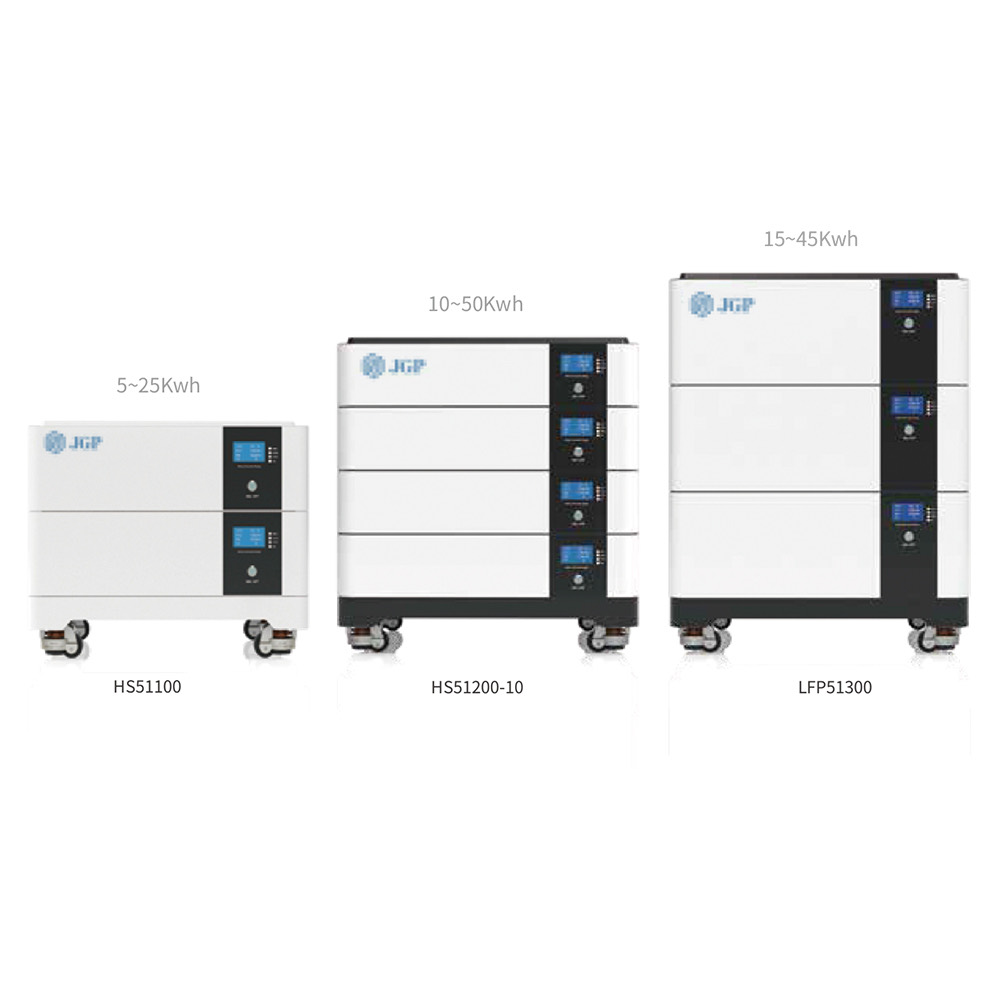 LiFePO4 Energy Storage Battery 5–50 kWh (Stackable & Mobile)LiFePO4 (LFP)
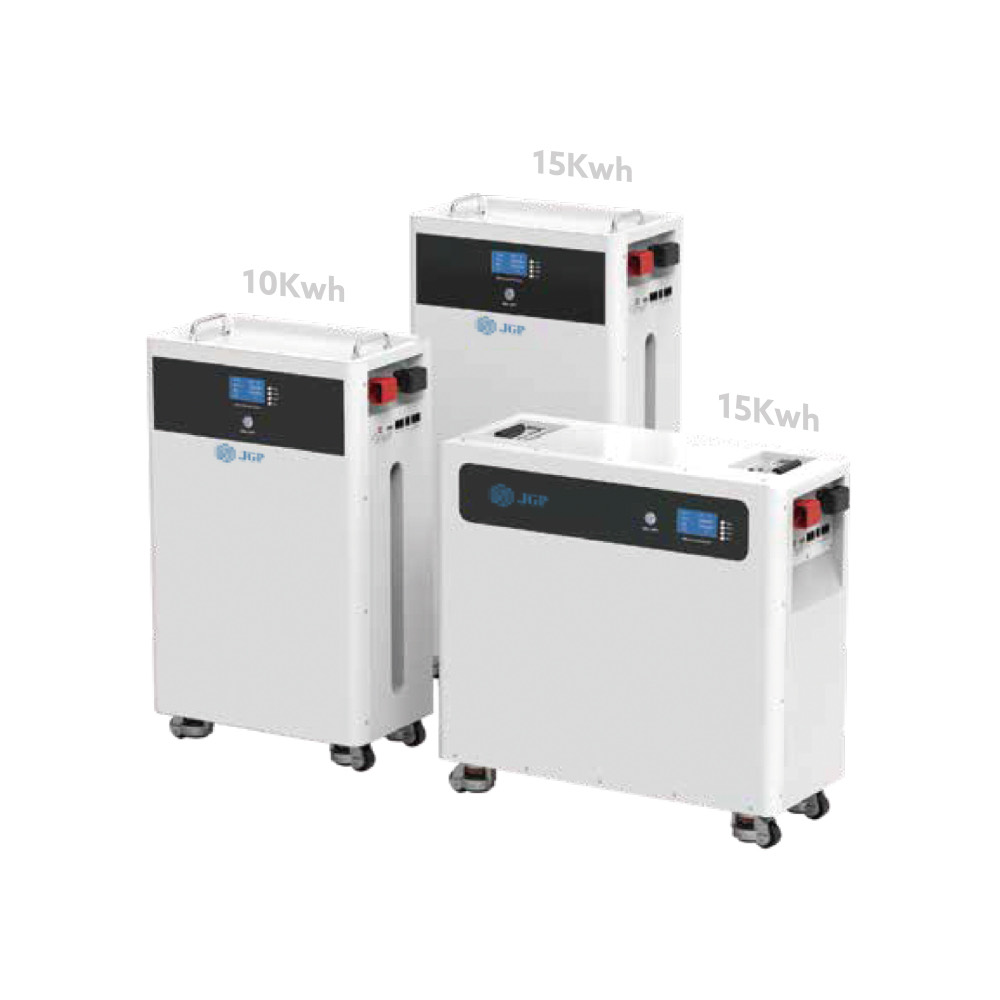 LiFePO4 Energy Storage Battery 10–15 kWh (Mobile)LiFePO4 (LFP)
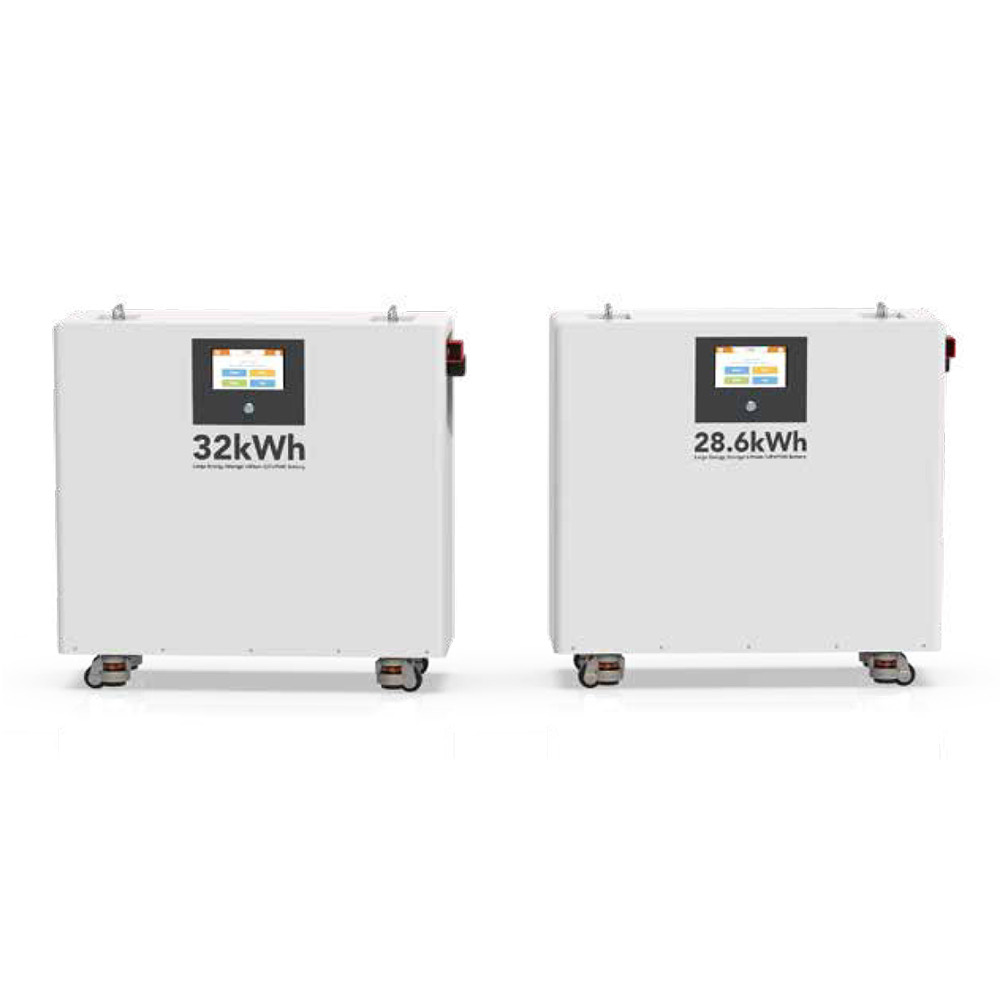 LiFePO4 Energy Storage Battery 28.6–32 kWh (Mobile)LiFePO4 (LFP)
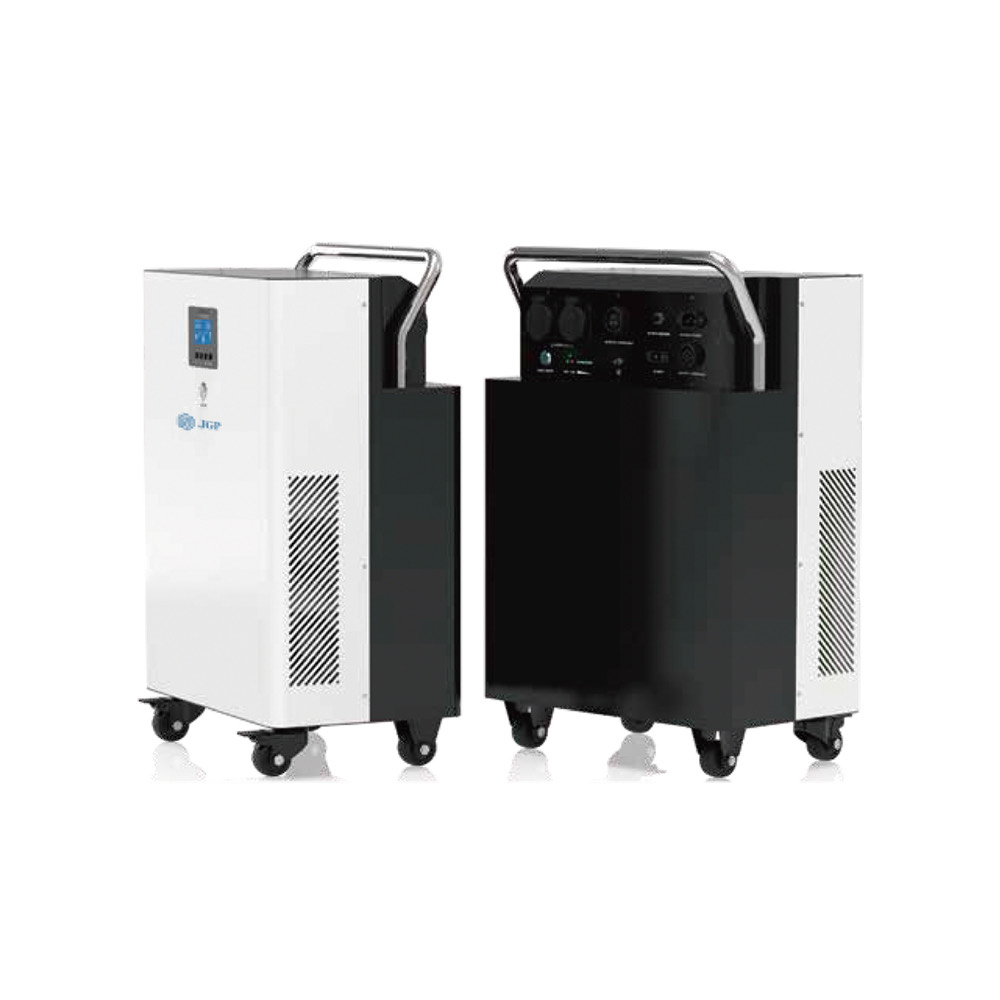 Portable Power Station (5 kWh Battery + 5 kW Inverter)LiFePO4 (LFP)
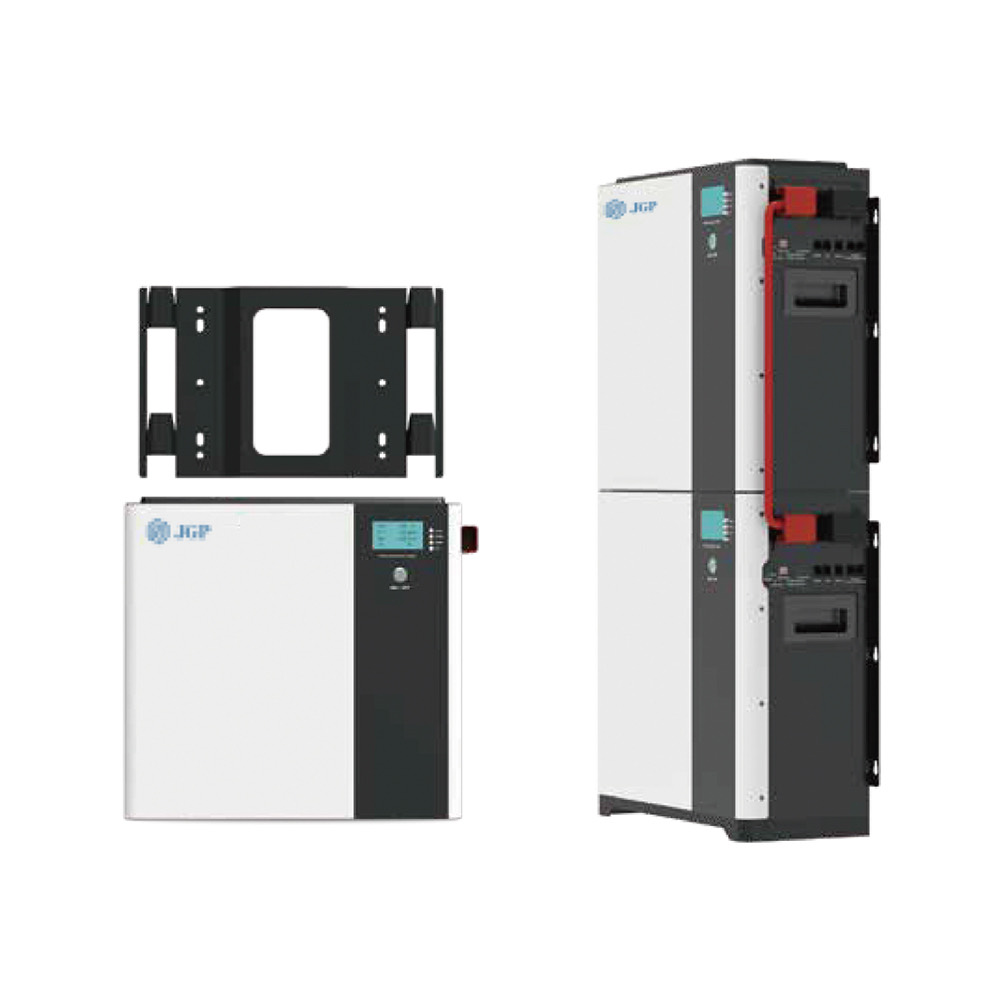 LiFePO4 Energy Storage Battery 2.5–20 kWh (Wall-Mount Stackable)LiFePO4 (LFP)
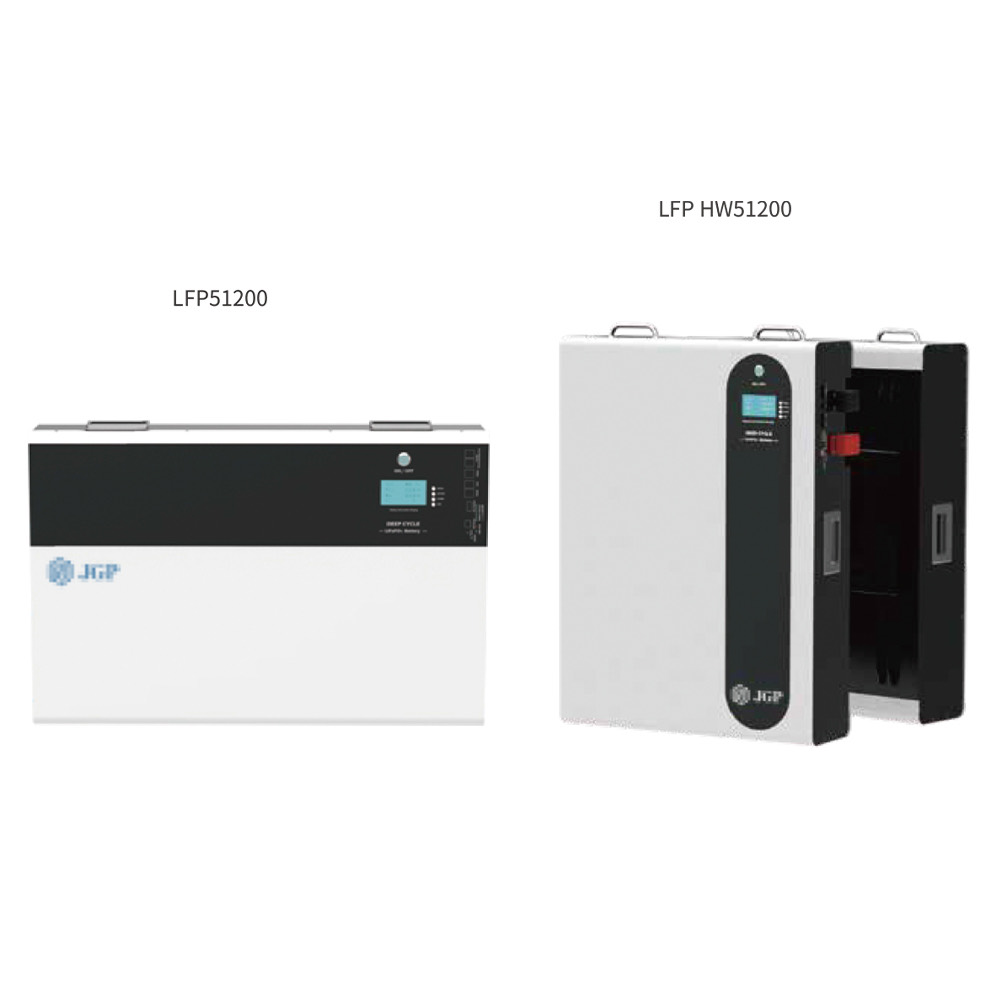 LiFePO4 Energy Storage Battery 10 kWh (Wall-Mount)LiFePO4 (LFP)
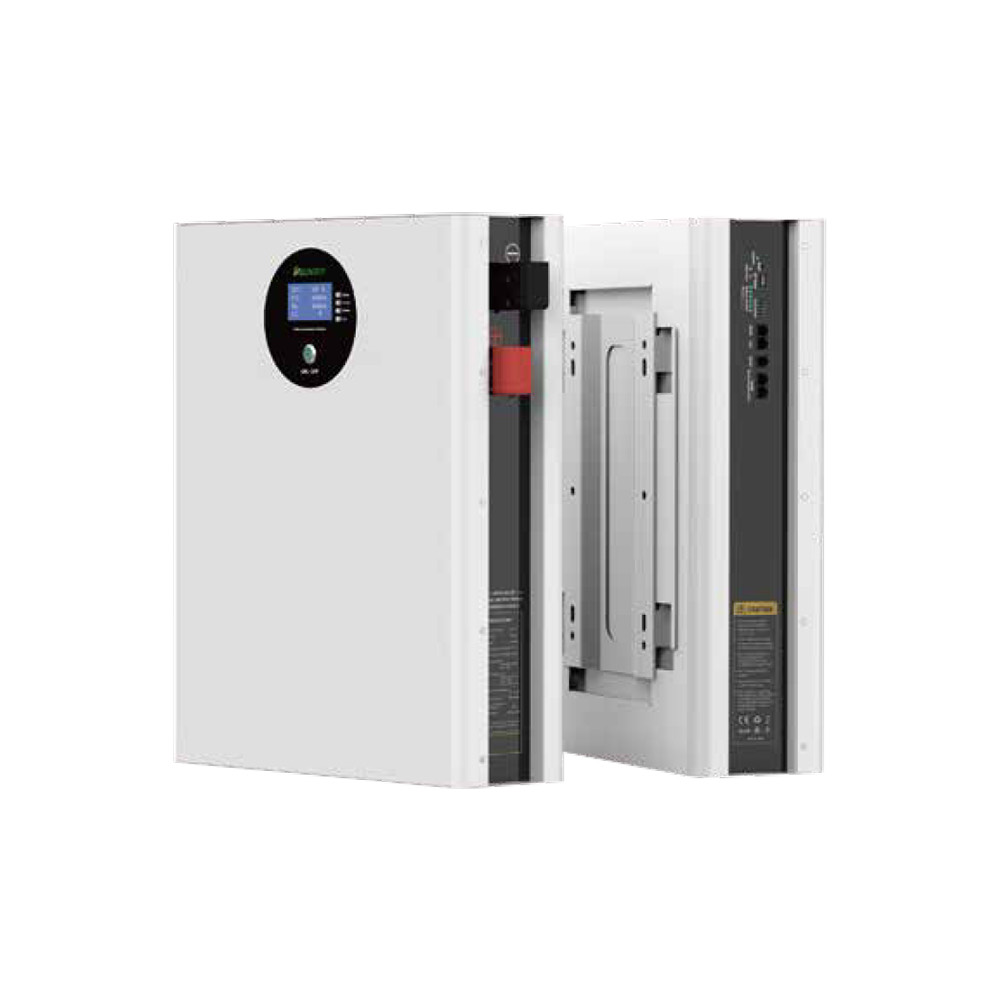 Solid-State Battery 5 kWh (Wall-Mount)LiFePO4 (LFP)
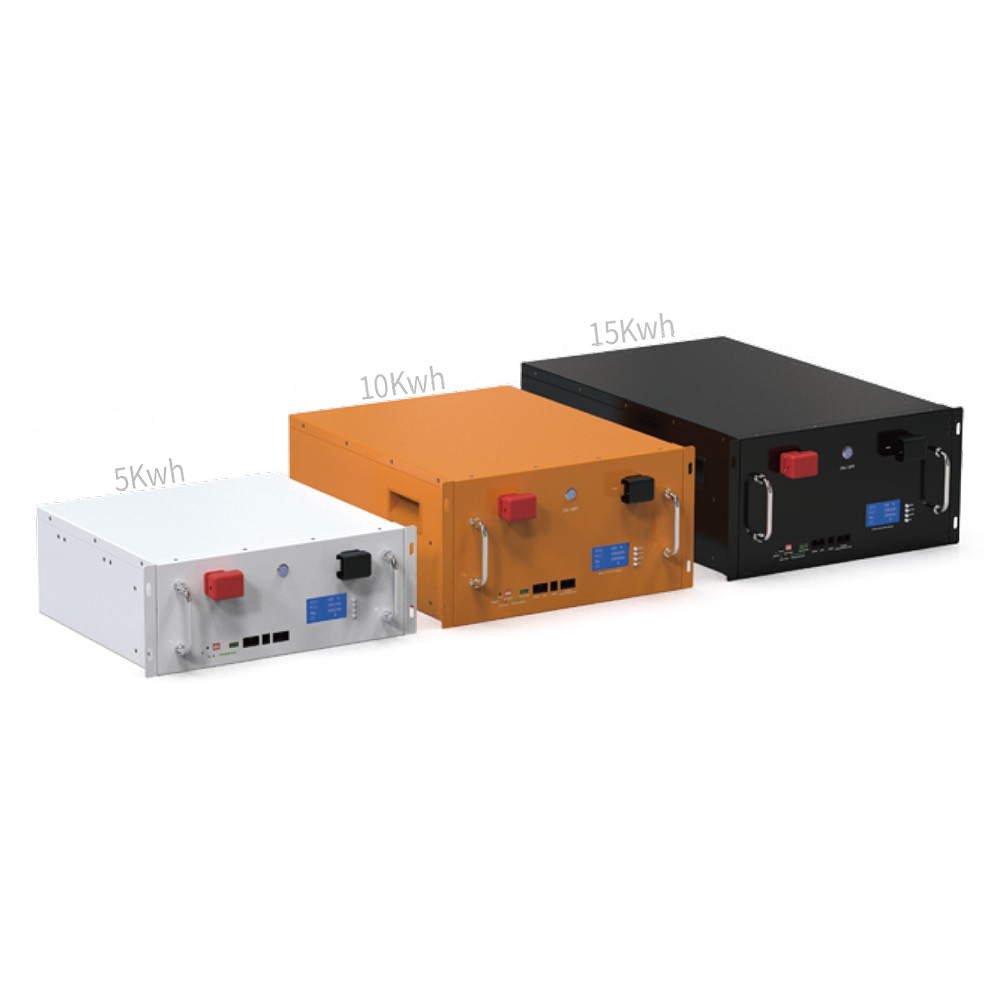 LiFePO4 Energy Storage Battery 5–15 kWh (Rack-Mount)LiFePO4 (LFP)
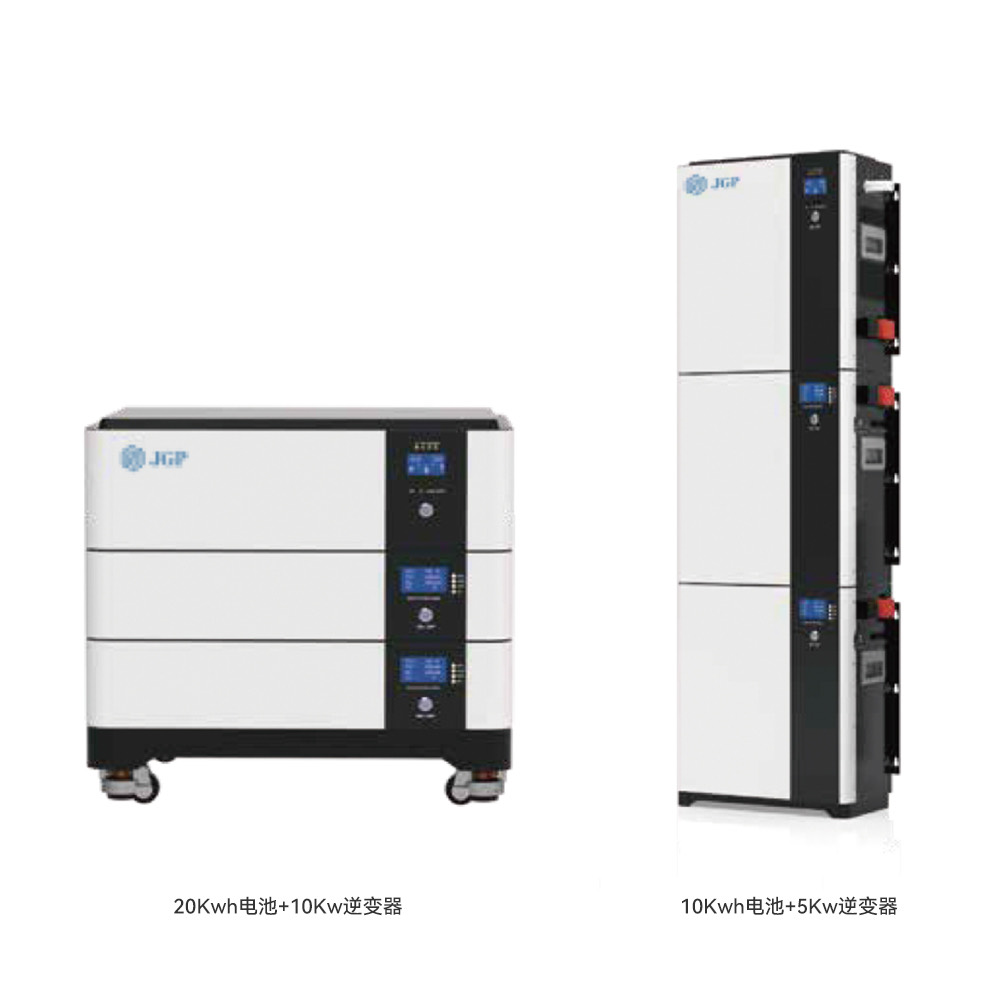 All-in-One Hybrid Energy Storage System (Battery + 5/10 kW Inverter)LiFePO4 (LFP)10Sodium-ion Battery Pack (48V / 51.2V Series)48 V / 51.2 V11Lithium-ion Battery Packs & Cells (18650 / Polymer / Custom)18650 packs / Polymer packs / LiFePO4 packsView all products →