First, global installed capacity returns to double-digit growth, with record installations in the fourth quarter of 2019 — the first year since 2011 in which all six world regions grow, with Europe, the Middle East, North America, South America and Central America, Africa and Asia-Pacific all expanding. Second, European demand recovers to 2012 levels, with about 18 GW installed, helped by growing opportunities for private power purchase agreements. Third, repowering and upgrading ageing plants becomes increasingly important: by early 2019, more than 40 GW of European solar systems will be over six years old, and since technology costs have fallen sharply, upgrading them to raise output is becoming common practice.
Fourth, Chinese policy continues to shape the global market and drive the domestic market towards grid parity. China produced an estimated 65% of the world's modules and accounted for 41% of installations in 2018, so it clearly determines supply-demand balance — a trend even more pronounced in 2019 as the industry awaited new subsidy rules. Fifth, more than 500 MWh of energy storage will be paired with utility-scale solar in North America, as the combination of intermittent renewables with storage begins to deliver scalable, dispatchable clean energy. Sixth, inverter suppliers continue to diversify as revenue stagnates under price pressure and intense competition.
Seventh, competition in 400 W modules heats up as their market share grows; average module prices have fallen by more than 80% over the past decade while cell and module efficiency has improved by around 25%. Eighth, grid digitalisation remains a defining trend: IHS Markit forecasts that by 2019 an average of 30,000 new solar inverters will be delivered every day — 11 million over the year — all connected to smart platforms.

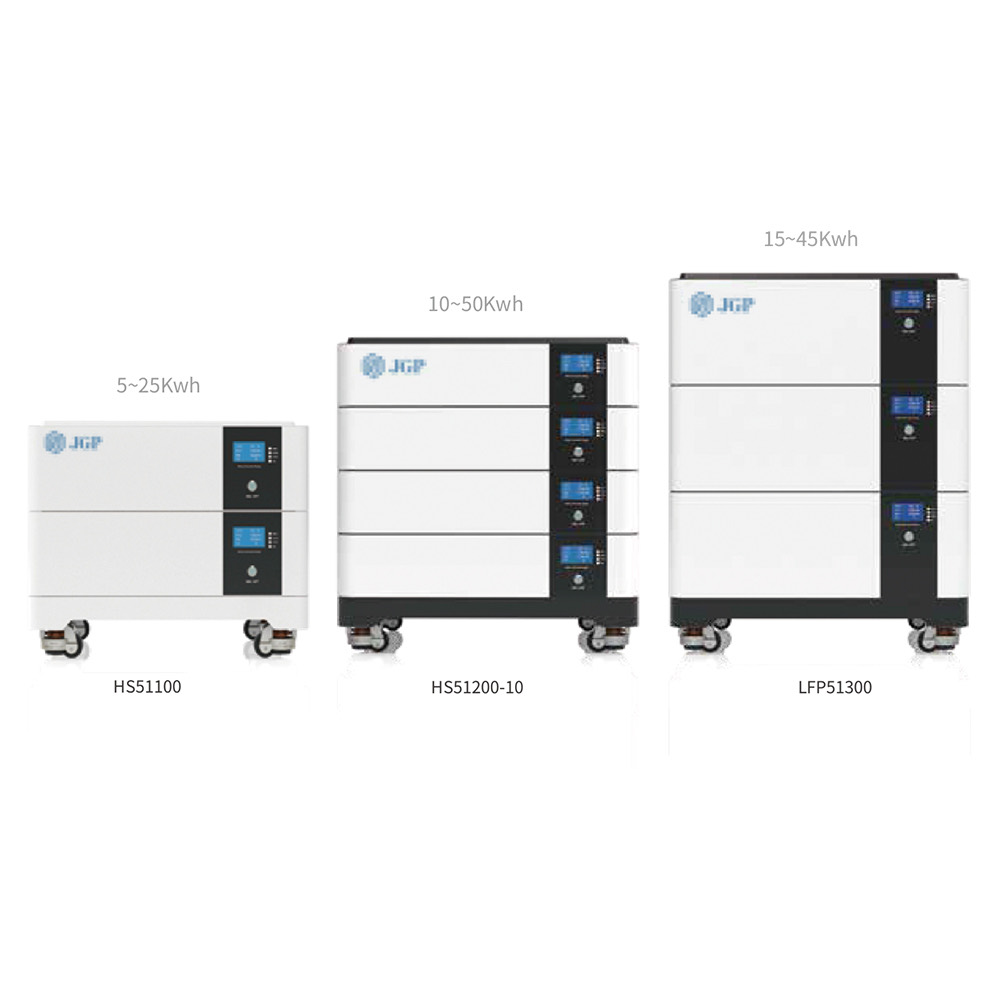 LiFePO4 Energy Storage Battery 5–50 kWh (Stackable & Mobile)LiFePO4 (LFP)
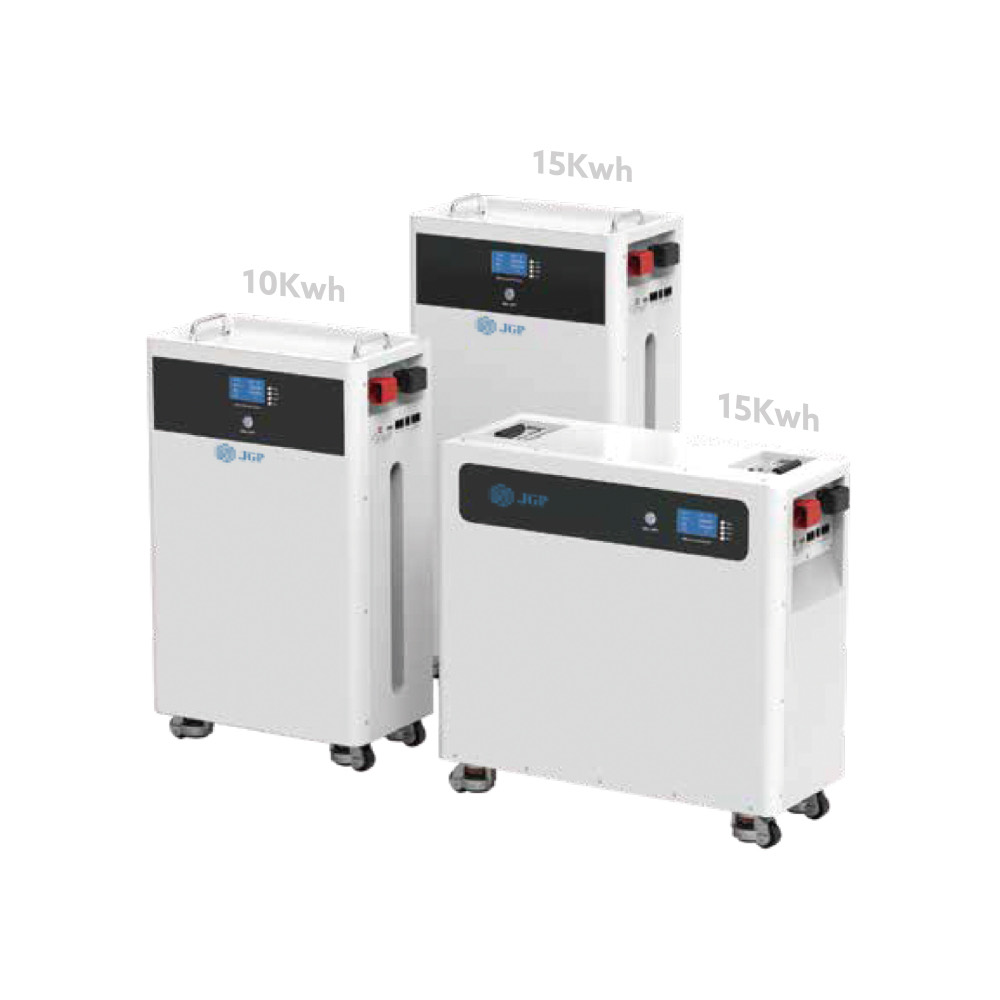 LiFePO4 Energy Storage Battery 10–15 kWh (Mobile)LiFePO4 (LFP)
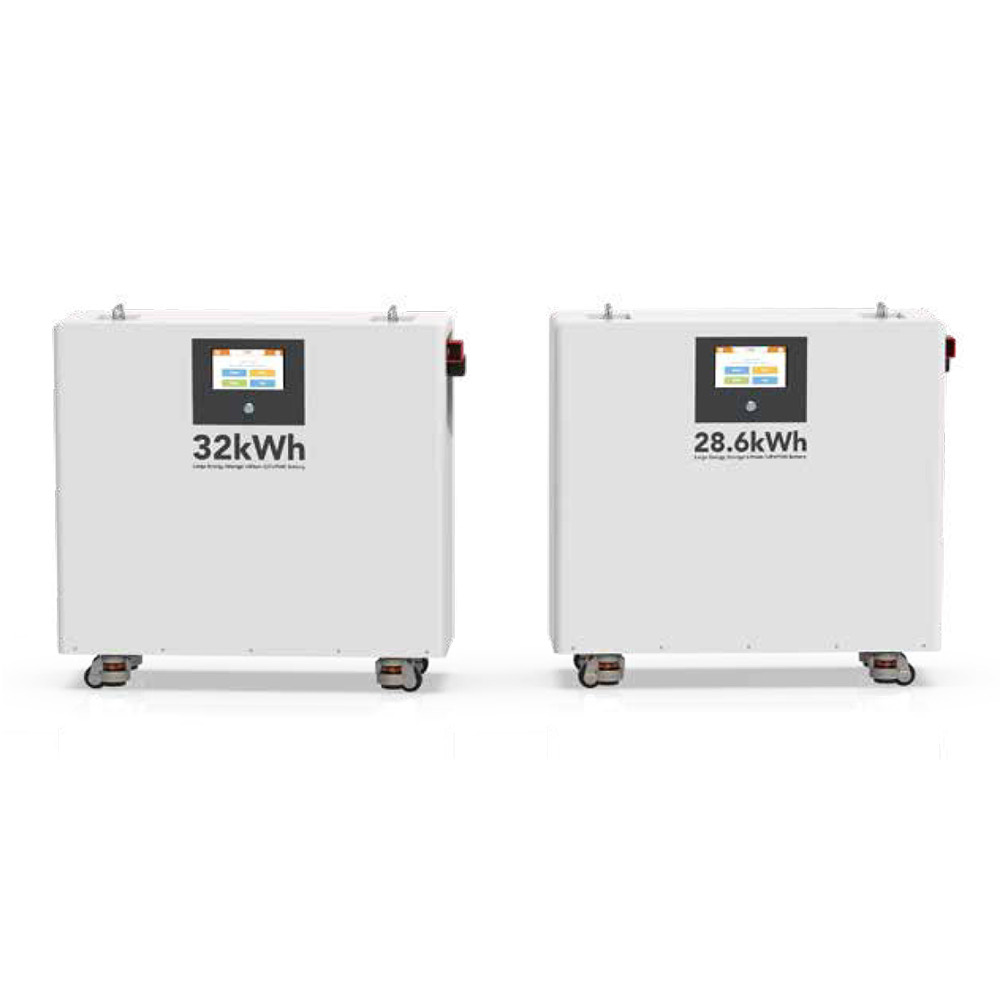 LiFePO4 Energy Storage Battery 28.6–32 kWh (Mobile)LiFePO4 (LFP)
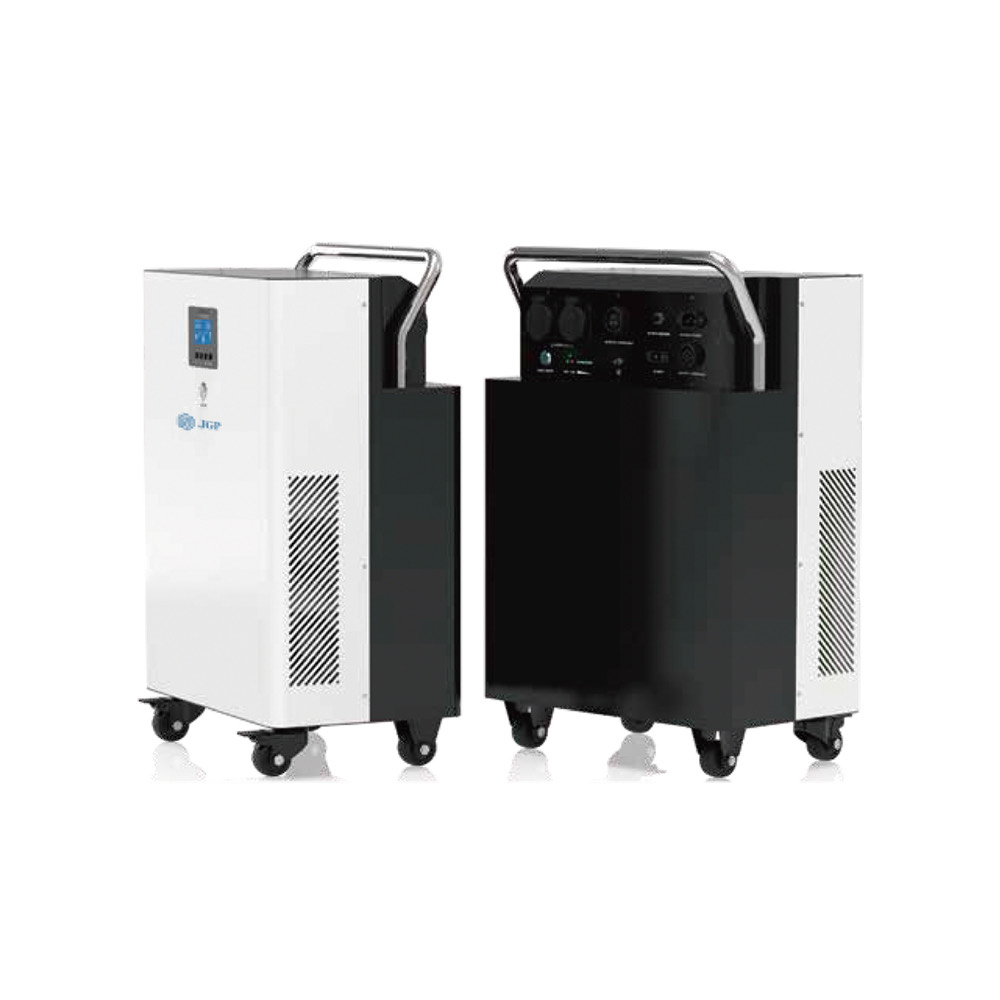 Portable Power Station (5 kWh Battery + 5 kW Inverter)LiFePO4 (LFP)
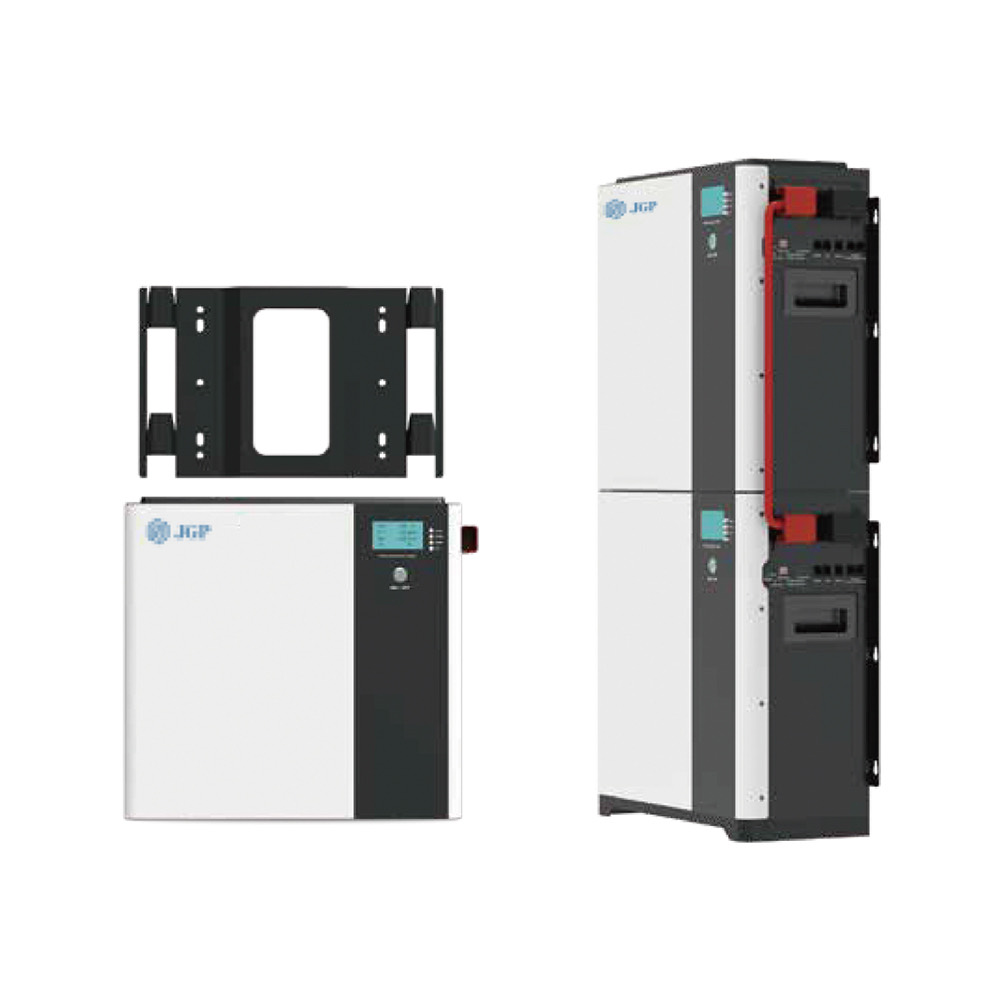 LiFePO4 Energy Storage Battery 2.5–20 kWh (Wall-Mount Stackable)LiFePO4 (LFP)
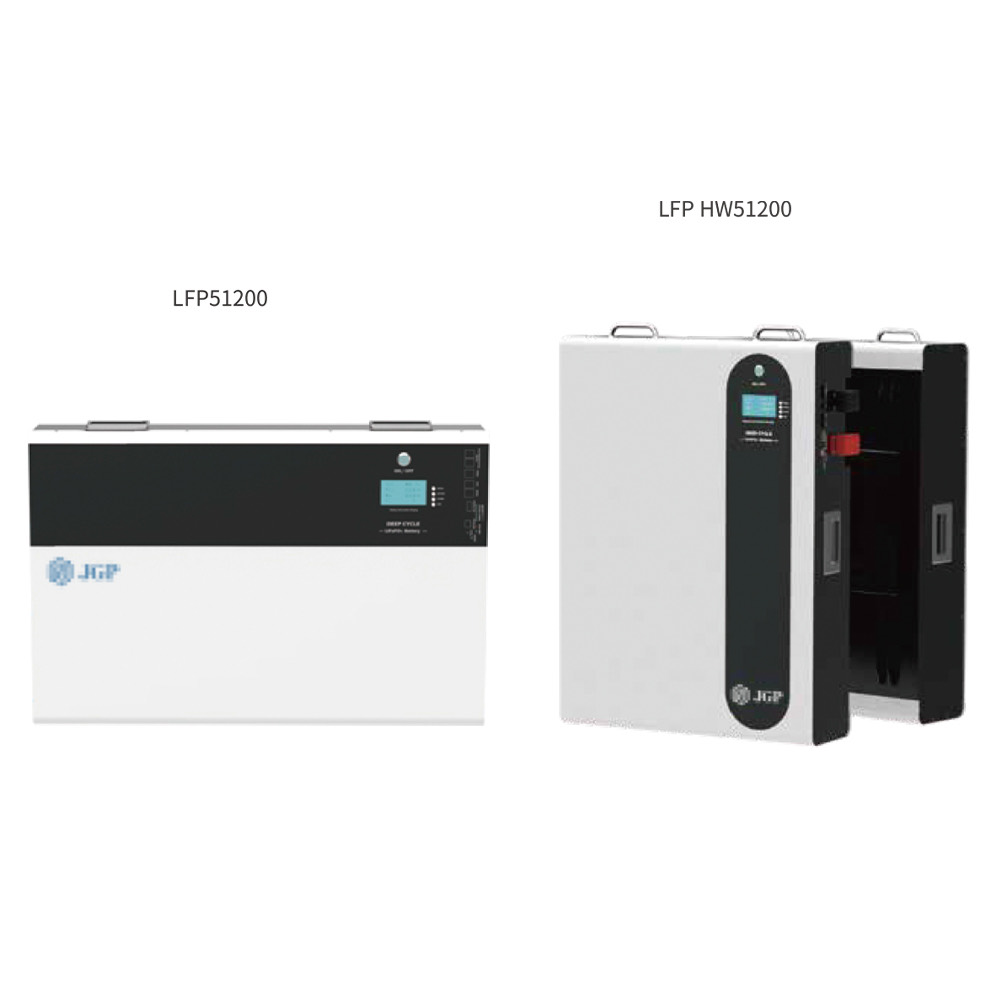 LiFePO4 Energy Storage Battery 10 kWh (Wall-Mount)LiFePO4 (LFP)
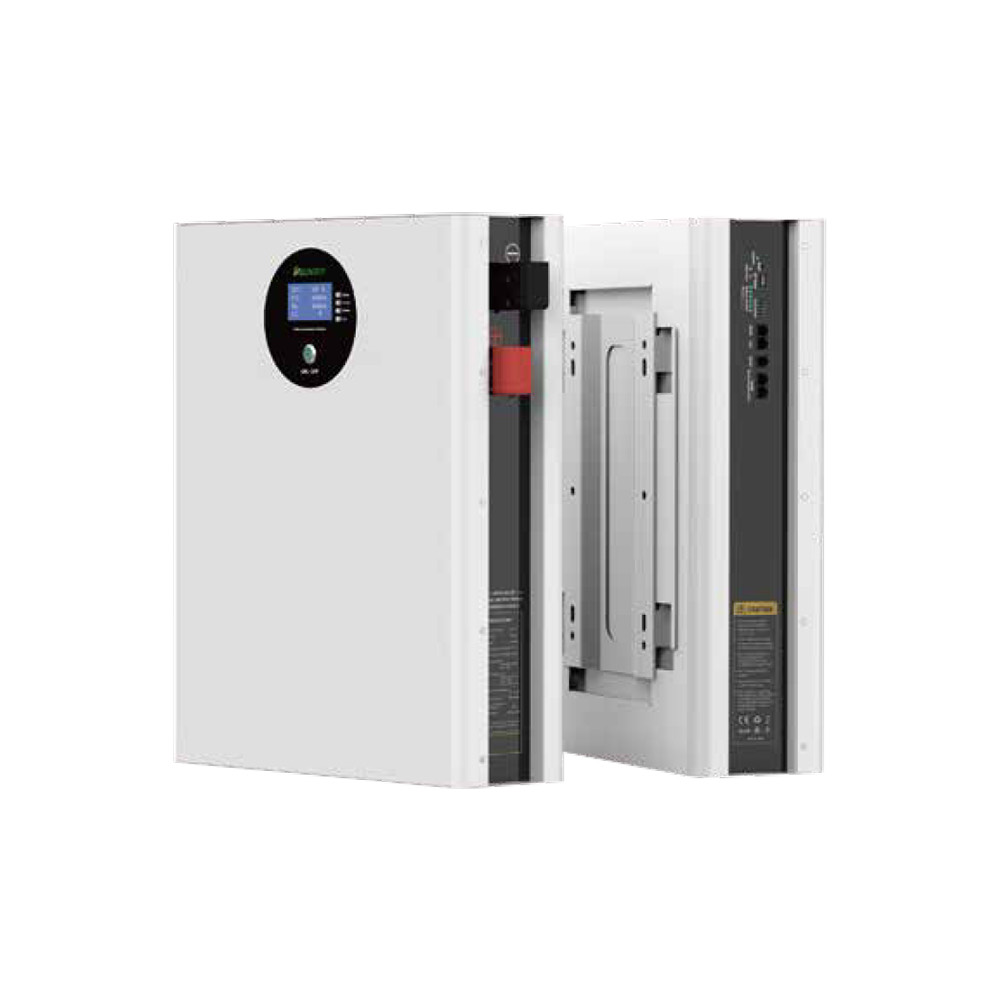 Solid-State Battery 5 kWh (Wall-Mount)LiFePO4 (LFP)
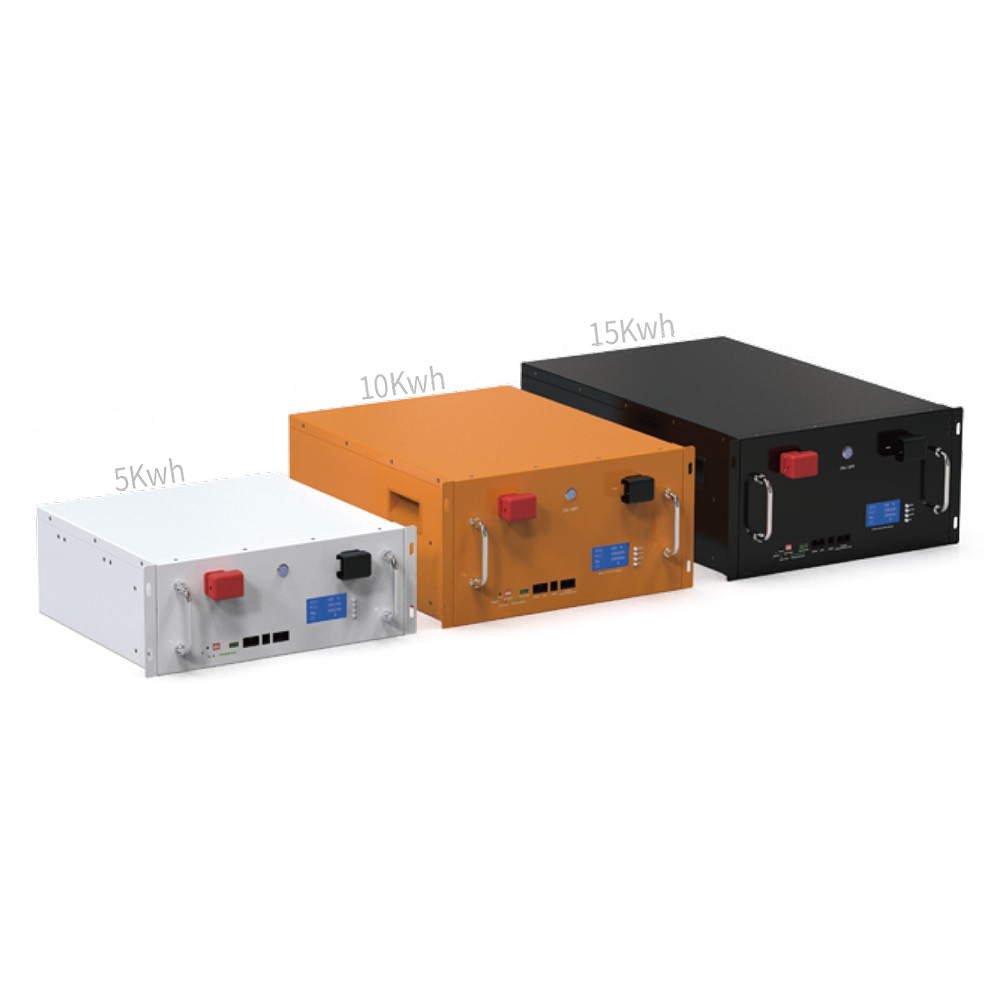 LiFePO4 Energy Storage Battery 5–15 kWh (Rack-Mount)LiFePO4 (LFP)
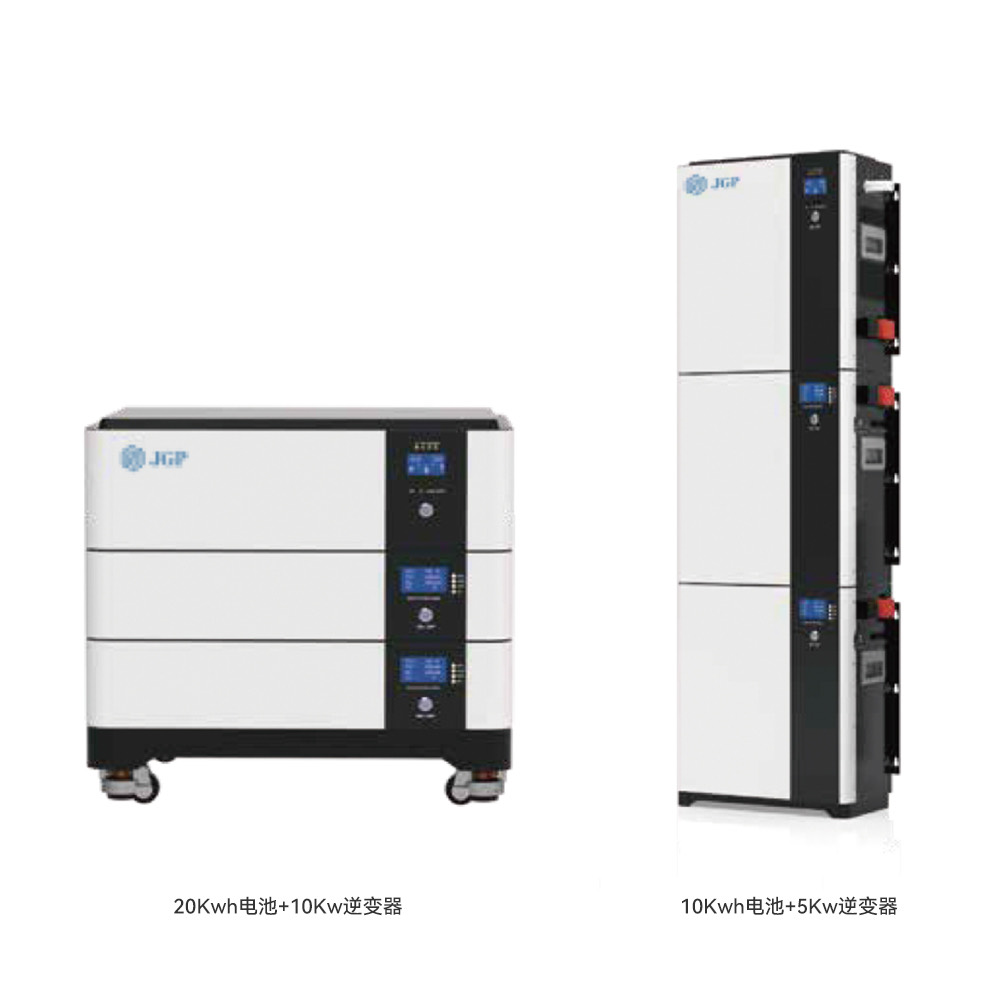 All-in-One Hybrid Energy Storage System (Battery + 5/10 kW Inverter)LiFePO4 (LFP)10Sodium-ion Battery Pack (48V / 51.2V Series)48 V / 51.2 V11Lithium-ion Battery Packs & Cells (18650 / Polymer / Custom)18650 packs / Polymer packs / LiFePO4 packsView all products →