Cycle life is one of the most important measures of lithium-ion battery quality and appears as a required item in many industry standards. Introducing the structure: in the first charge-discharge cycle, a passivation film forms at the interface between the anode and the electrolyte. It acts as a separator between electrode and electrolyte — an electronic insulator but an excellent conductor of lithium ions, which can intercalate and de-intercalate freely through it. Because of its solid-electrolyte character it is called the solid electrolyte interface, or SEI. A lithium-ion cell consists essentially of cathode and anode materials, electrolyte, separator, current collectors and enclosure, with the electrodes built from two different lithium-intercalating compounds. On charge, lithium ions leave the cathode, pass through the electrolyte and separator and intercalate into the anode; on discharge the process reverses.
Material ageing and degradation play a central role. Ideally, if side reactions could be suppressed and lithium ions could travel freely between the electrodes, cycle life would be extended almost indefinitely. Over-charging is one of the main culprits: excess lithium extracted from the cathode deposits on or intercalates into the anode, where the deposited active lithium can react with the solvent, releasing heat and raising cell temperature; the heated cathode decomposes and releases oxygen, which further decomposes the electrolyte. Over-discharge occurs when voltage falls below the cut-off. Lithium is then over-extracted from the anode, making re-intercalation on the next charge difficult. Testing on MCMB-anode / LiCoO2-cathode cells discharged to 0 V showed serious corrosion of the copper foil current collector and destruction of the anode SEI film; the rebuilt SEI performs poorly, raising anode impedance and polarisation. Discharge capacity and coulombic efficiency drop sharply in subsequent cycles.
Design and manufacturing also matter. Material selection is the single most important design decision, since different materials produce different performance — cycle life is longest when cathode and anode are well matched. The electrolyte is equally important: the intercalation and de-intercalation of lithium always involves interaction with the electrolyte, which affects the electrode interface and internal structure. Electrolyte is consumed in these interactions and further consumed during formation and pre-charging, so both the type and the volume of electrolyte affect life. In batching, the amount of cathode and anode material must be controlled: the anode is normally designed with slight excess capacity so that lithium does not plate during charging and form dendrites; too much excess, however, allows the cathode to be over-delithiated and its structure to collapse. Manufacturing steps — batching, coating, slitting, winding, canning, filling, sealing and formation — each demand strict control, and in batching the binder dosage, stirring speed, slurry concentration, temperature and humidity all matter.
Finally, the charge-discharge regime matters: current magnitude, cut-off voltages and charging method. Blindly raising operating current, raising the charge cut-off voltage or lowering the discharge cut-off voltage all degrade performance. Since cycle life directly determines service time and quality, understanding and controlling these factors is essential for manufacturers — and consumers should follow the operating instructions to use their batteries correctly.

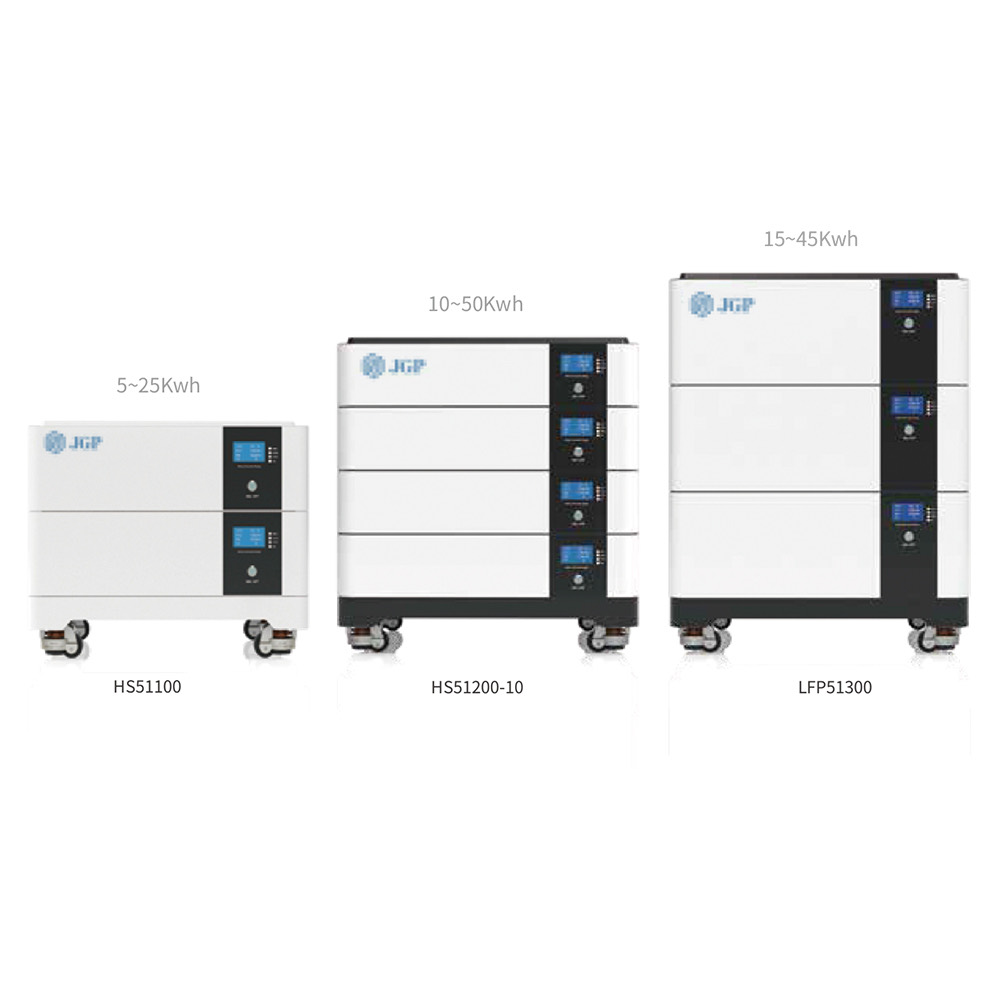 LiFePO4 Energy Storage Battery 5–50 kWh (Stackable & Mobile)LiFePO4 (LFP)
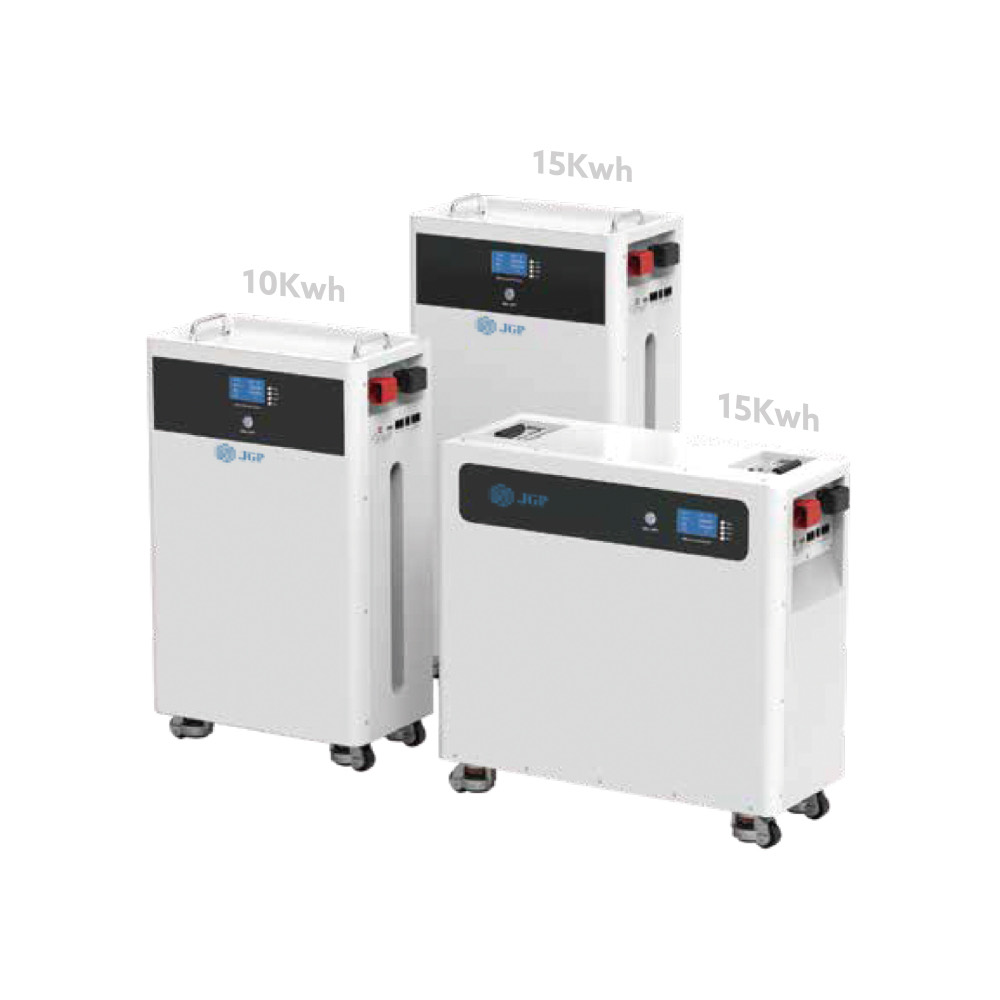 LiFePO4 Energy Storage Battery 10–15 kWh (Mobile)LiFePO4 (LFP)
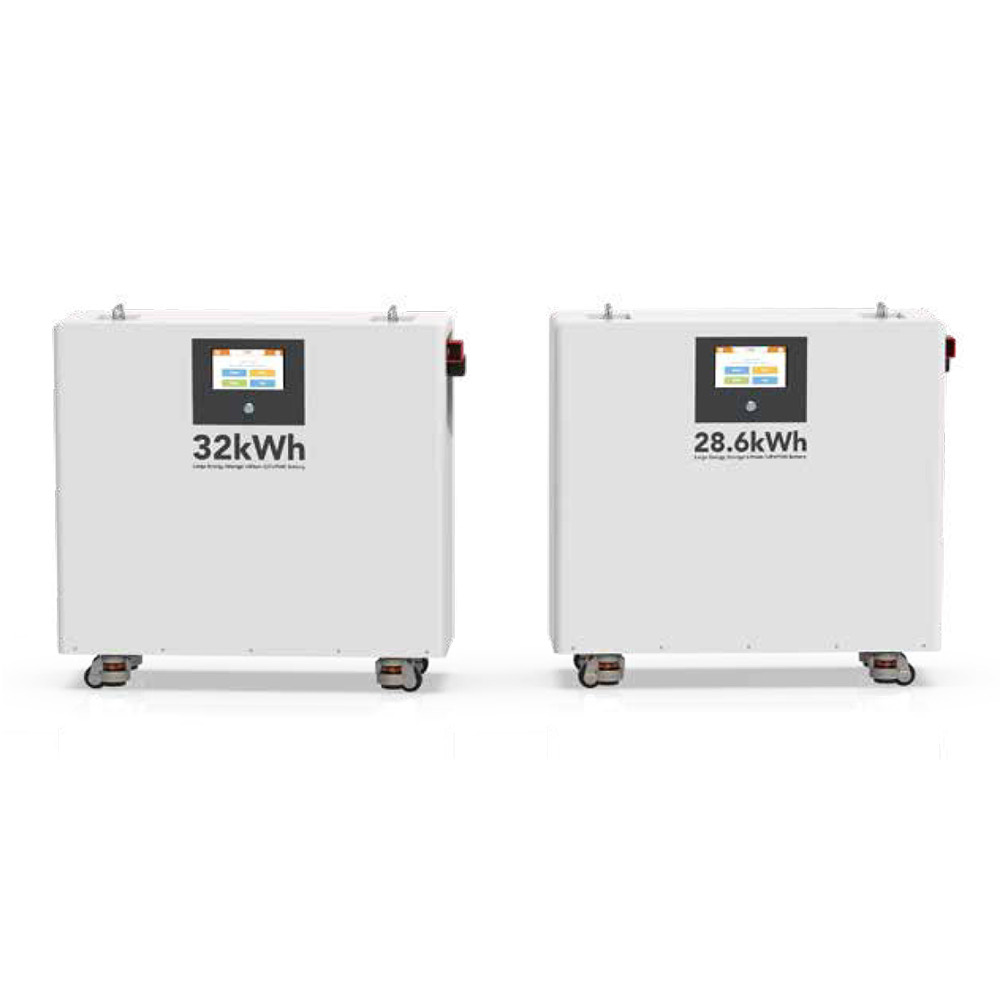 LiFePO4 Energy Storage Battery 28.6–32 kWh (Mobile)LiFePO4 (LFP)
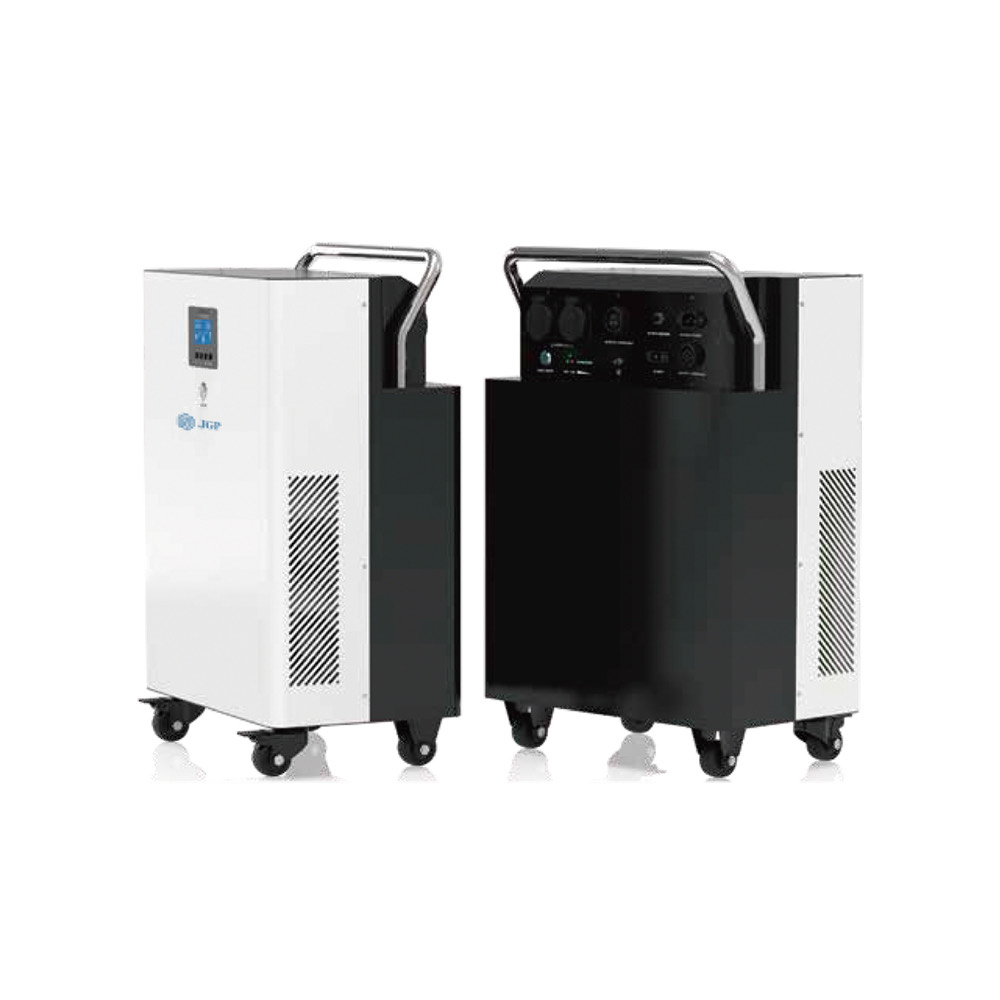 Portable Power Station (5 kWh Battery + 5 kW Inverter)LiFePO4 (LFP)
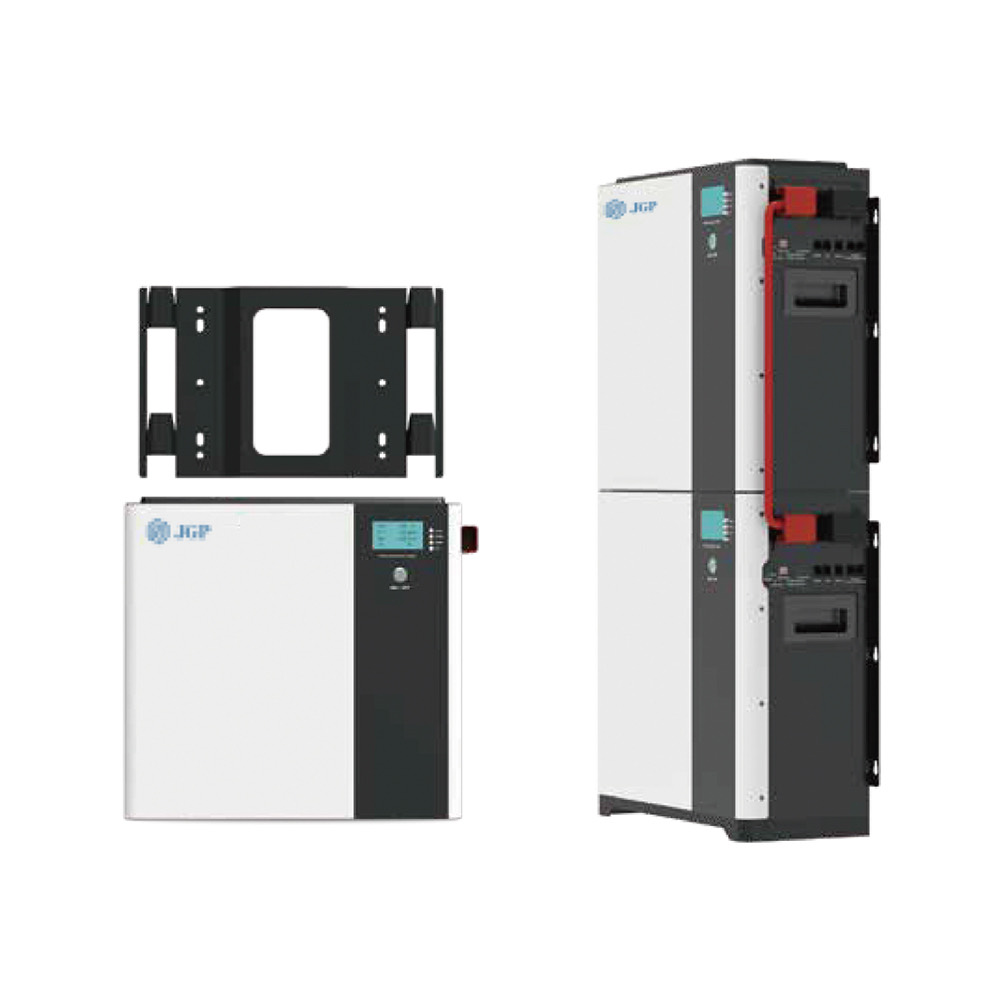 LiFePO4 Energy Storage Battery 2.5–20 kWh (Wall-Mount Stackable)LiFePO4 (LFP)
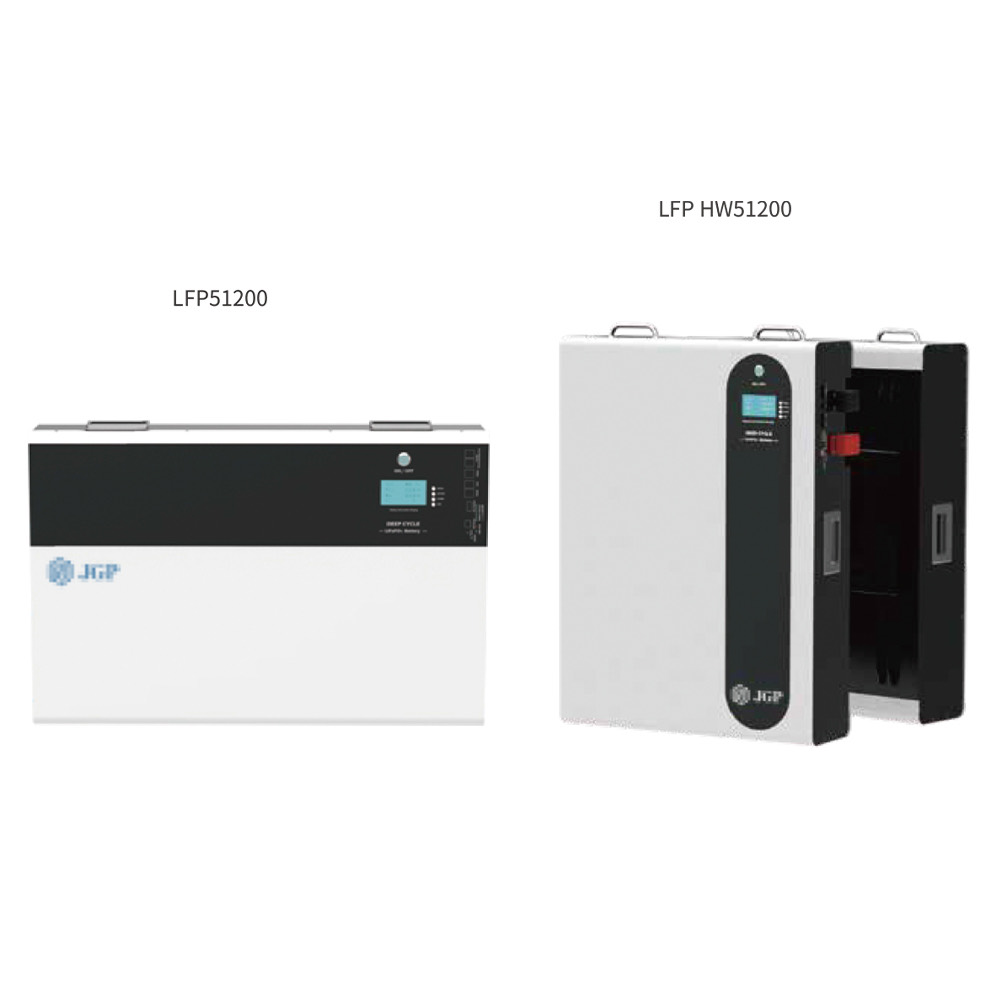 LiFePO4 Energy Storage Battery 10 kWh (Wall-Mount)LiFePO4 (LFP)
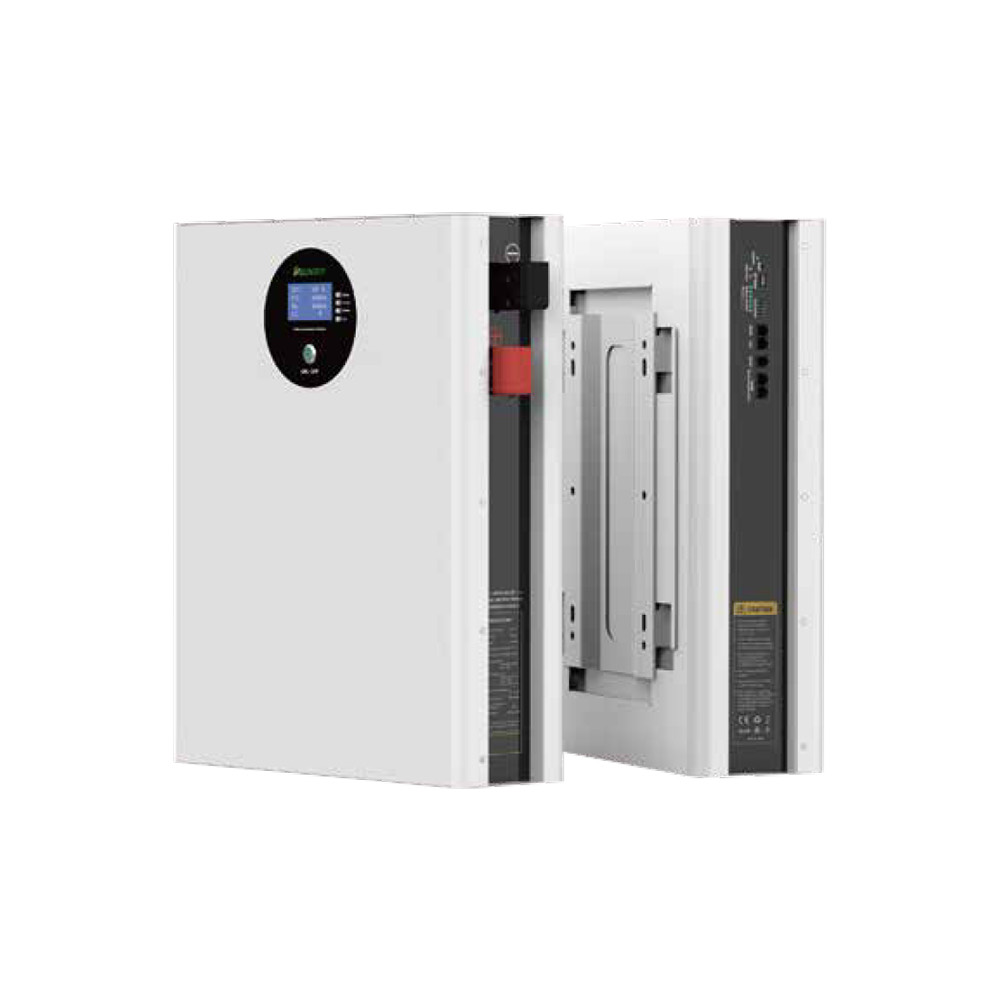 Solid-State Battery 5 kWh (Wall-Mount)LiFePO4 (LFP)
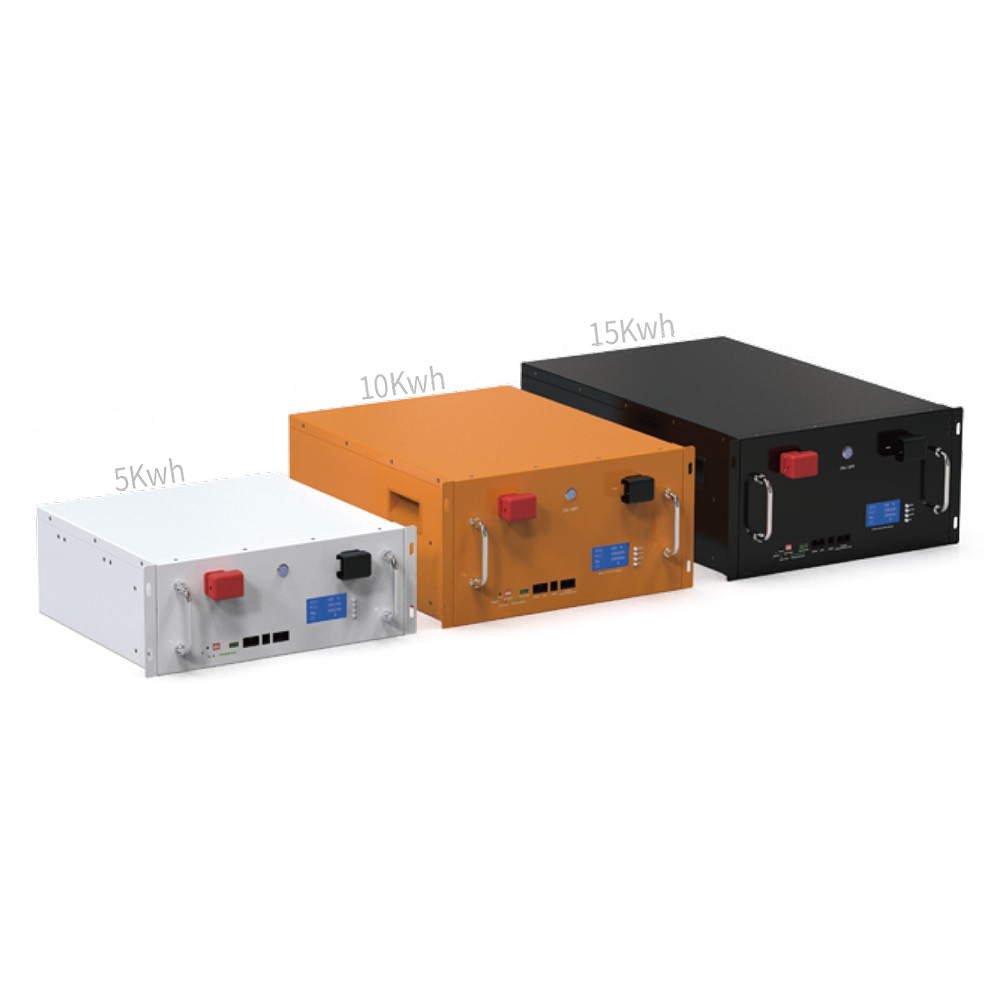 LiFePO4 Energy Storage Battery 5–15 kWh (Rack-Mount)LiFePO4 (LFP)
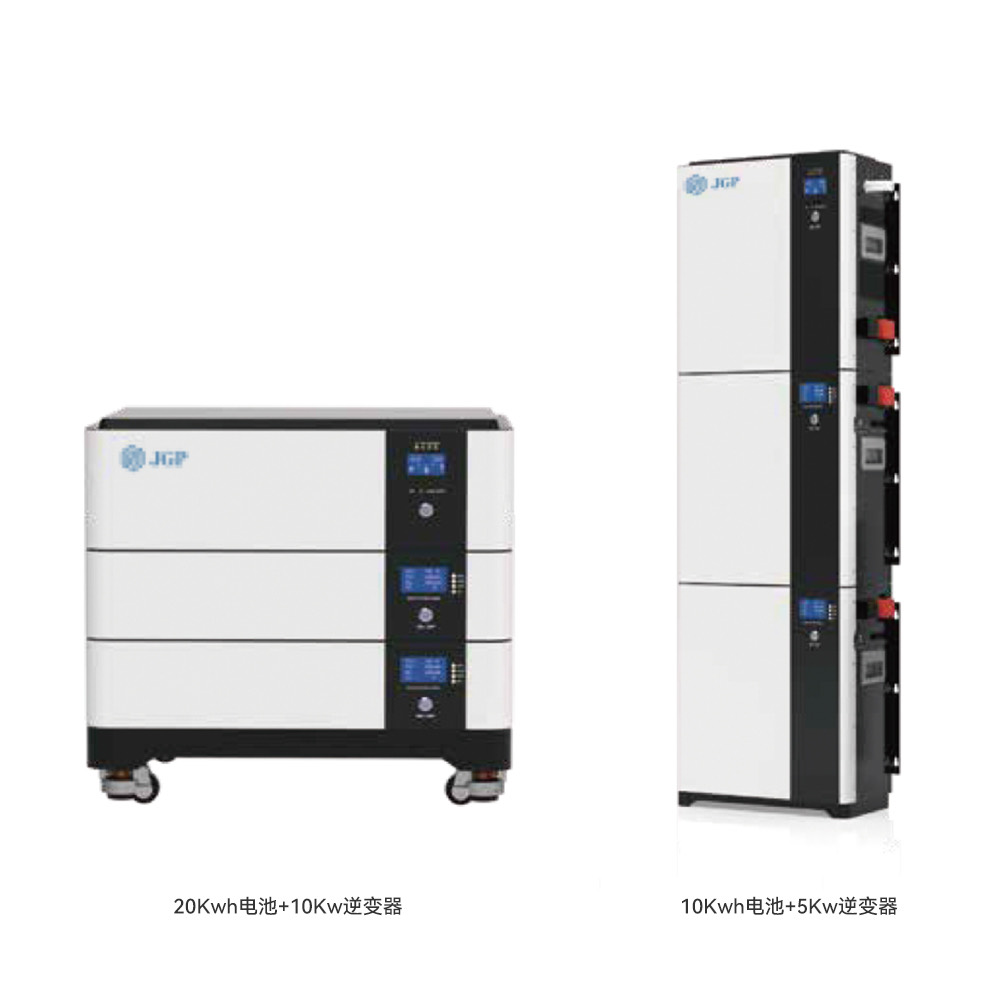 All-in-One Hybrid Energy Storage System (Battery + 5/10 kW Inverter)LiFePO4 (LFP)10Sodium-ion Battery Pack (48V / 51.2V Series)48 V / 51.2 V11Lithium-ion Battery Packs & Cells (18650 / Polymer / Custom)18650 packs / Polymer packs / LiFePO4 packsView all products →