
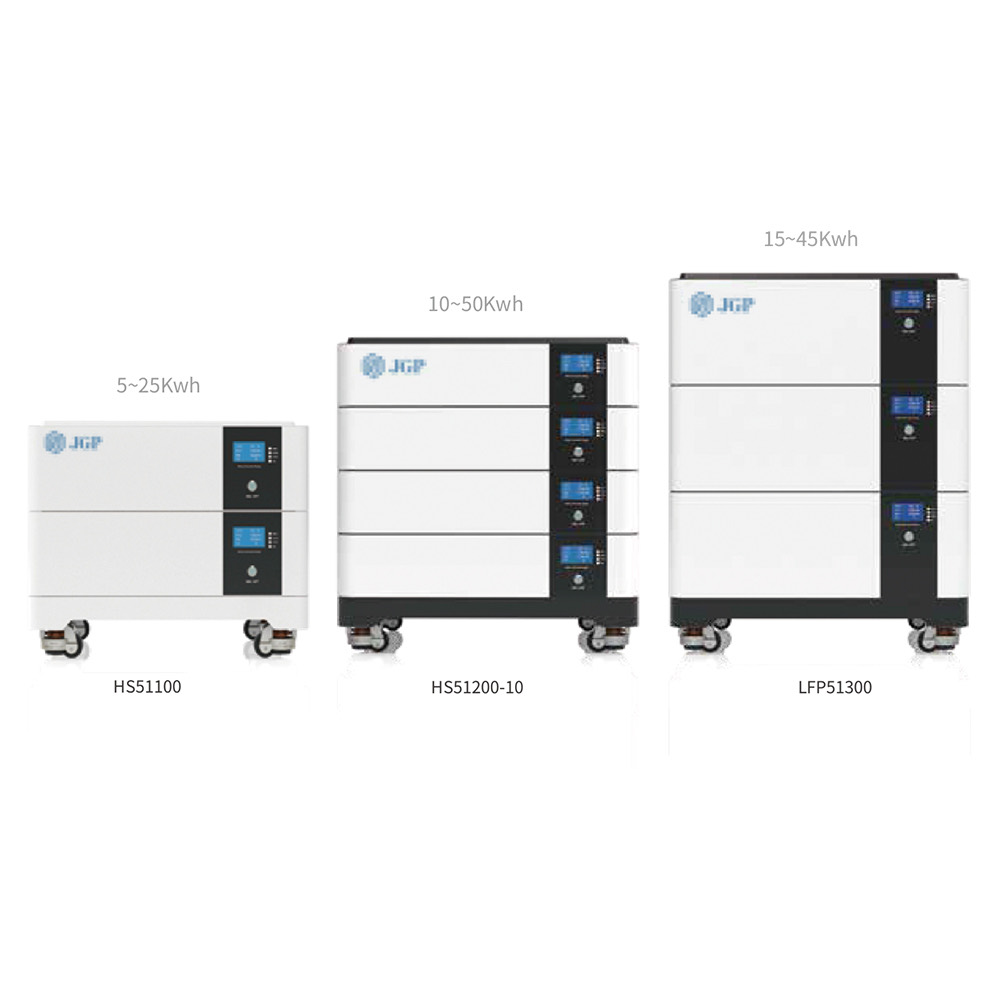
 LiFePO4 Energy Storage Battery 5–50 kWh (Stackable & Mobile)LiFePO4 (LFP)
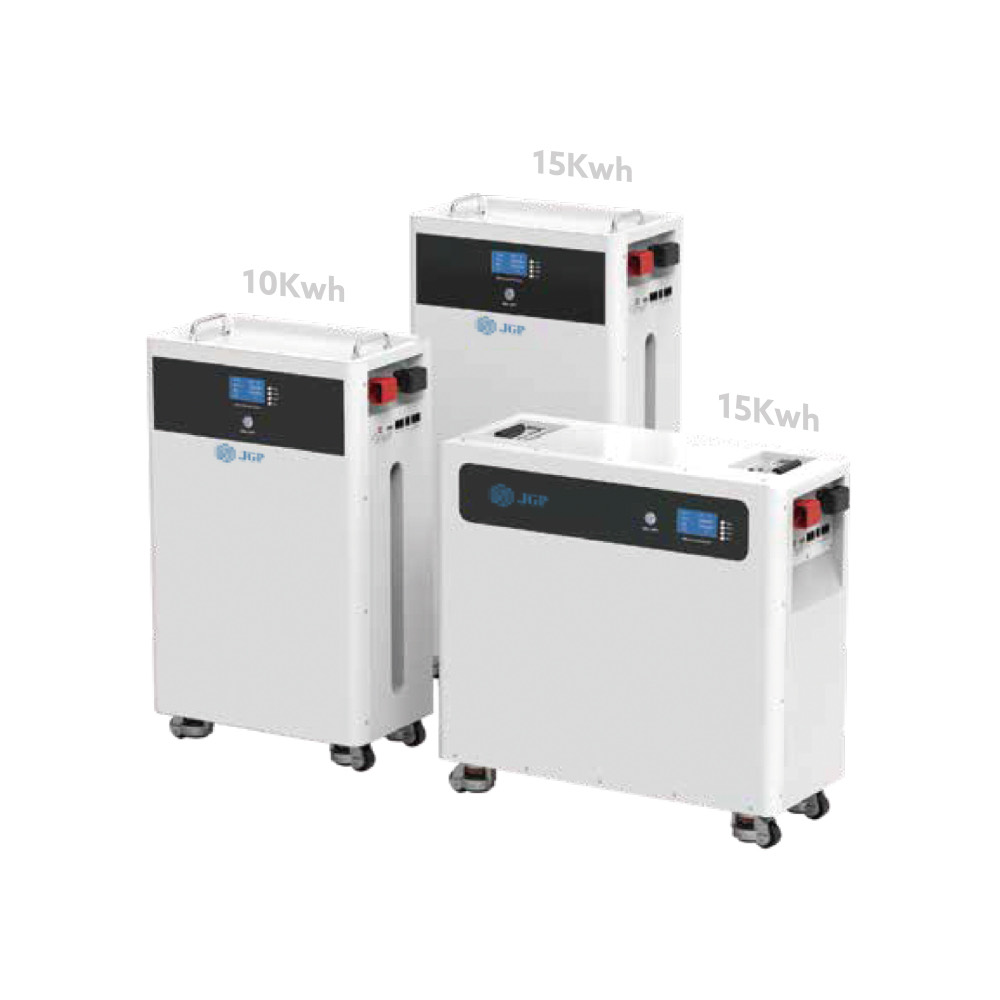 LiFePO4 Energy Storage Battery 10–15 kWh (Mobile)LiFePO4 (LFP)
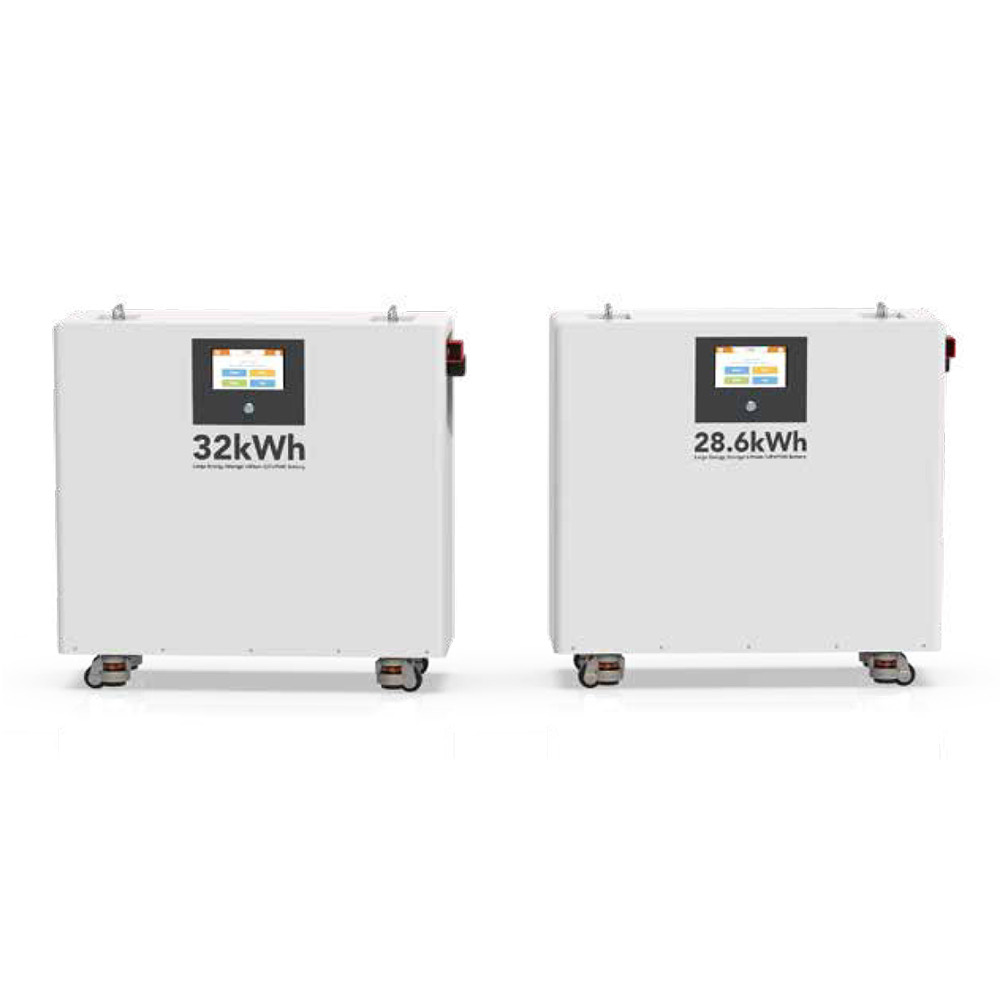 LiFePO4 Energy Storage Battery 28.6–32 kWh (Mobile)LiFePO4 (LFP)
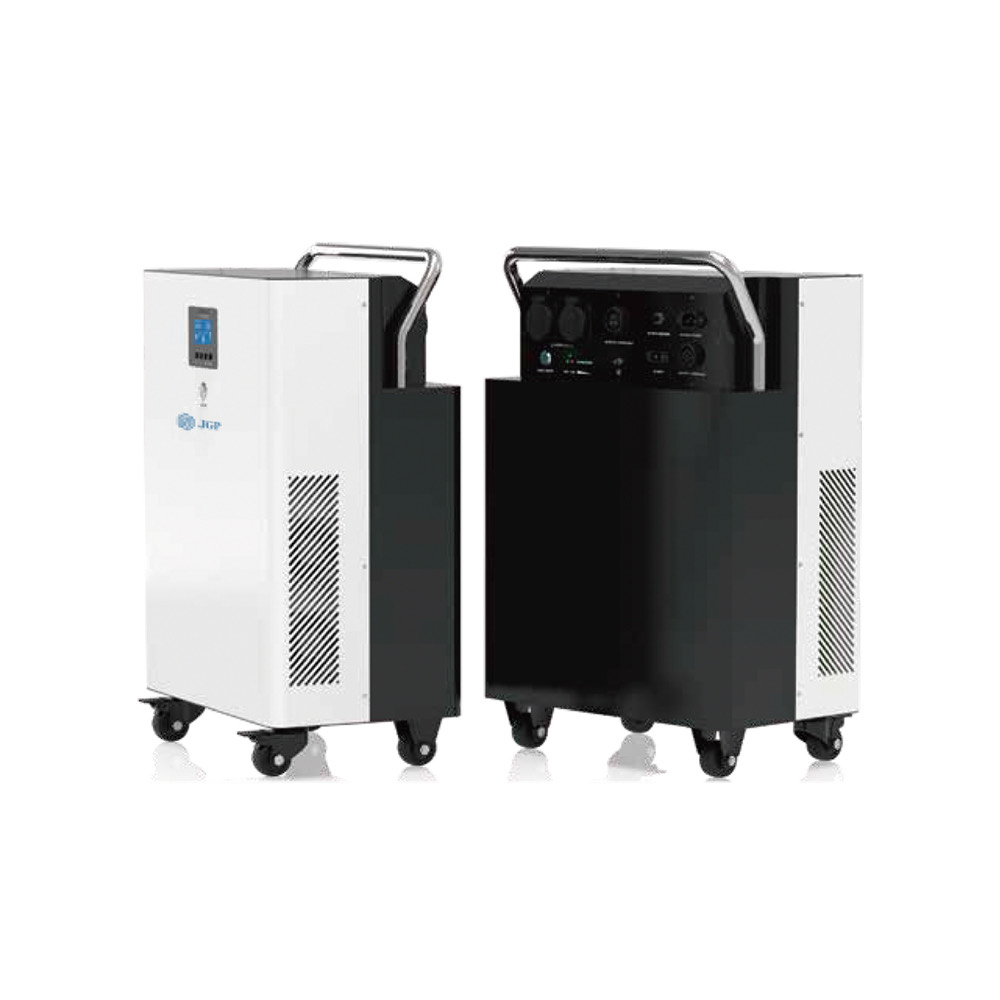 Portable Power Station (5 kWh Battery + 5 kW Inverter)LiFePO4 (LFP)
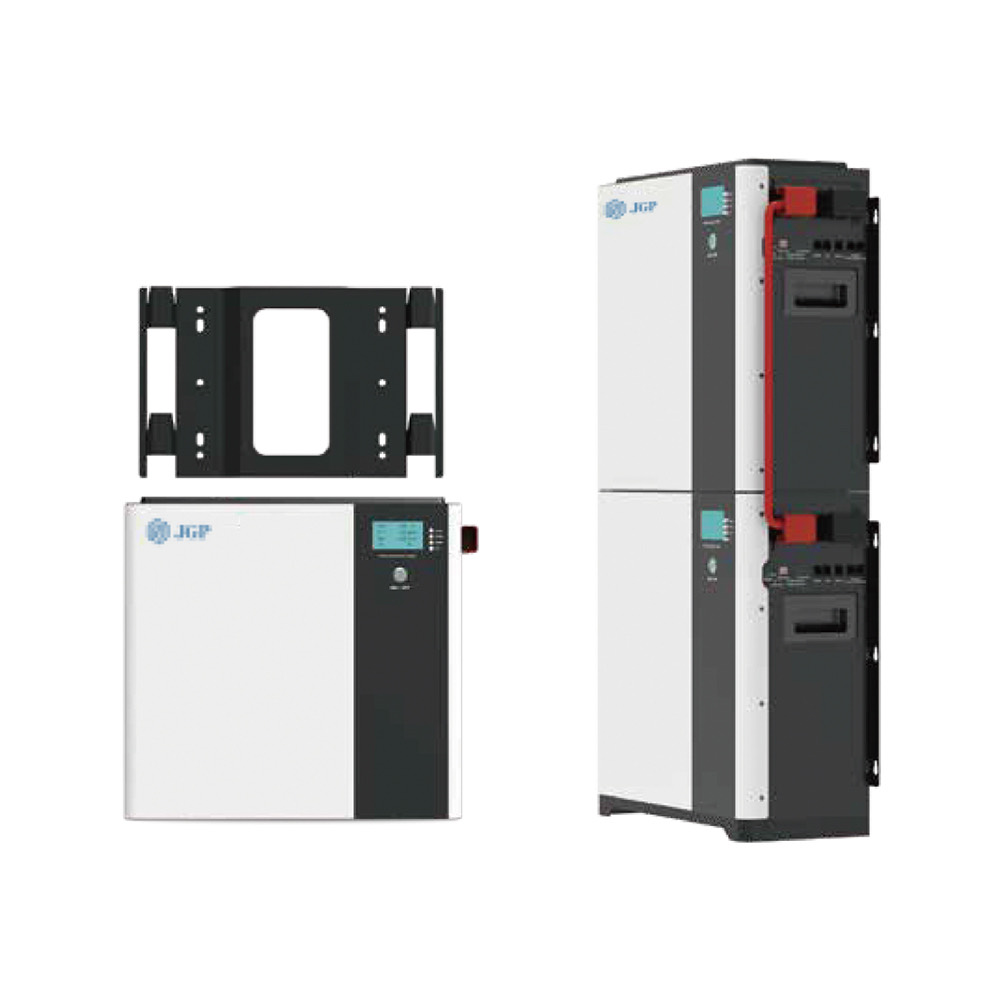 LiFePO4 Energy Storage Battery 2.5–20 kWh (Wall-Mount Stackable)LiFePO4 (LFP)
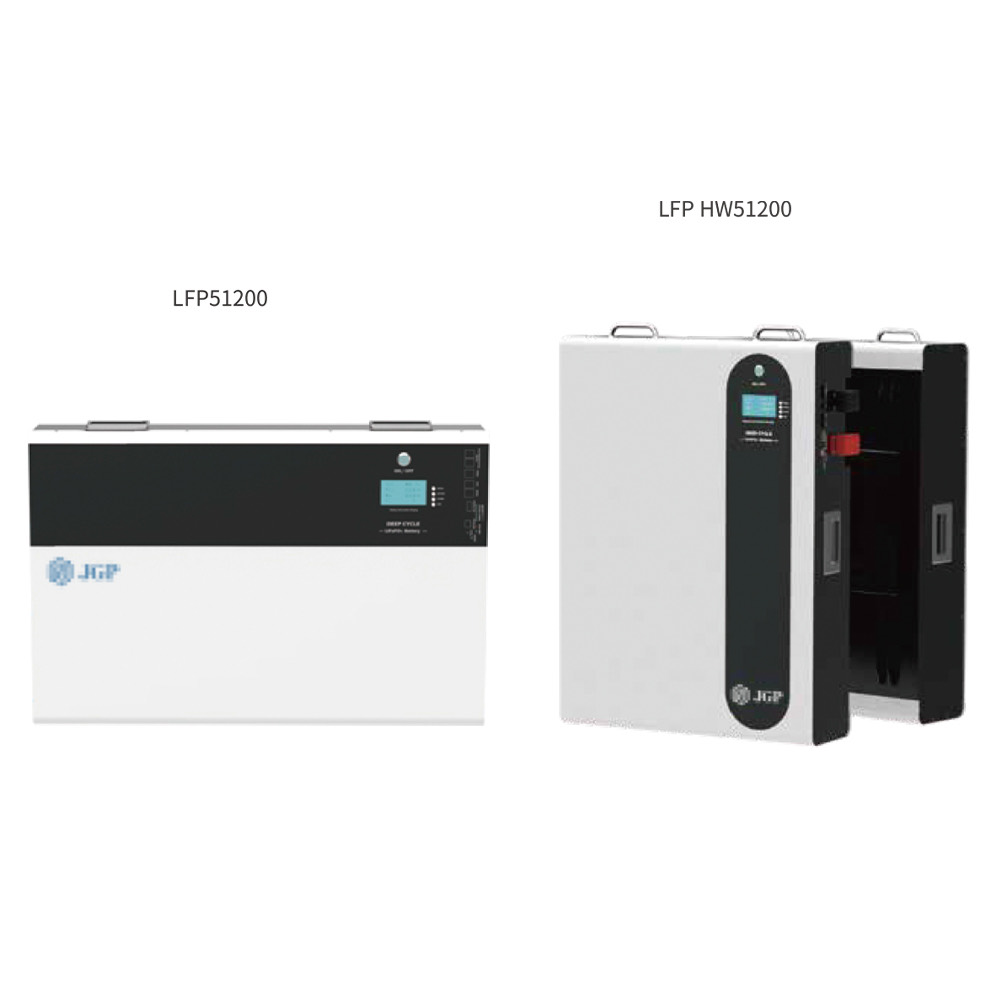 LiFePO4 Energy Storage Battery 10 kWh (Wall-Mount)LiFePO4 (LFP)
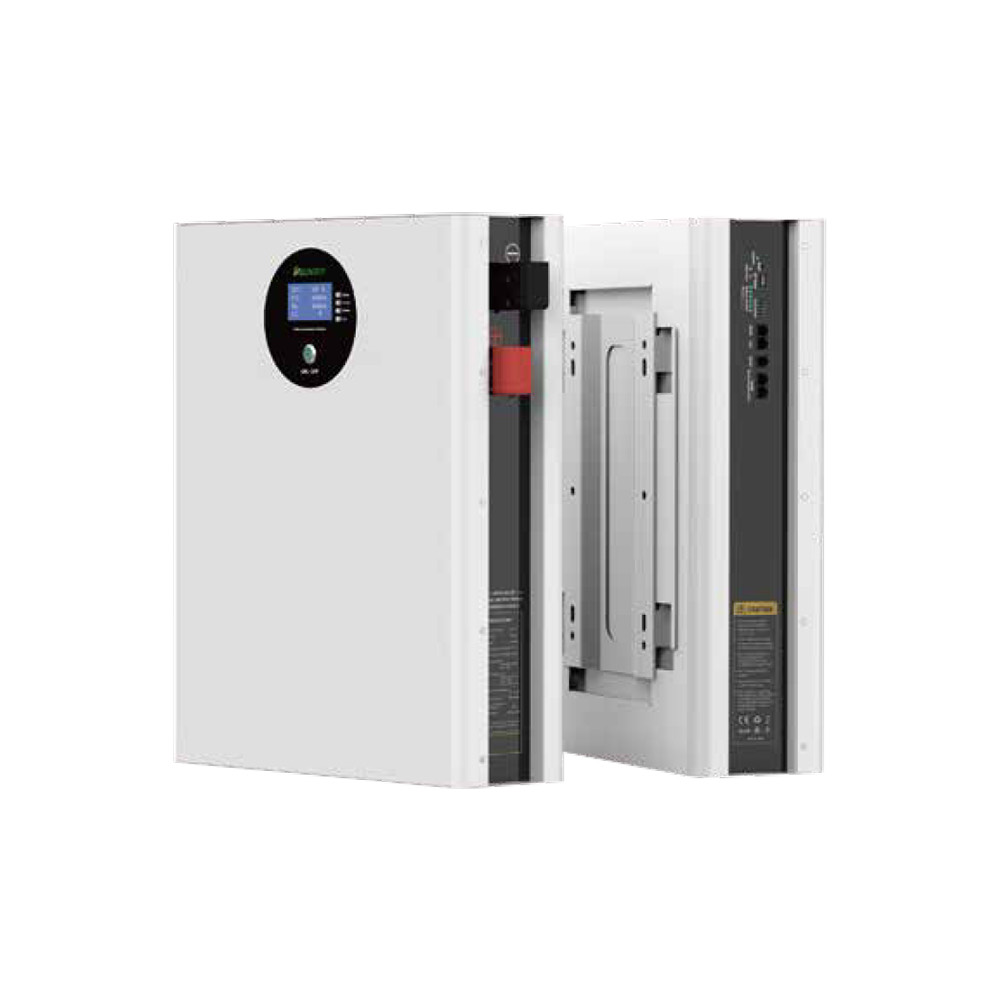 Solid-State Battery 5 kWh (Wall-Mount)LiFePO4 (LFP)
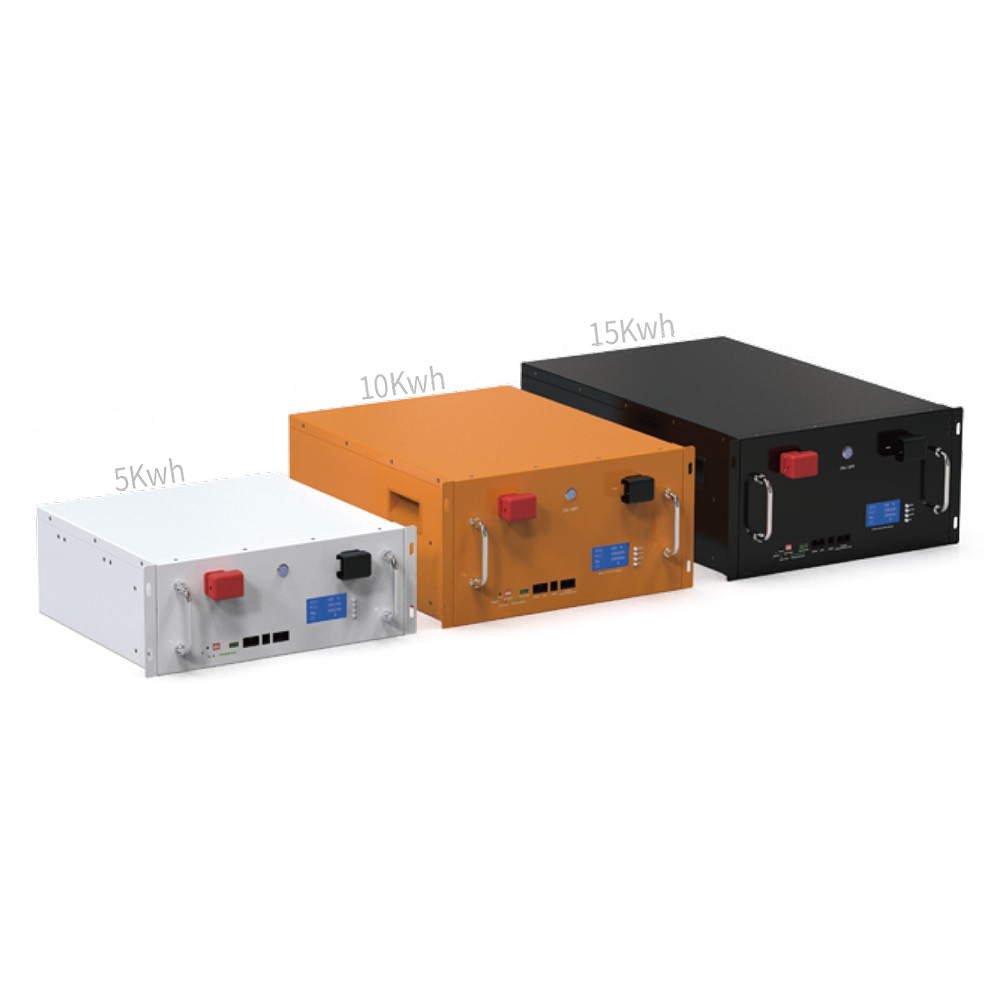 LiFePO4 Energy Storage Battery 5–15 kWh (Rack-Mount)LiFePO4 (LFP)
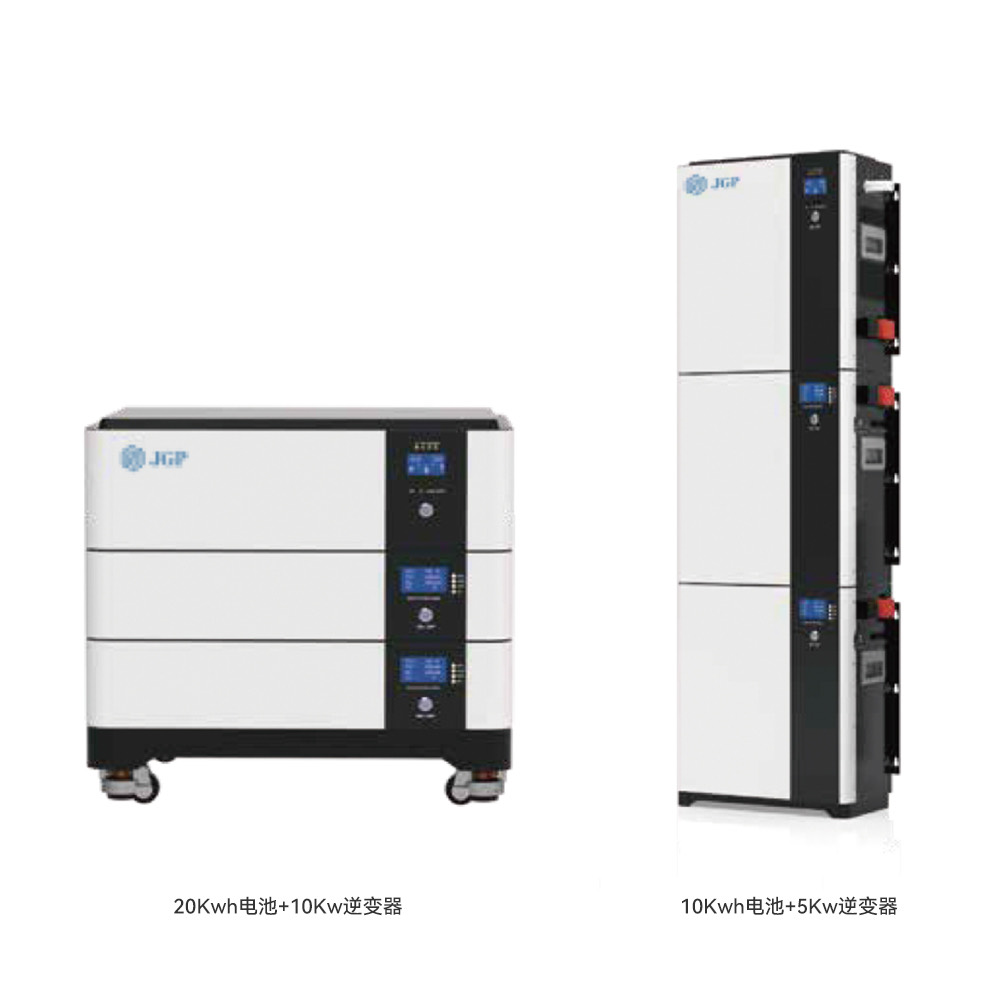 All-in-One Hybrid Energy Storage System (Battery + 5/10 kW Inverter)LiFePO4 (LFP)10Sodium-ion Battery Pack (48V / 51.2V Series)48 V / 51.2 V11Lithium-ion Battery Packs & Cells (18650 / Polymer / Custom)18650 packs / Polymer packs / LiFePO4 packsView all products →
About JinyuanAbout us
Support & serviceSupport center
Contact usContact us