In the 2018 Top Runner round, five gigawatts of winning projects all used full-score modules, requiring conversion efficiencies of 18.7% for mono and 17.8% for multi, with 60-cell single-sided power at 310 W and 295 W respectively. To achieve both high efficiency and low price, nearly every popular technology was deployed: PERC, bifacial, N-type, half-cell, MBB, MWT and black silicon. Top Runner pulled these technologies out of the laboratory and into volume application, and without that rapid iteration the programme could not have demanded ever-higher efficiency or produced ever-lower prices.
Two routes lead to a full-score module. The first is PERC combined with other technologies. PERC is compatible with both mono and multi wafers, lifting power by roughly 20 W and 15 W respectively; 2018 PERC module capacity was about 34.8 GW, with mono PERC accounting for 30 GW and black-silicon multi PERC for 5 GW, and a further 33 GW was added during the year to reach 68 GW cumulative. Because PERC is both efficient and low-cost it became the indispensable configuration in successive Top Runner rounds.
The second route is N-type. Combining N-type with PERC and half-cell reaches 320 W, and N-type with shingling exceeds 330 W, but high cost remains the main constraint, with 2018 capacity estimated at only 2-3 GW and under 1 GW respectively.
The technology now attracting attention from mainstream cell makers is the selective emitter (SE) solar cell. By doping heavily where the metal grid contacts the wafer and lightly elsewhere, SE reduces contact resistance between wafer and electrode, lowers surface recombination, raises minority-carrier lifetime, cuts series resistance and improves fill factor, strengthens surface passivation and enhances short-wavelength response to raise short-circuit current and open-circuit voltage. SE cells gain about 0.3% over conventional cells, and SE combined with PERC can push volume efficiency past 22%.
Crucially, it is cheap. Upgrading a conventional line to laser-doped selective emitter production requires only one extra process step and one additional laser doping tool, giving high compatibility with existing lines and equipment. On that basis SE can raise the power of existing 60-cell conventional modules by about 5 W at very low conversion cost. Major tier-one manufacturers have already adopted it at scale, with around 12 GW of combined capacity; the largest adopter combines SE with PERC, using laser doping to form a selective PN junction that improves absorption of ultraviolet and infrared light and significantly raises conversion efficiency, while passing all industry reliability tests. Because it is inexpensive and markedly more efficient, SE is expected to become the next widely adopted technology after PERC — and with PERC capacity approaching 68 GW and MBB, half-cell and SE layering on top, the 5 GW of full-score modules needed at year end should be comfortably supplied.

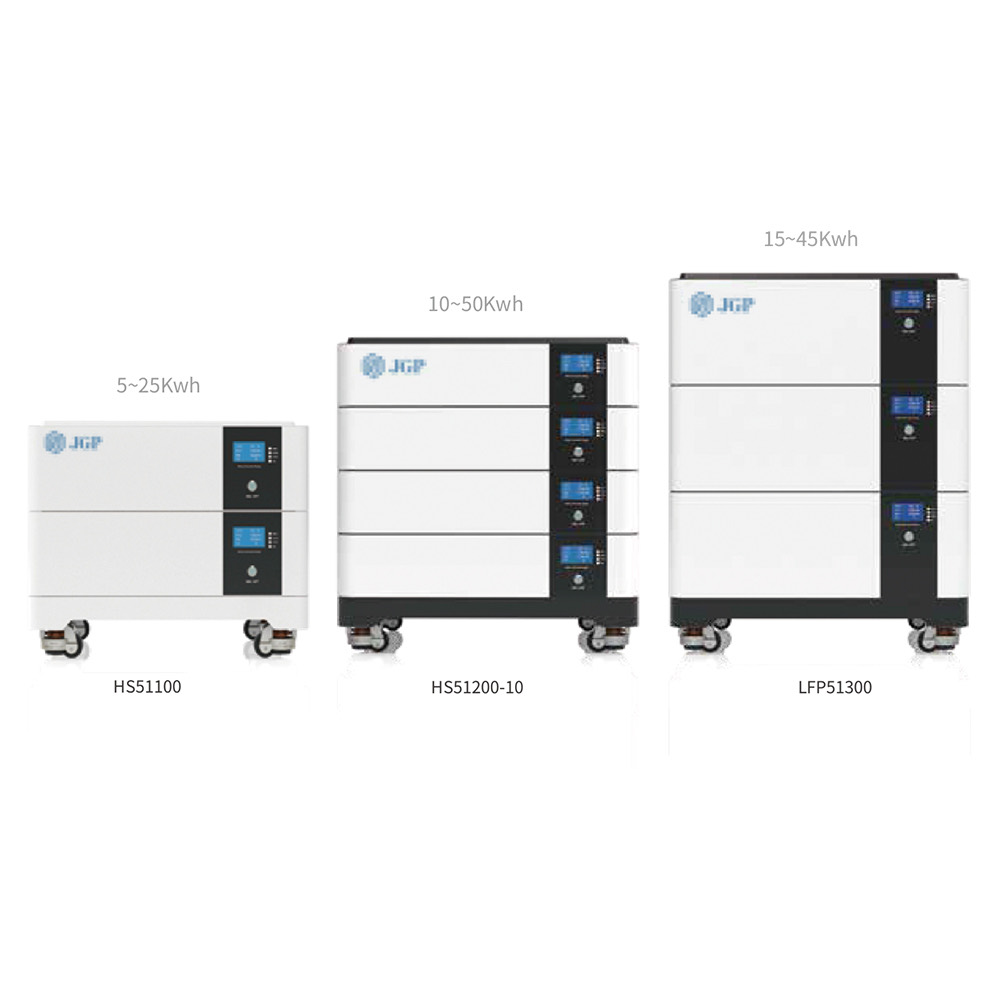 磷酸铁锂储能电池(5kWh~50kWh 可堆叠 / 移动式)磷酸铁锂 LiFePO4
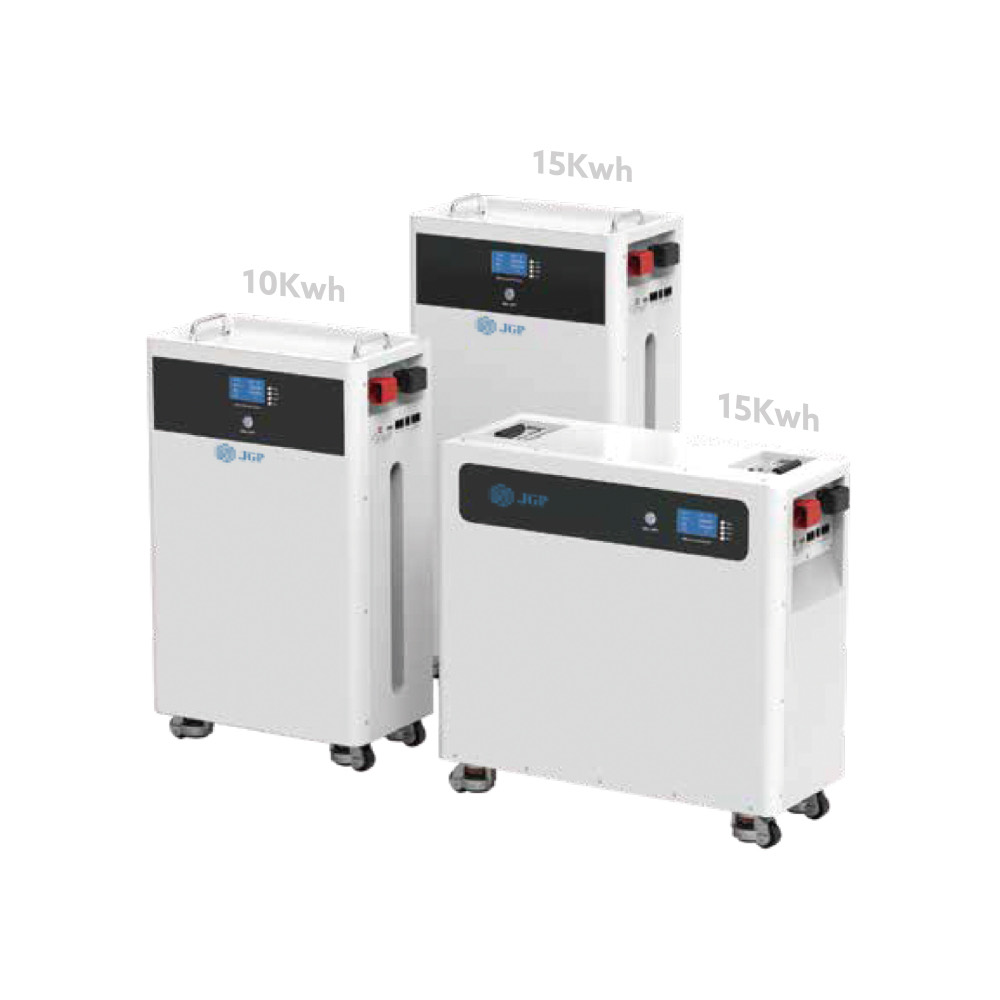 磷酸铁锂储能电池(10kWh~15kWh 可移动式)磷酸铁锂 LiFePO4
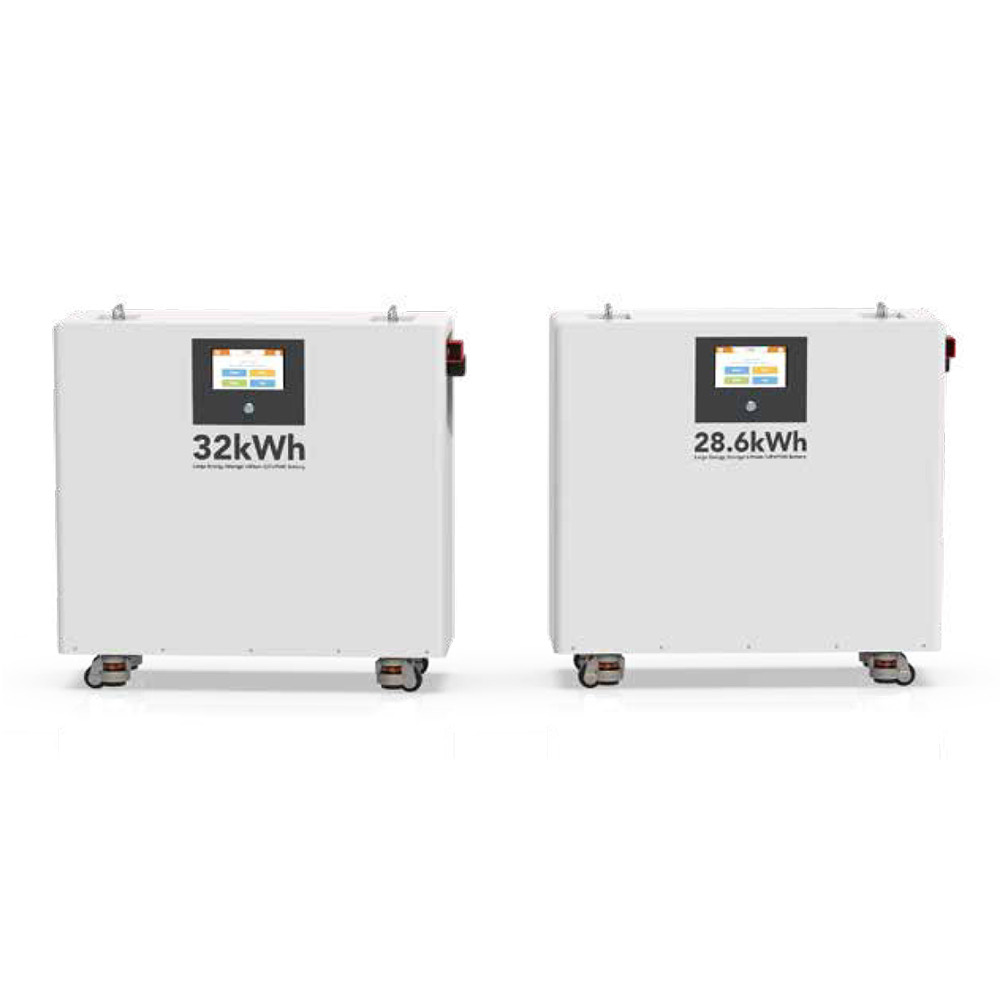 磷酸铁锂储能电池(28.6kWh~32kWh 可移动式)磷酸铁锂 LiFePO4
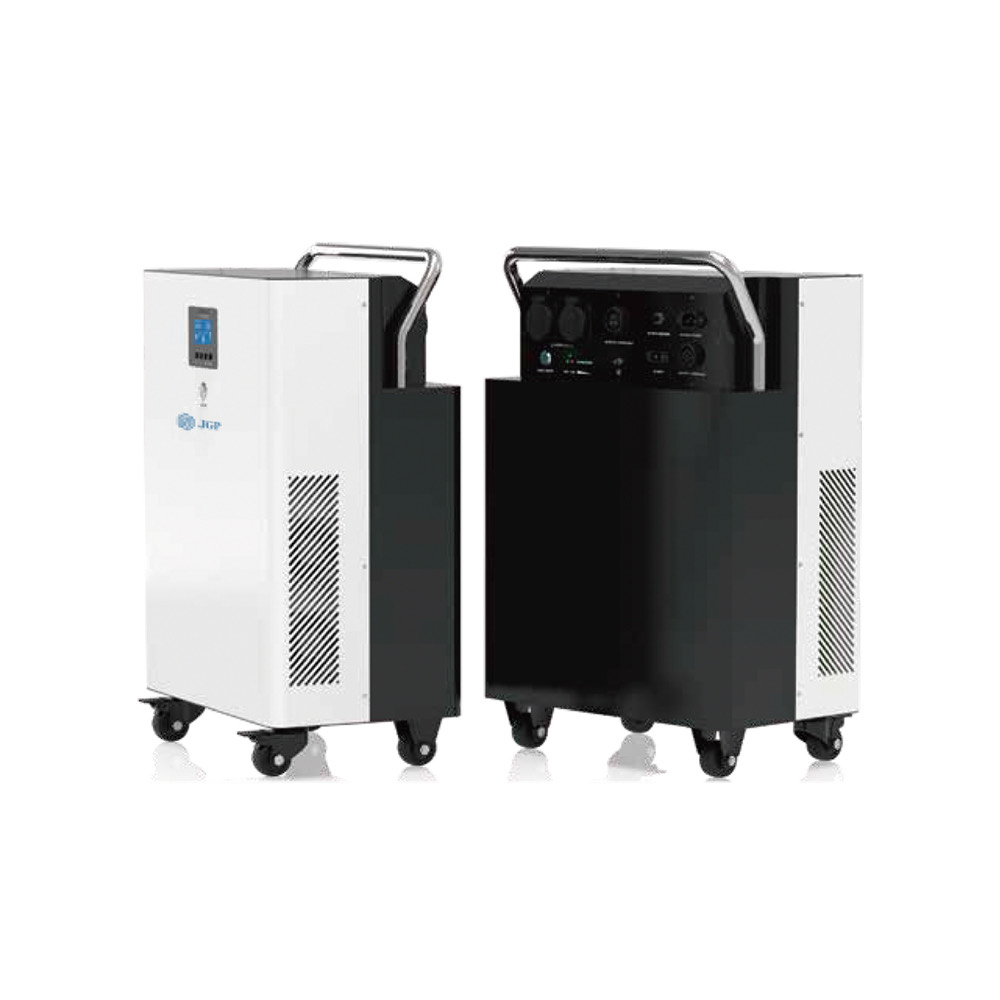 移动式便携电站(5kWh 电池 + 5kW 逆变器)磷酸铁锂 LiFePO4
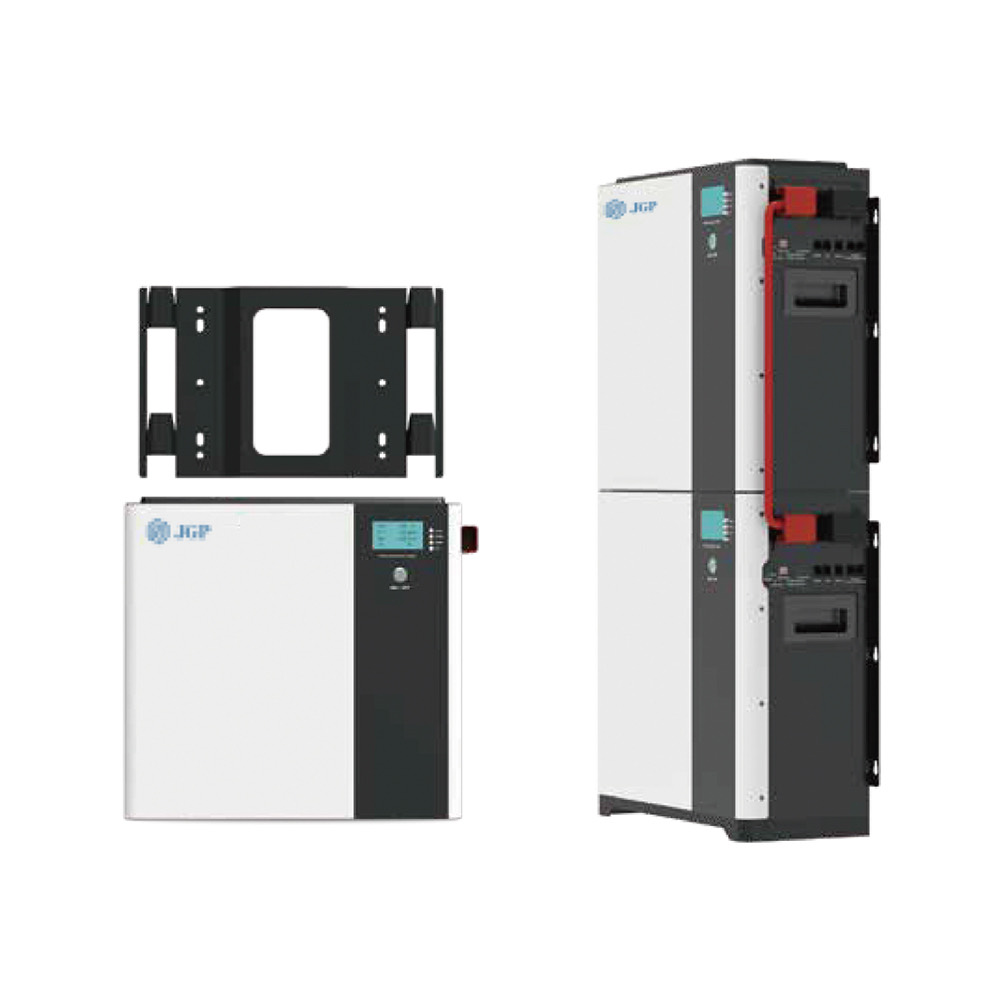 磷酸铁锂储能电池(2.5kWh~20kWh 壁挂可堆叠)磷酸铁锂 LiFePO4
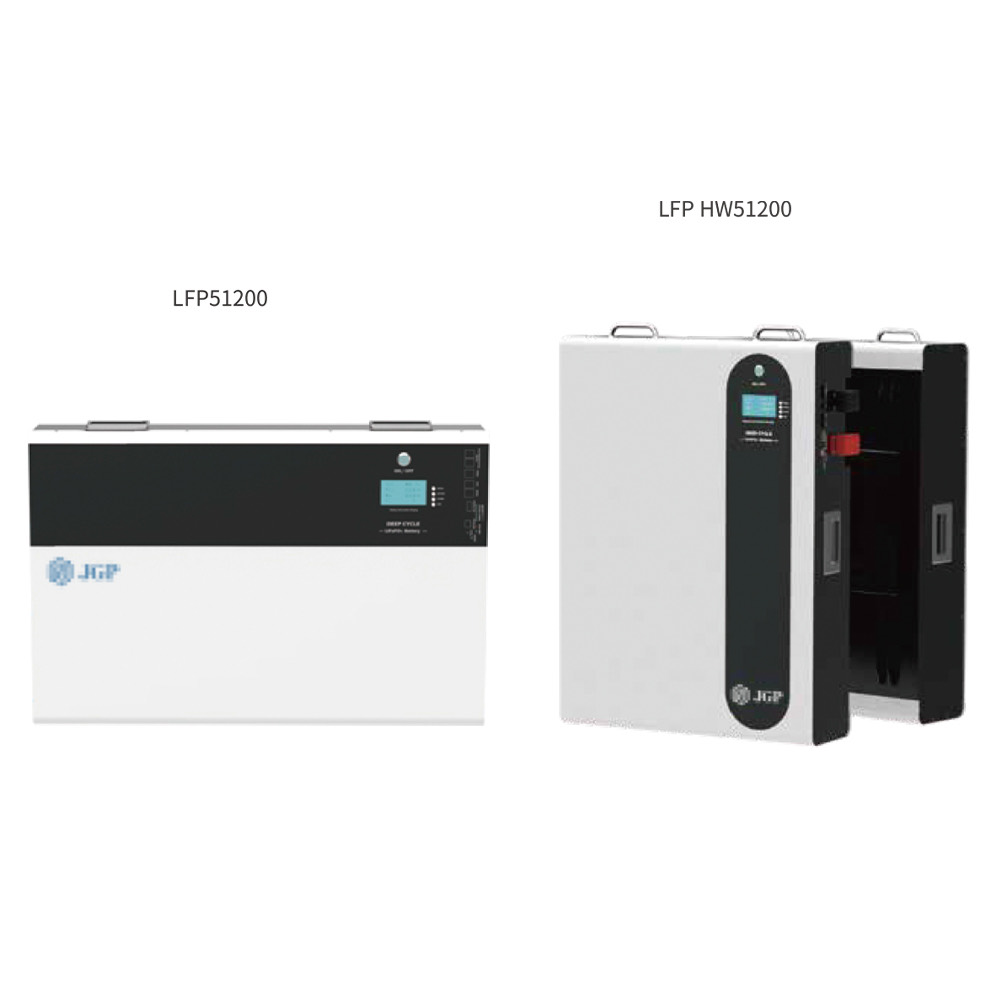 磷酸铁锂储能电池(10kWh 壁挂系列)磷酸铁锂 LiFePO4
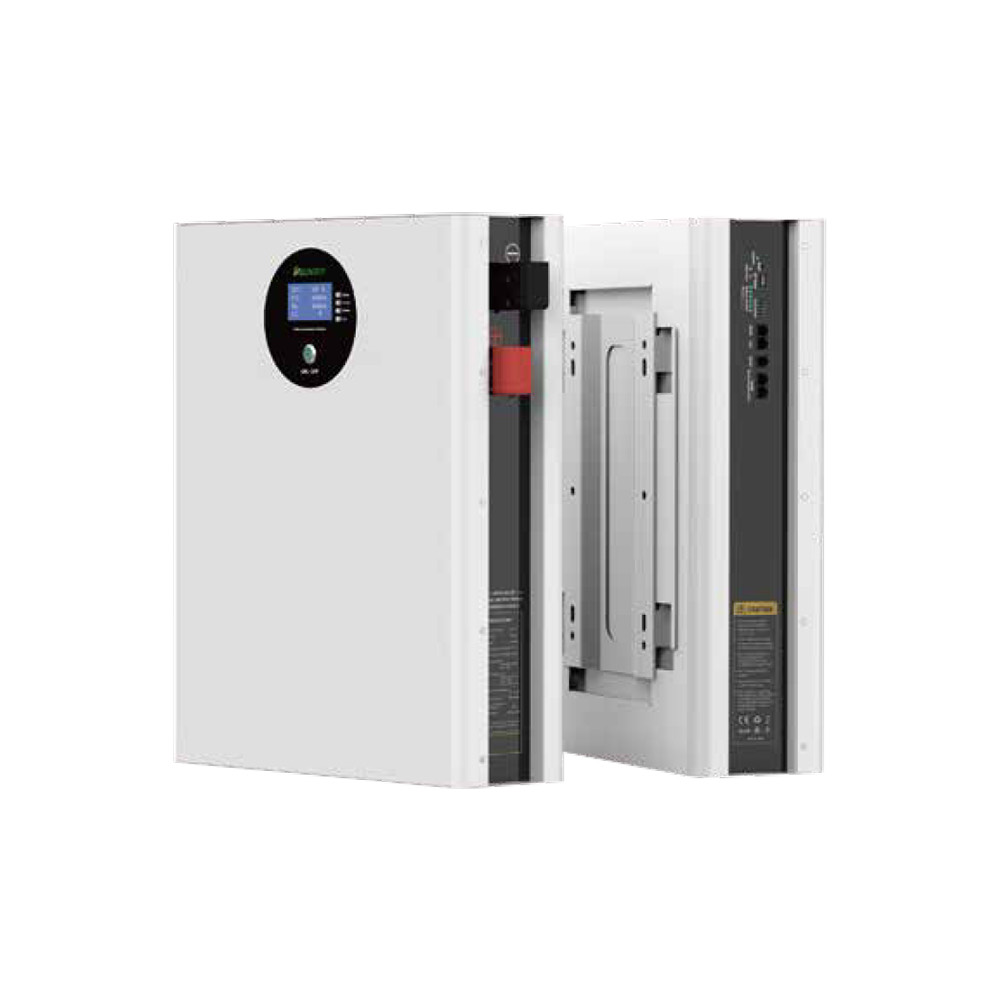 固态电池(5kWh 壁挂系列)磷酸铁锂 LiFePO4
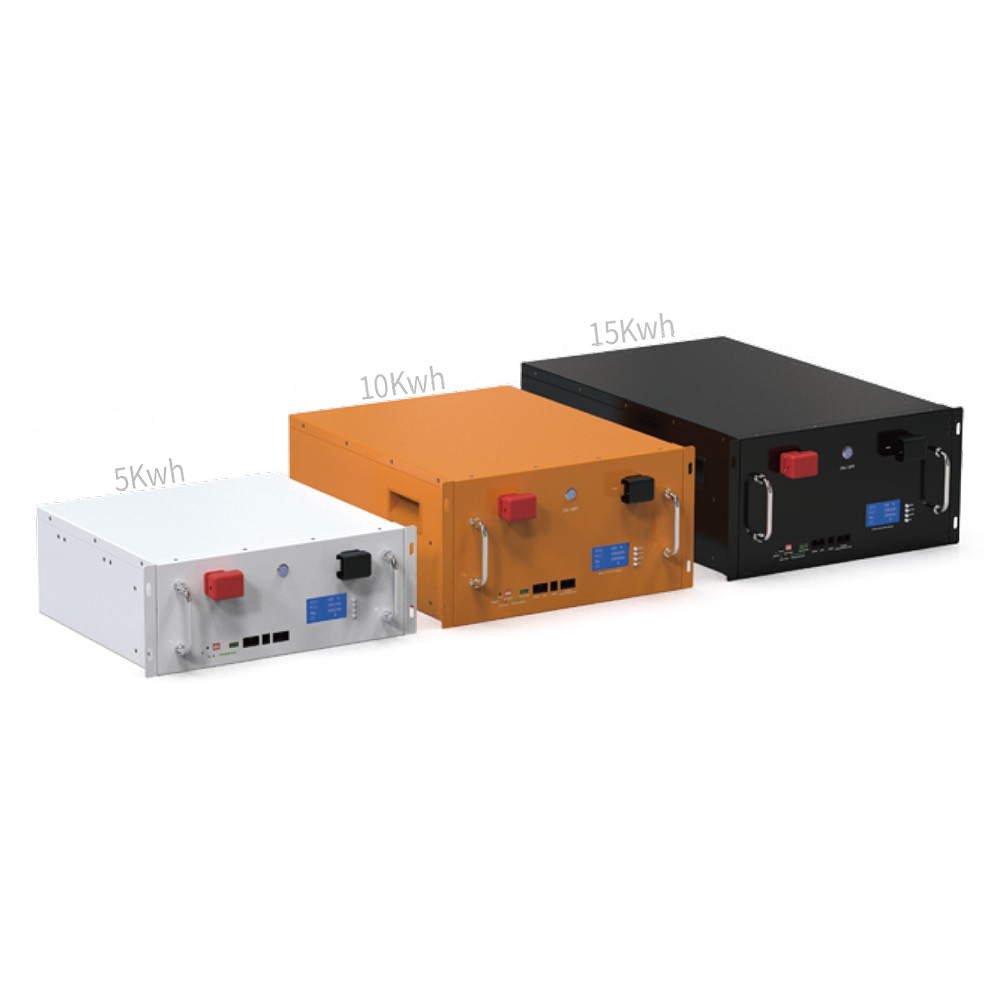 磷酸铁锂储能电池(5kWh~15kWh 机架式系列)磷酸铁锂 LiFePO4
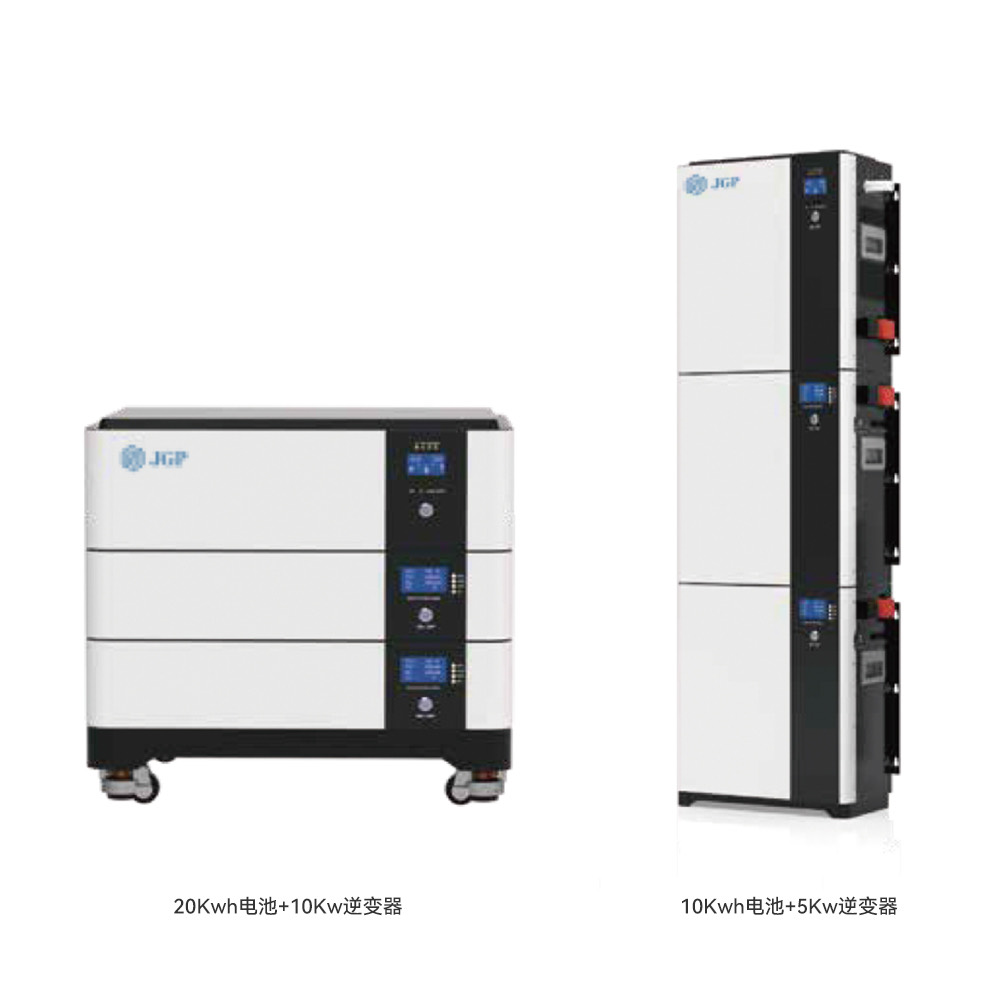 一体化混合储能系统(储能电池 + 5kW / 10kW 逆变器)磷酸铁锂 LiFePO410钠离子电池组(48V / 51.2V 系列)48 V / 51.2 V11锂离子电池组与电芯(18650 / 聚合物 / 定制)18650 packs / Polymer packs / LiFePO4 packs查看全部产品 →