One 220-million-yuan station with 300 MW of planned capacity, connected to the grid in June 2019, now benefits 1,200 registered poor households in Yanggao County. A 49-year-old beneficiary in Shizitun village put it simply: the station pays a 3,000-yuan subsidy every year, giving his family an inexhaustible deposit book.
Datong was one of four cities in Shanxi with the heaviest poverty alleviation burden. Hunyuan, Guangling and Tianzhen counties launched a series of solar poverty alleviation projects. Tianzhen's stations have generated 20.74 million kWh cumulatively, returning more than 200,000 yuan on average to each poor village, and the Heishiliang station was recommended to the national poverty alleviation office as a model of station management.
In siting, Datong developed seven models — centralised ground stations, one-village-one-station and multi-village stations, agrivoltaic and forest-solar combinations, and household stations. In project management it introduced a unified regime covering planning, design, construction, acceptance, operations and revenue distribution, and devised a factor-based formula that allocates revenue according to station scale and the number of poor households.
Funding underpins delivery. Datong has invested a total of 2.418 billion yuan in solar poverty alleviation, of which 259 million yuan came from the central government, 177 million from the province and 265 million from the city — 28.9% combined — with the remainder raised locally from integrated funds, designated assistance and social donations. The city built and connected 173 stations, including 165 village-level and 8 centralised stations, reaching 329 MW of installed capacity, third in the province, covering every poor village in six impoverished counties and generating 691 million kWh. Revenue to date totals 155 million yuan, of which 145 million has been distributed to villages, benefiting 1,028 villages — all 745 poor villages and 333 non-poor villages in the city — and 38,980 registered poor people.

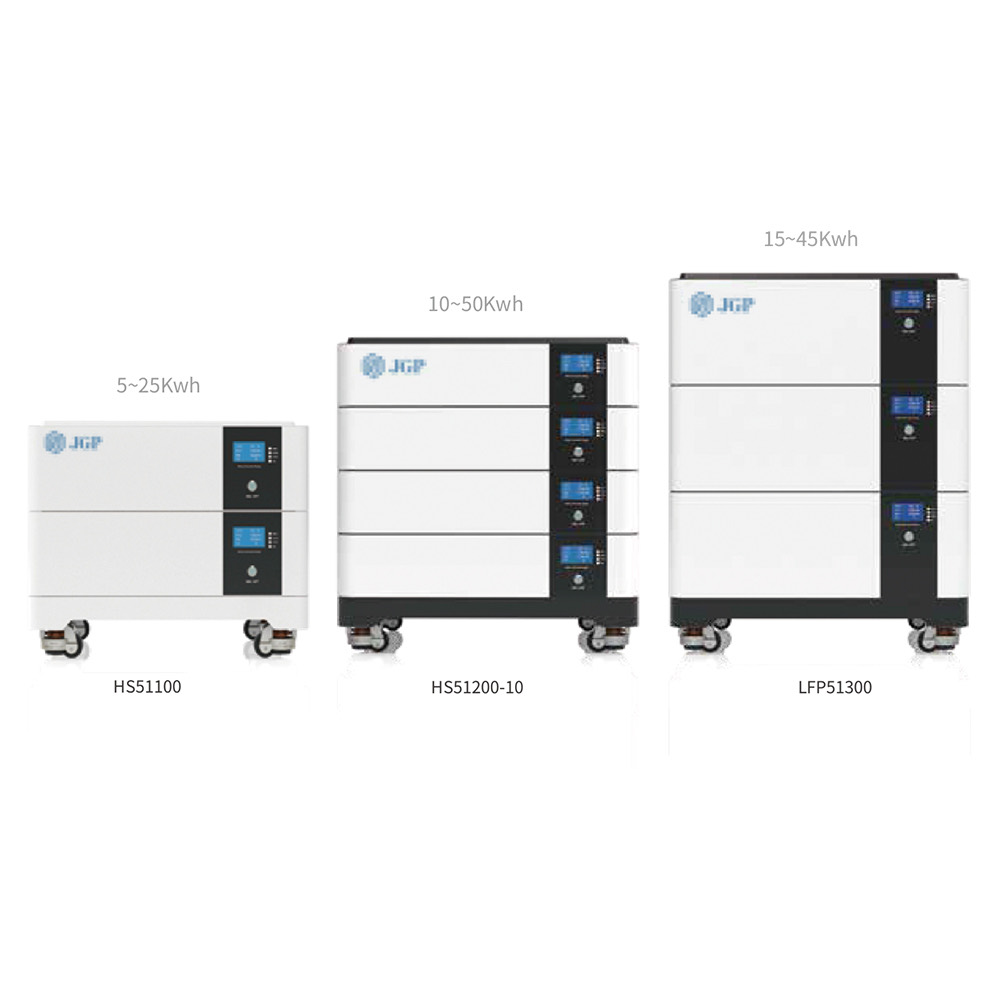 磷酸铁锂储能电池(5kWh~50kWh 可堆叠 / 移动式)磷酸铁锂 LiFePO4
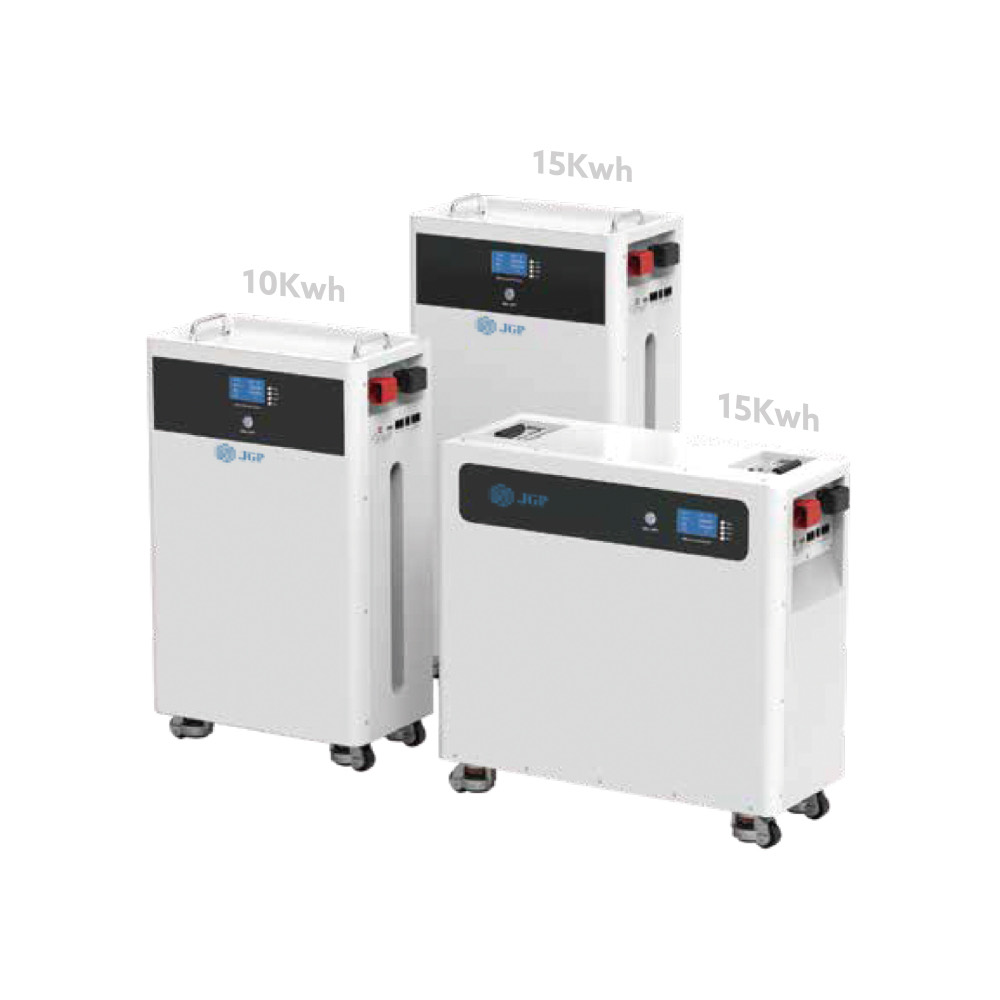 磷酸铁锂储能电池(10kWh~15kWh 可移动式)磷酸铁锂 LiFePO4
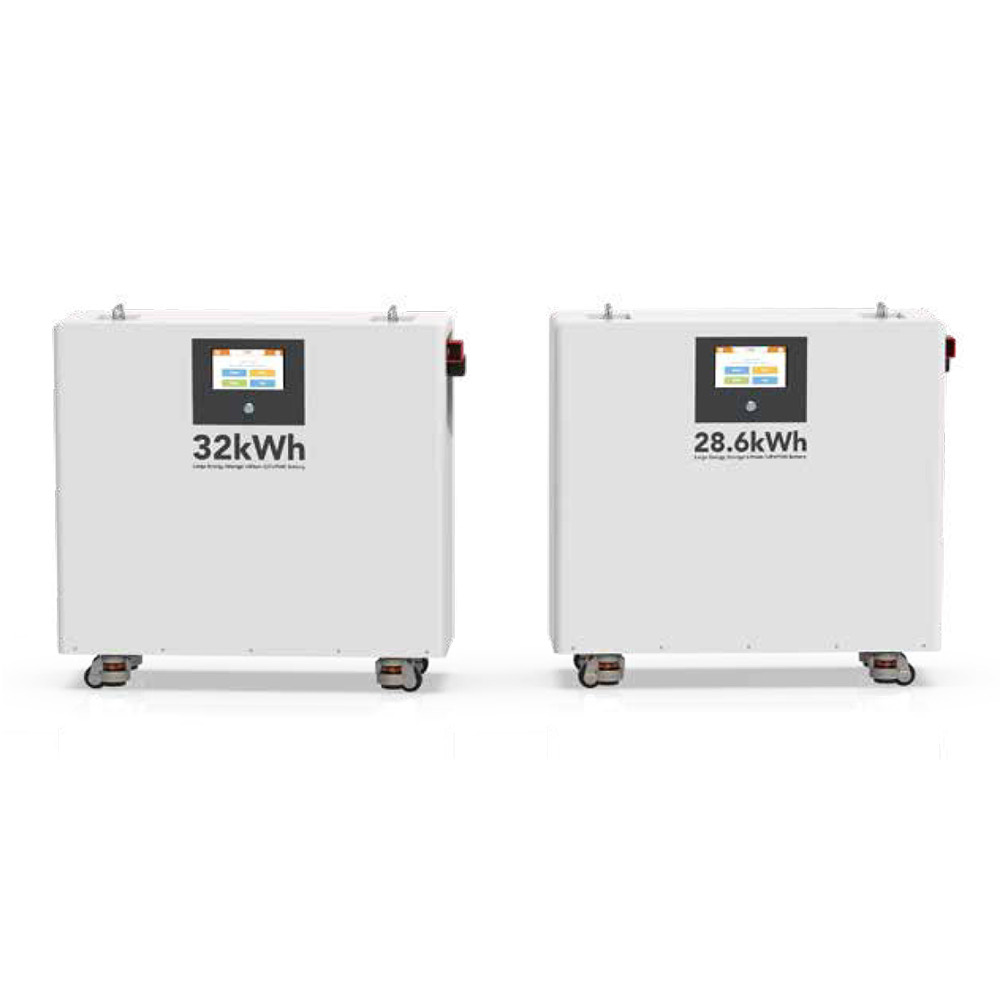 磷酸铁锂储能电池(28.6kWh~32kWh 可移动式)磷酸铁锂 LiFePO4
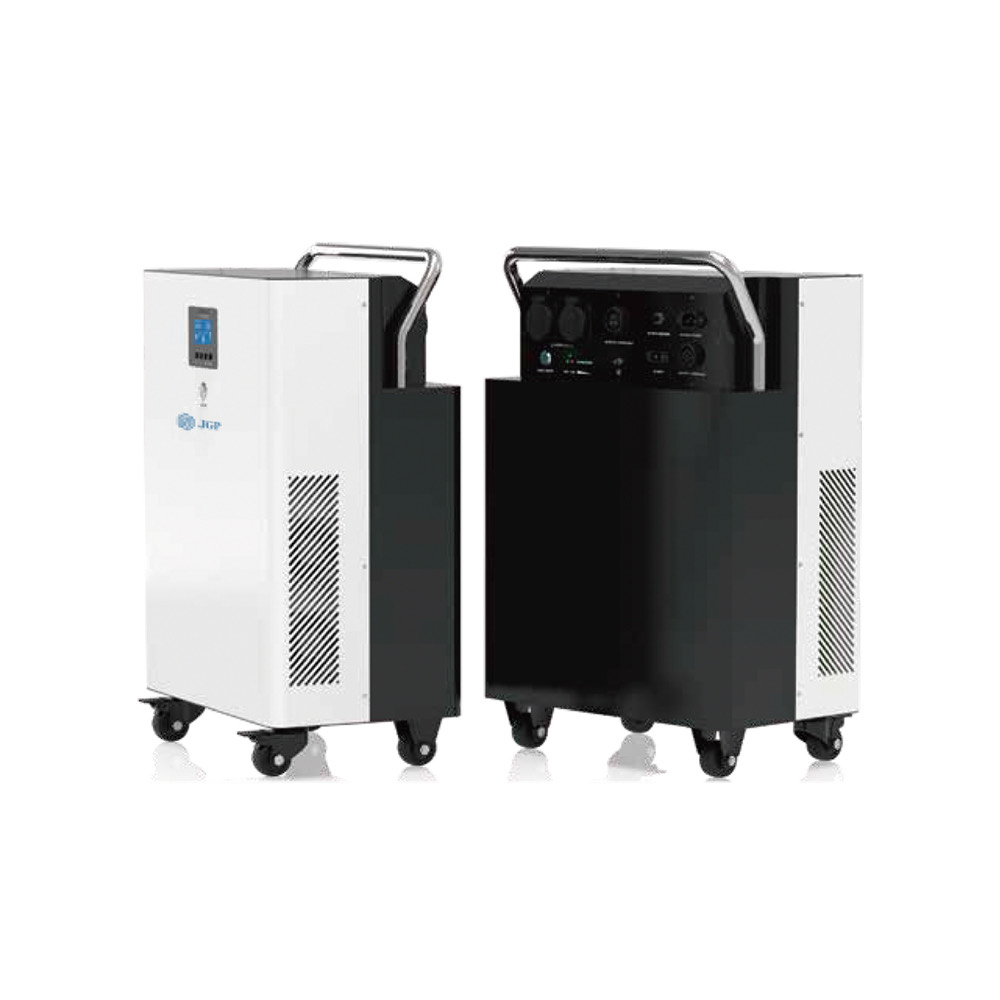 移动式便携电站(5kWh 电池 + 5kW 逆变器)磷酸铁锂 LiFePO4
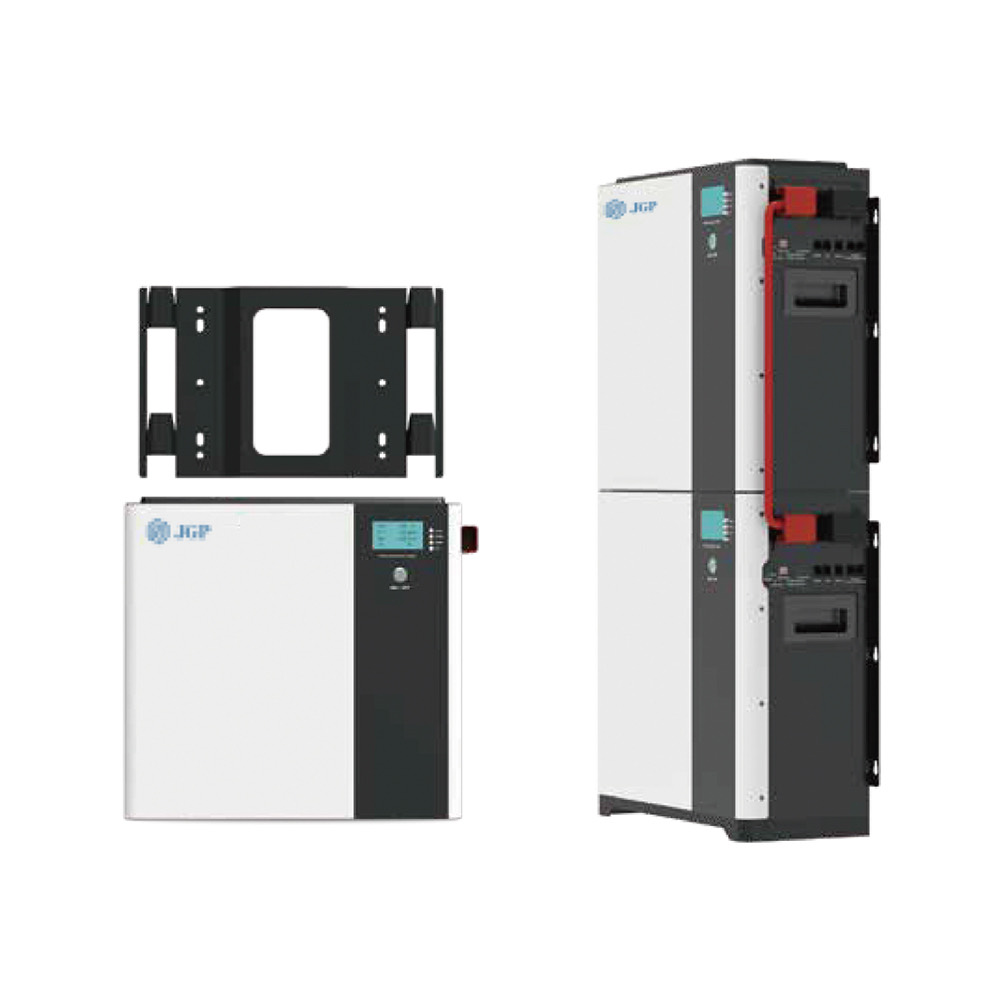 磷酸铁锂储能电池(2.5kWh~20kWh 壁挂可堆叠)磷酸铁锂 LiFePO4
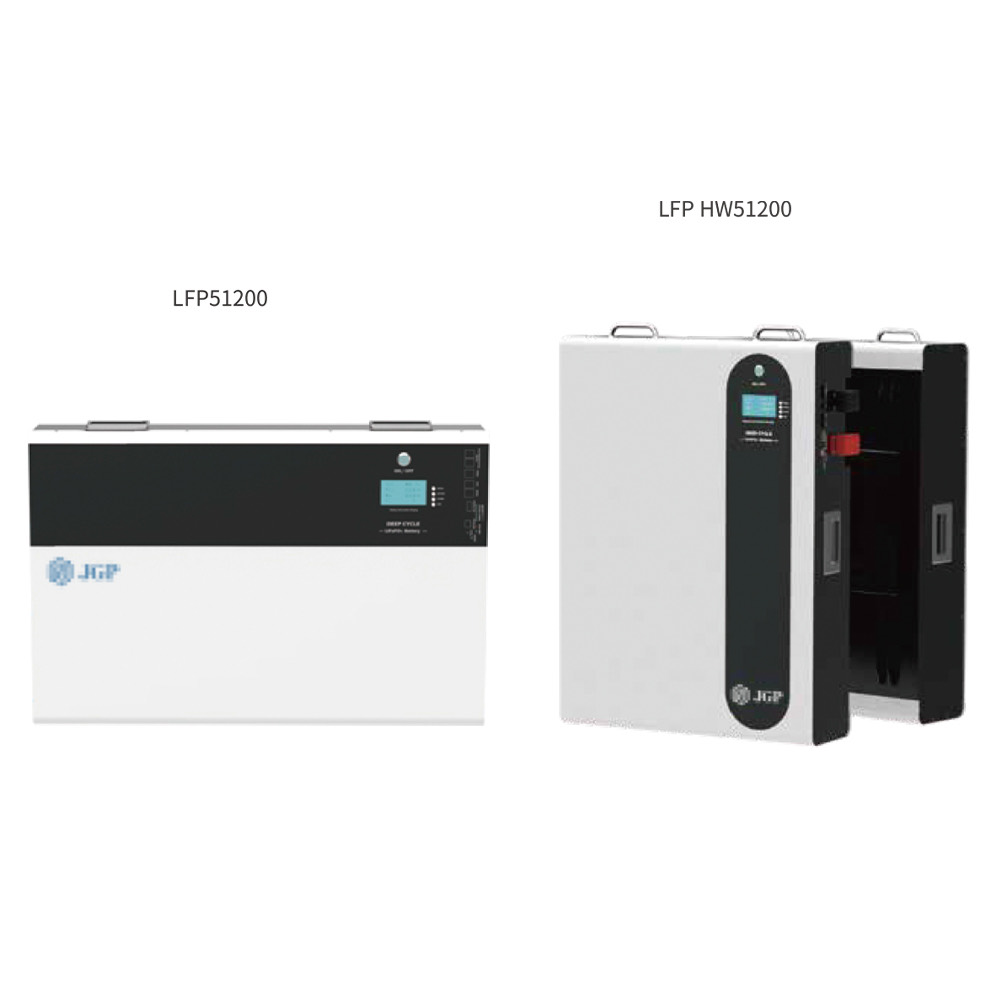 磷酸铁锂储能电池(10kWh 壁挂系列)磷酸铁锂 LiFePO4
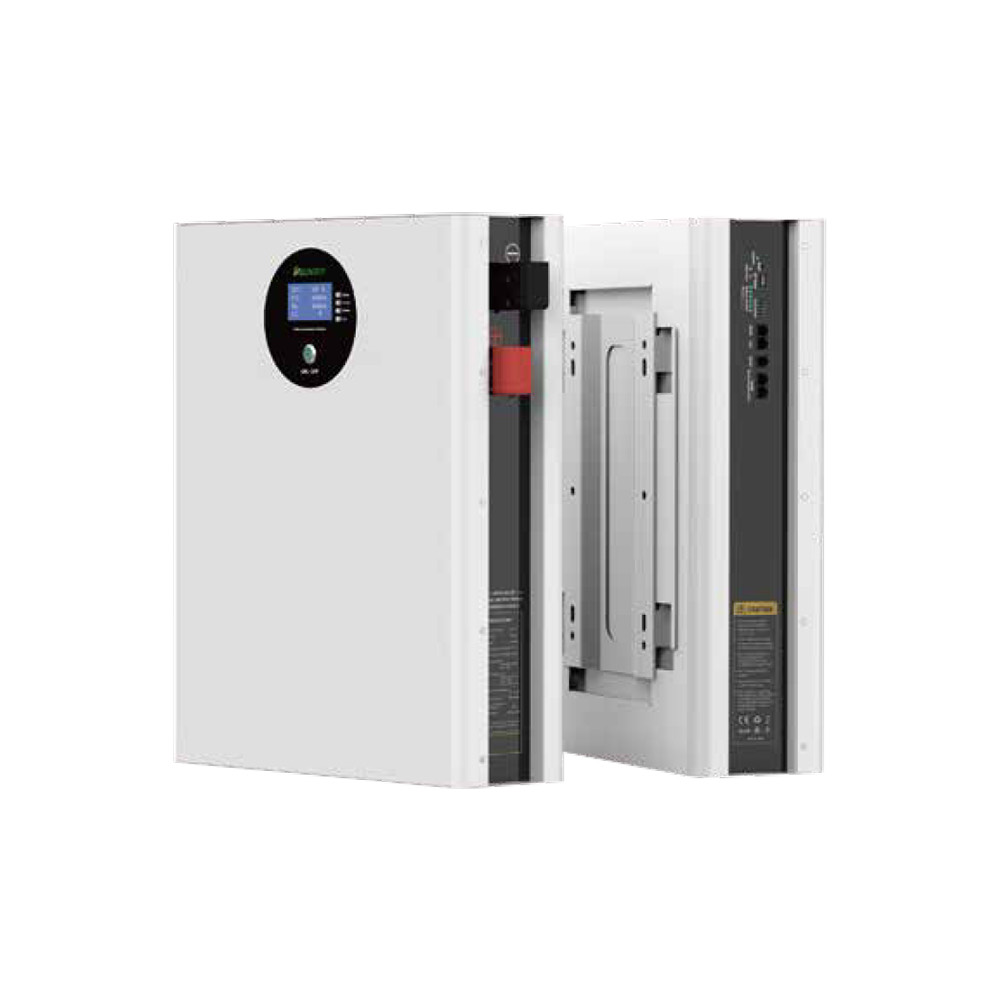 固态电池(5kWh 壁挂系列)磷酸铁锂 LiFePO4
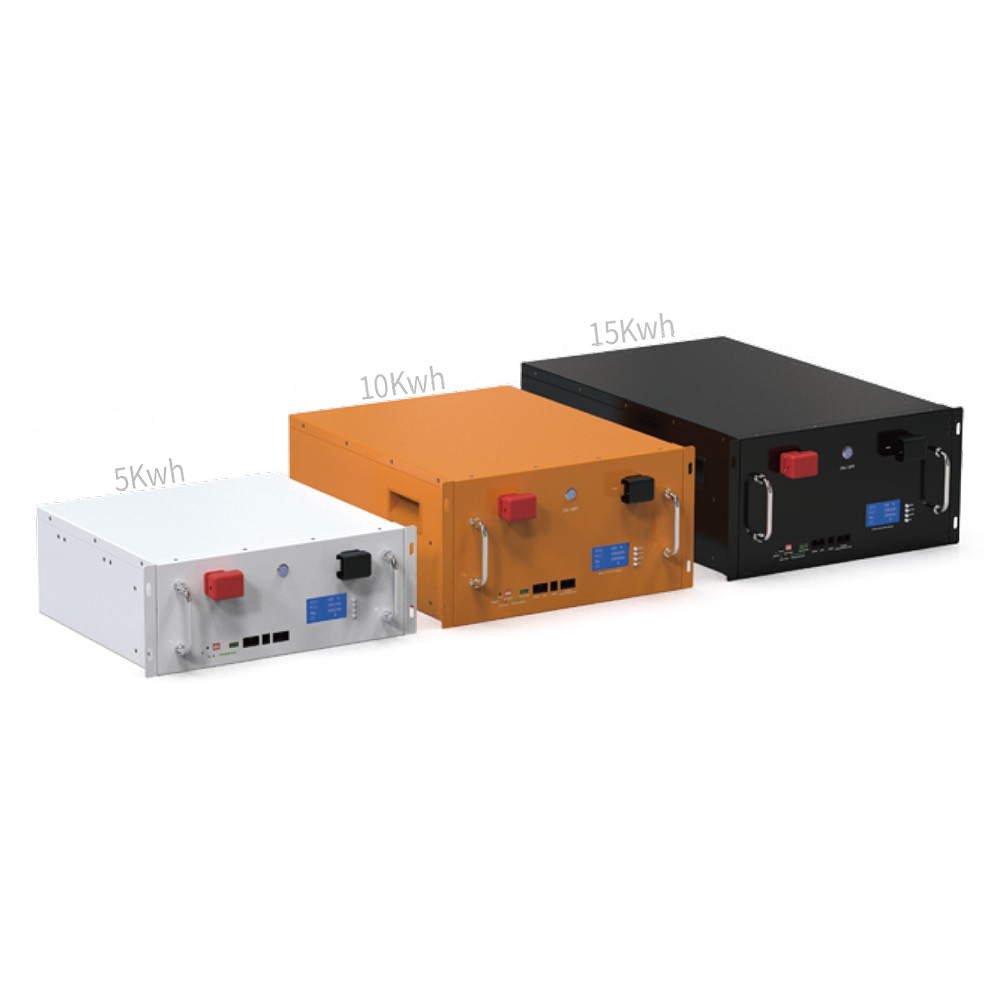 磷酸铁锂储能电池(5kWh~15kWh 机架式系列)磷酸铁锂 LiFePO4
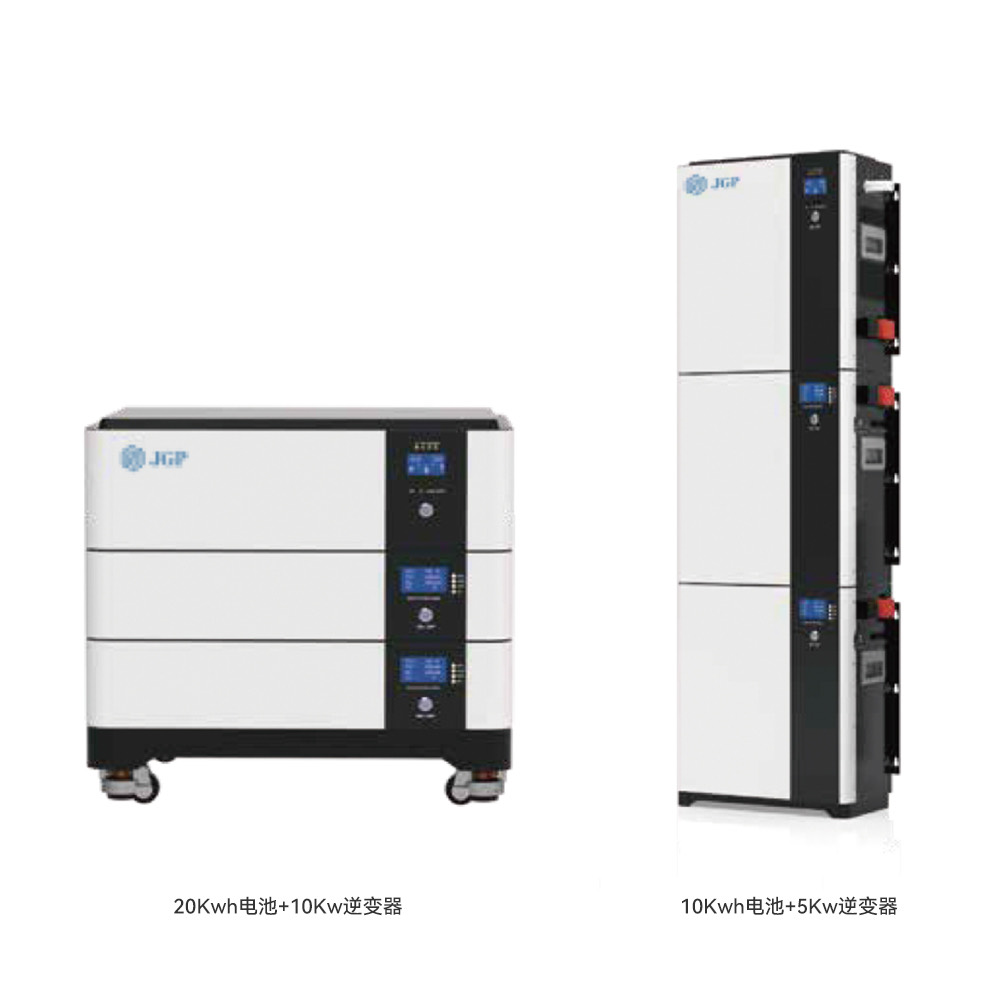 一体化混合储能系统(储能电池 + 5kW / 10kW 逆变器)磷酸铁锂 LiFePO410钠离子电池组(48V / 51.2V 系列)48 V / 51.2 V11锂离子电池组与电芯(18650 / 聚合物 / 定制)18650 packs / Polymer packs / LiFePO4 packs查看全部产品 →