The association's executive adviser described the result as Europe embracing solar again: solar is the most popular energy source among EU citizens, versatile and one of the cheapest ways to generate power, and with costs continuing to fall the long-term upward trend has only just begun. Its policy director pointed to the EU's 2020 targets as a major driver, with many member states choosing low-cost solar to meet their obligations. Removing trade measures on solar panels and adopting the Clean Energy Package have established a positive regulatory framework; the task now lies with member states in executing sound national climate and energy plans.
Germany remained Europe's largest solar market, adding 2.96 GW — 68% more than the 1.76 GW installed in 2017. Turkey followed with 1.64 GW, a 37% decline caused by the country's financial crisis. The Netherlands emerged as the rising star of European solar, ranking third with approximately 1.4 GW added, up from 0.77 GW in 2017 and entering the gigawatt club for the first time.
Analysts noted that despite the impressive 36% growth, a surge of demand from China late in the year created a shortage of high-quality modules in Europe and forced some developers to postpone projects into 2019 — but that 2019 was set to be a strong year for European solar.

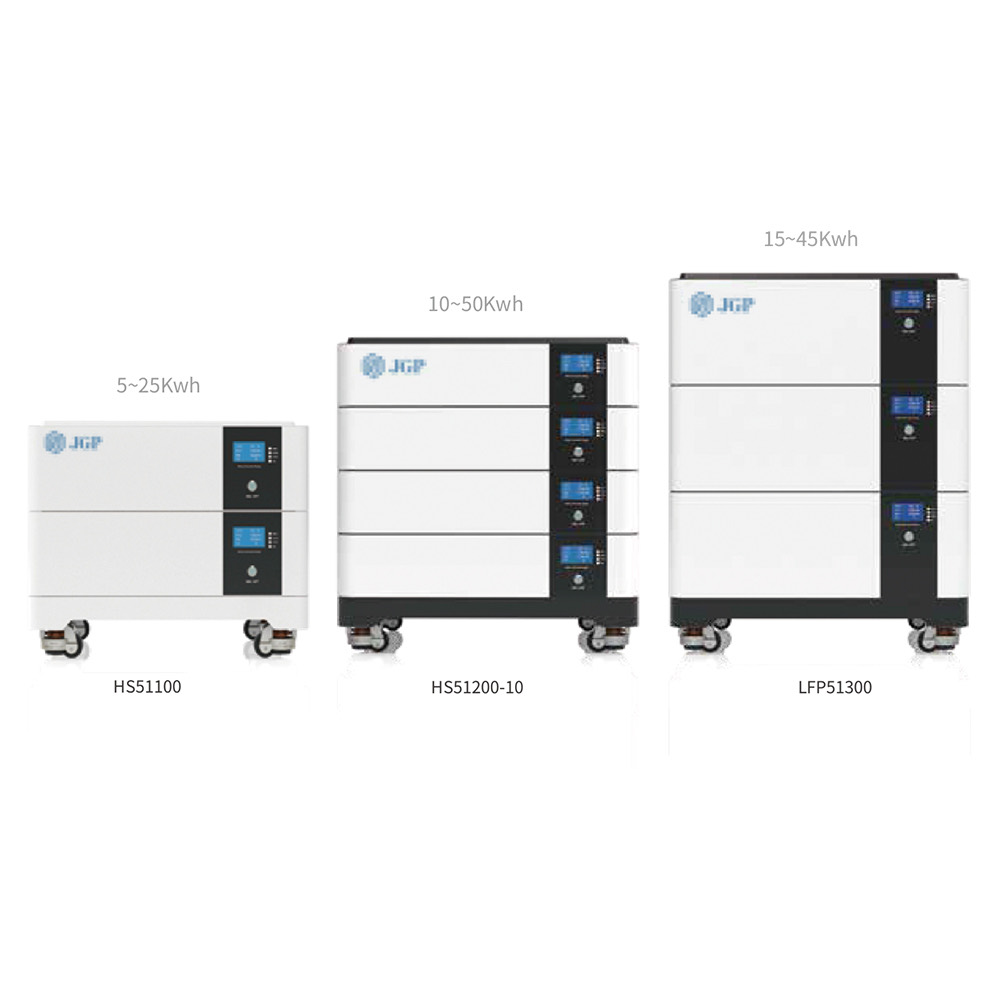 磷酸铁锂储能电池(5kWh~50kWh 可堆叠 / 移动式)磷酸铁锂 LiFePO4
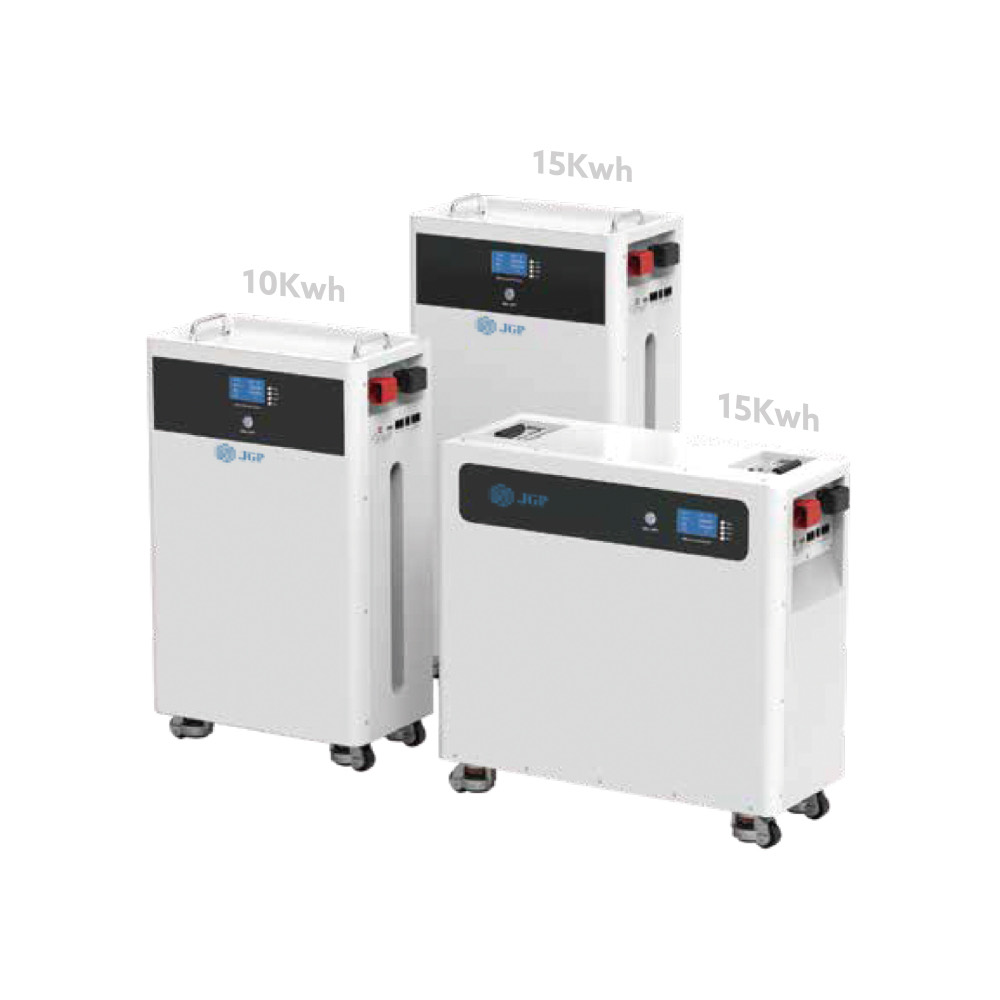 磷酸铁锂储能电池(10kWh~15kWh 可移动式)磷酸铁锂 LiFePO4
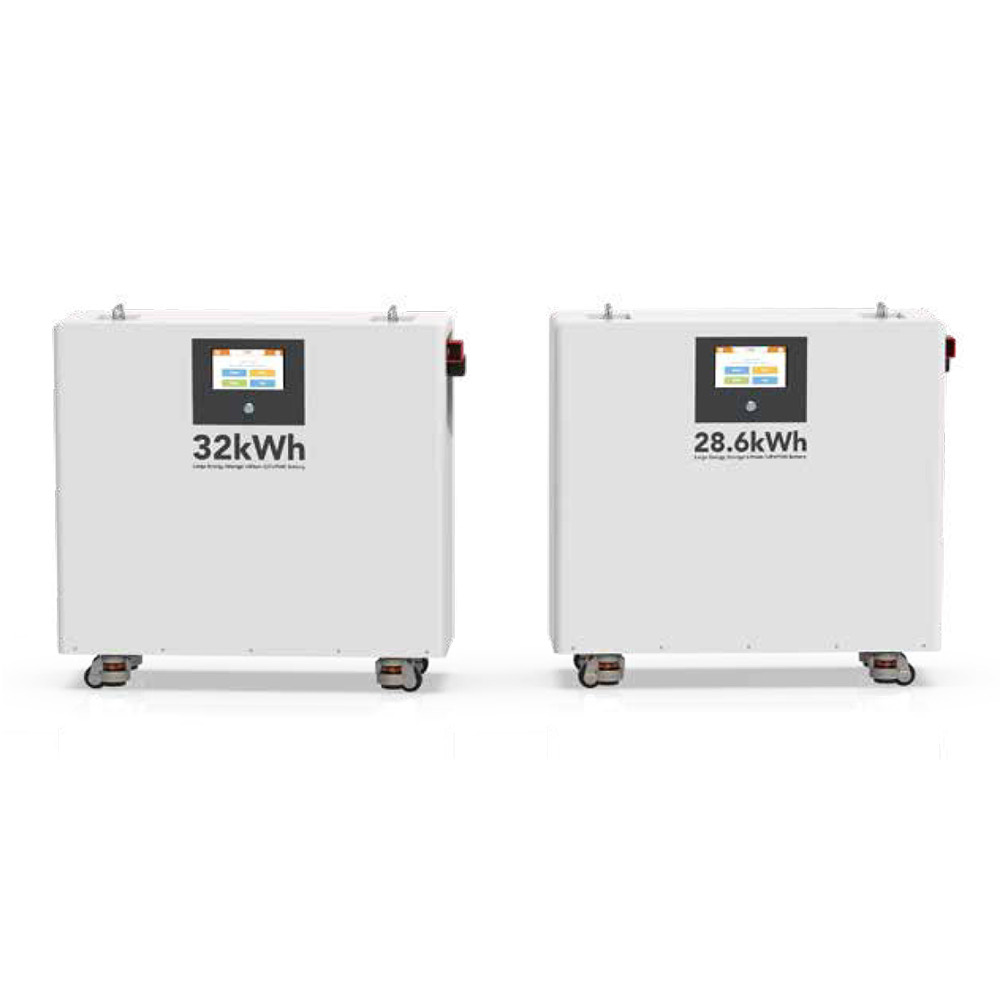 磷酸铁锂储能电池(28.6kWh~32kWh 可移动式)磷酸铁锂 LiFePO4
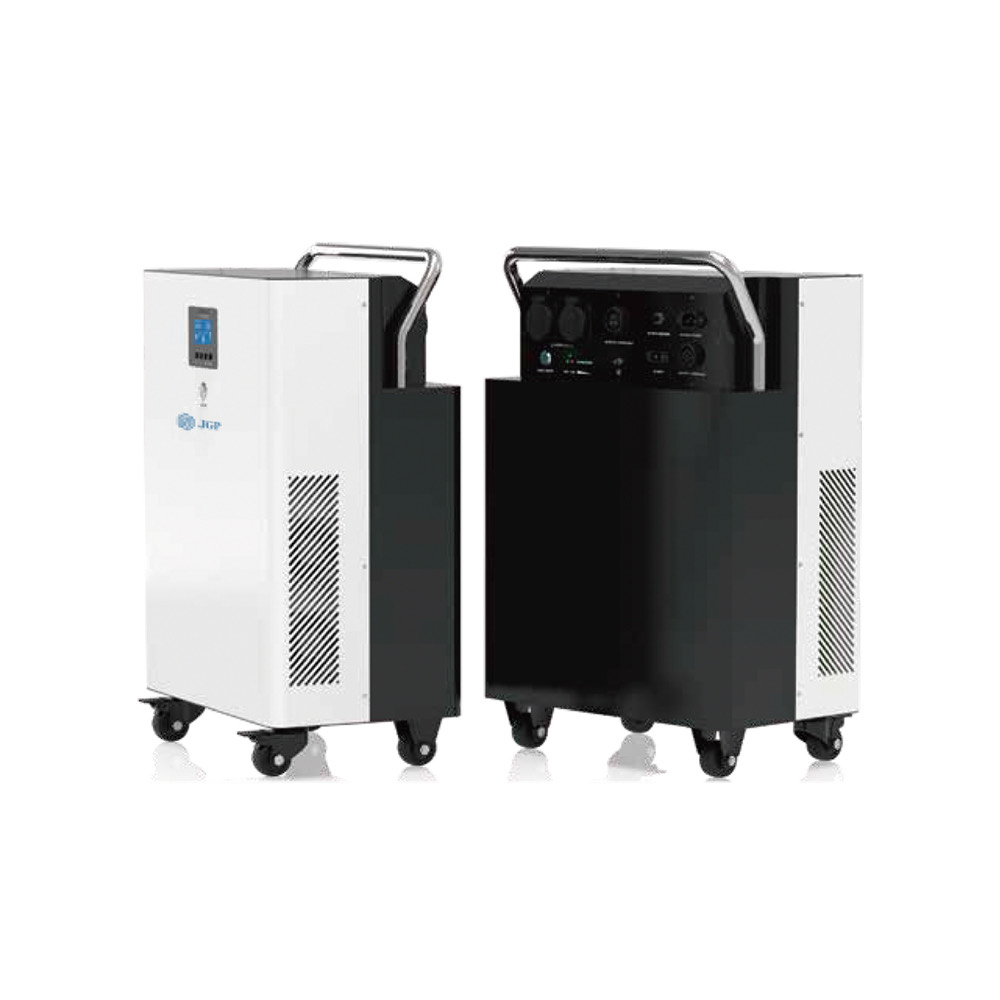 移动式便携电站(5kWh 电池 + 5kW 逆变器)磷酸铁锂 LiFePO4
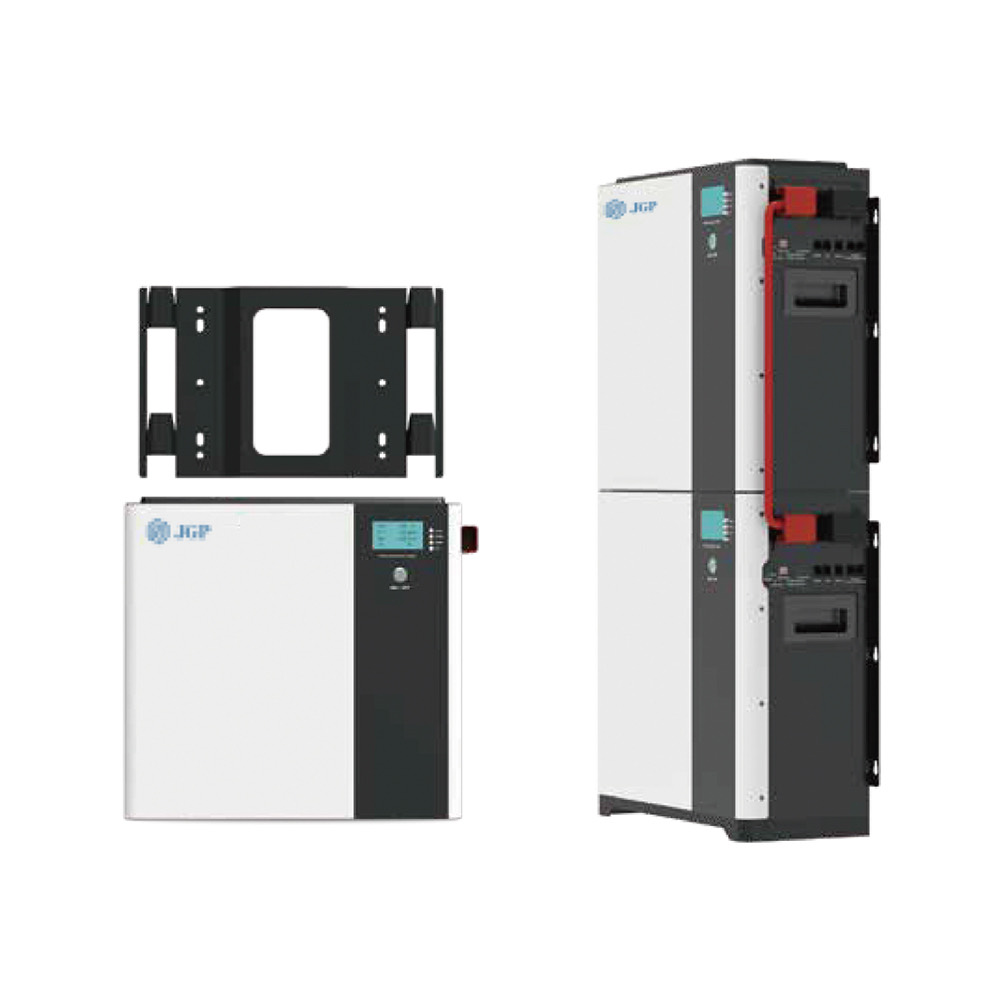 磷酸铁锂储能电池(2.5kWh~20kWh 壁挂可堆叠)磷酸铁锂 LiFePO4
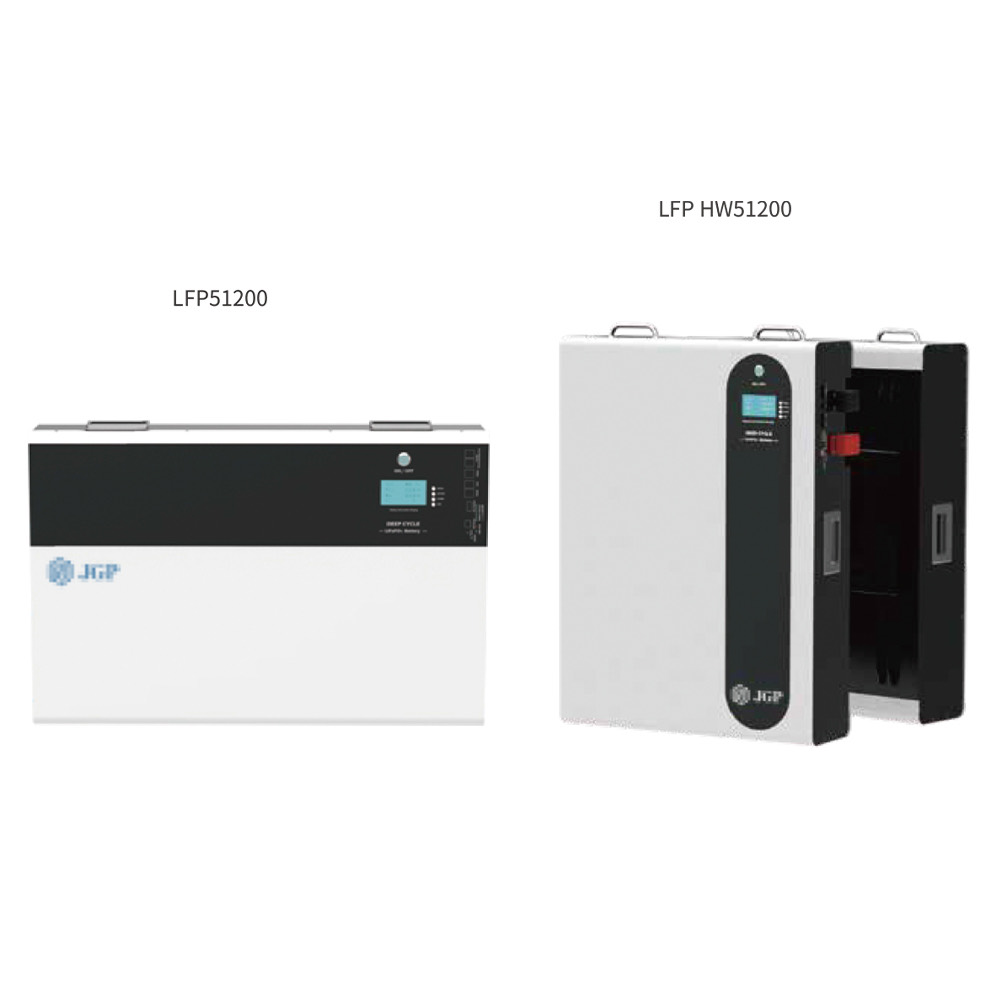 磷酸铁锂储能电池(10kWh 壁挂系列)磷酸铁锂 LiFePO4
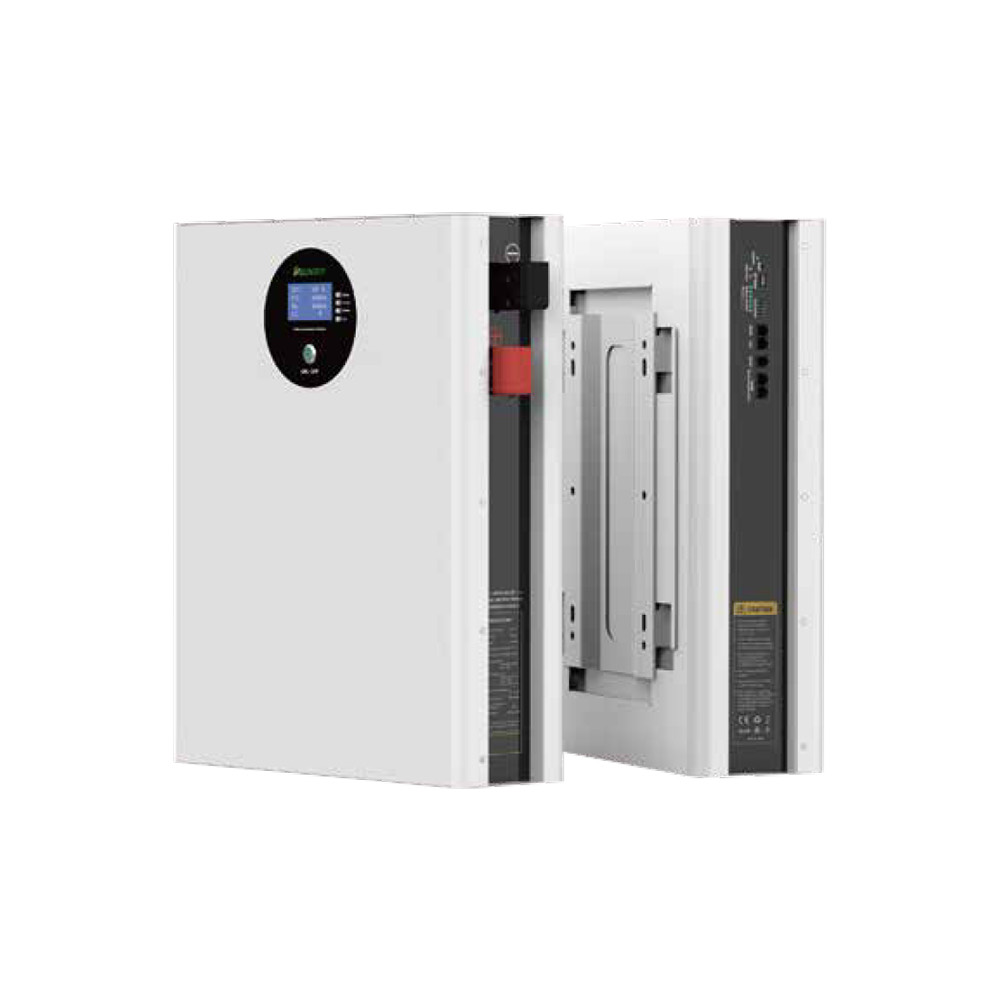 固态电池(5kWh 壁挂系列)磷酸铁锂 LiFePO4
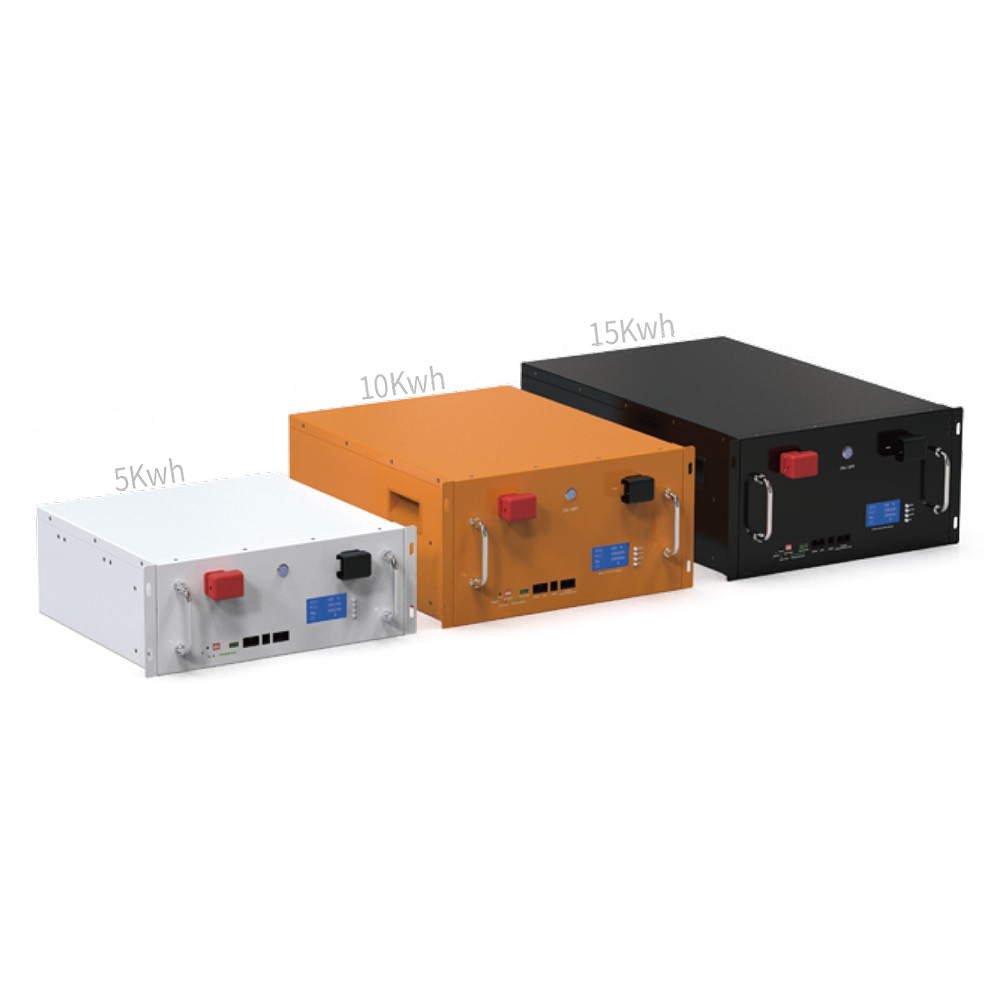 磷酸铁锂储能电池(5kWh~15kWh 机架式系列)磷酸铁锂 LiFePO4
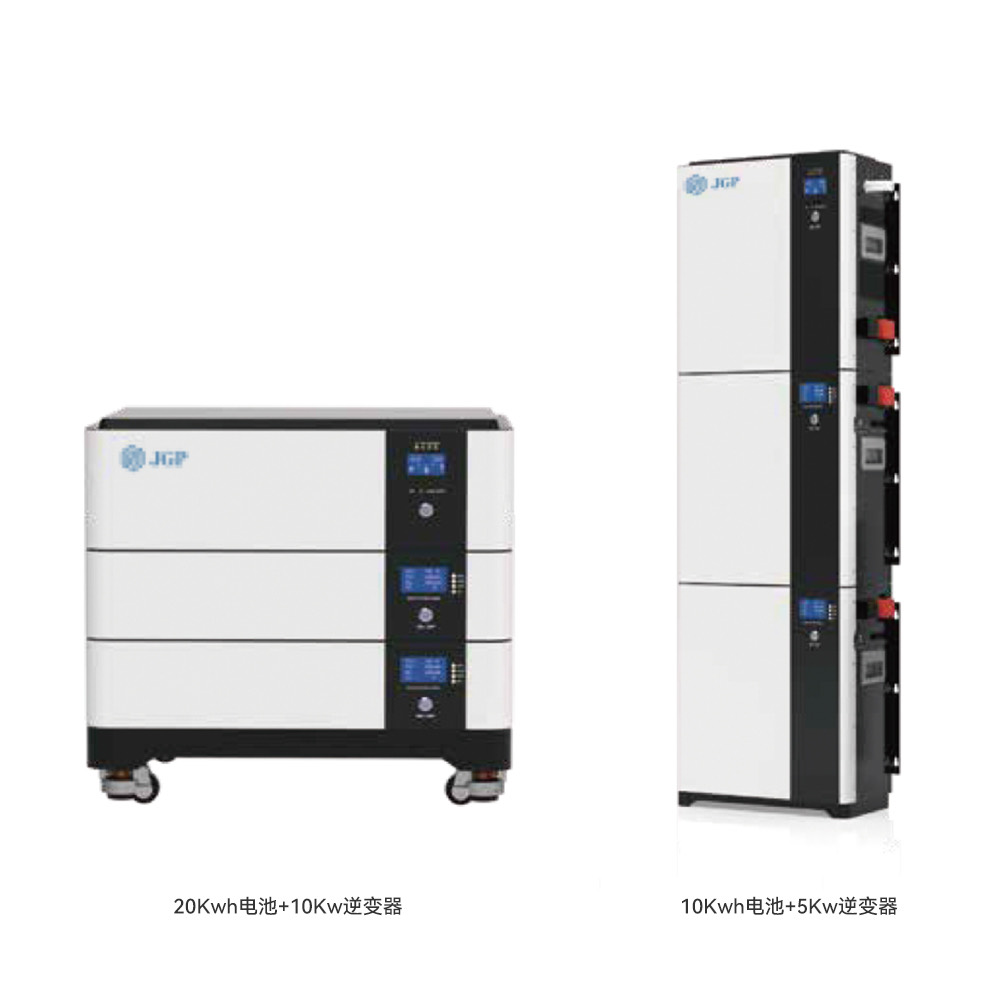 一体化混合储能系统(储能电池 + 5kW / 10kW 逆变器)磷酸铁锂 LiFePO410钠离子电池组(48V / 51.2V 系列)48 V / 51.2 V11锂离子电池组与电芯(18650 / 聚合物 / 定制)18650 packs / Polymer packs / LiFePO4 packs查看全部产品 →