Analysis published by CNN noted that while the Trump administration announced America's withdrawal from the Paris accord on the grounds of economic cost, China was investing hundreds of billions of dollars in clean energy. Even in a country where coal remains — or once was — the dominant energy source, the government sees the economic opportunity in clean energy.
According to the International Renewable Energy Agency, more than 2.5 million people work in the solar sector in China, compared with 260,000 in the United States. While the US president promised to return coal miners to work, China moved in the opposite direction: coal still dominates energy consumption, but mines have been closed and roughly 1.3 million coal-sector jobs earmarked for reduction, with new coal-fired plants restricted.
In January the National Energy Administration set its first mandatory target for reducing coal consumption and a goal for clean energy to meet 20% of China's energy demand by 2030. Analysts expect that target to be met comfortably; Greenpeace reported that clean energy already accounted for 12% of consumption by the end of 2015, while official US figures put renewables at just 10%. To reach the 2030 goal China pledged 2.5 trillion yuan of investment in renewable generation — solar, wind, hydro and nuclear — before 2020, expected to create around ten million jobs. China already has 3.5 million renewable energy jobs, the most in the world.
China has also become the principal producer and exporter of renewable energy technology, supplying two-thirds of the world's solar panels, and its wind sector produces about half of the world's turbines — roughly two every hour.

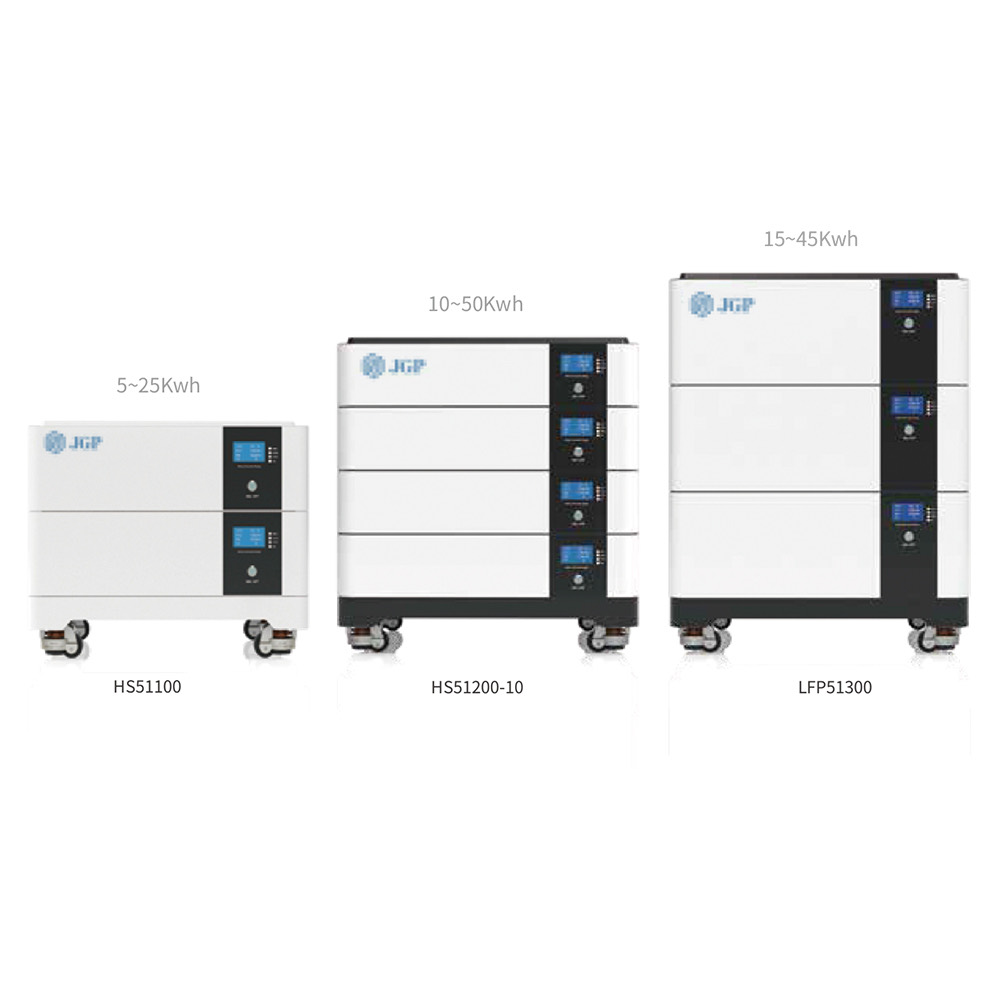 磷酸铁锂储能电池(5kWh~50kWh 可堆叠 / 移动式)磷酸铁锂 LiFePO4
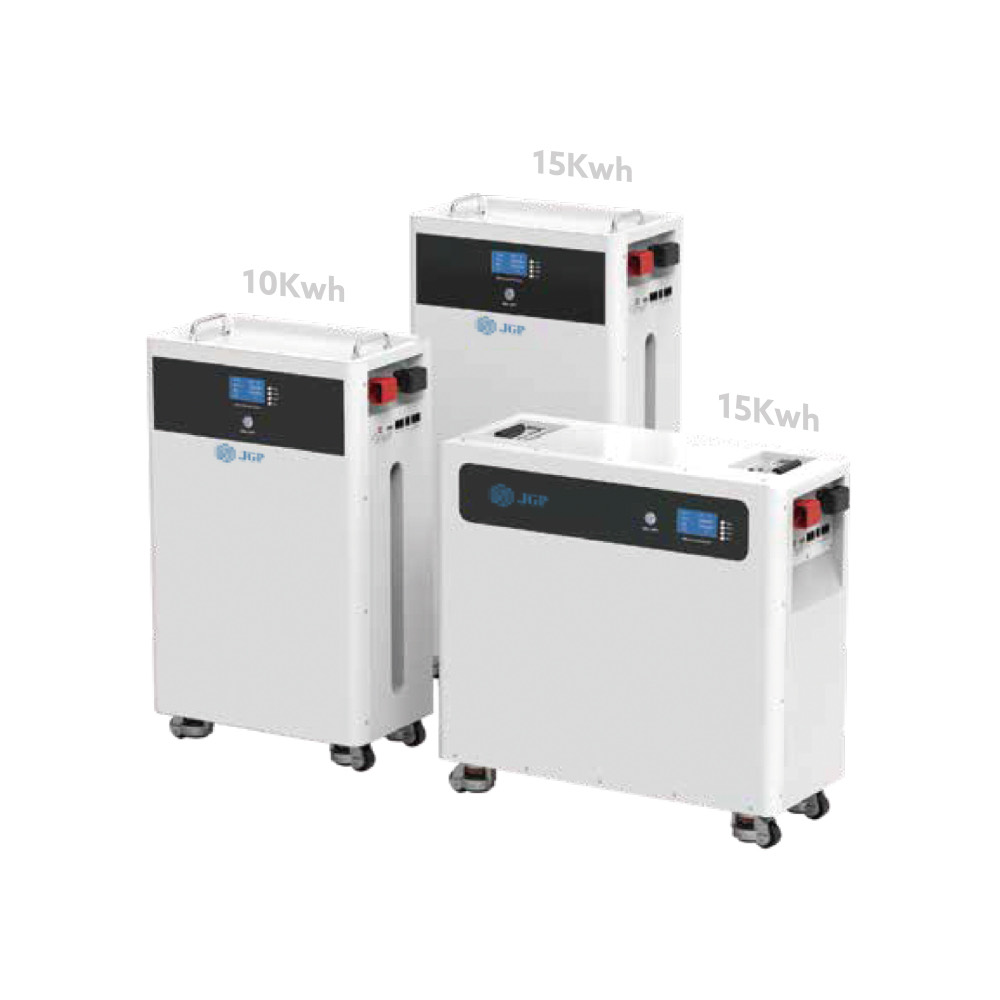 磷酸铁锂储能电池(10kWh~15kWh 可移动式)磷酸铁锂 LiFePO4
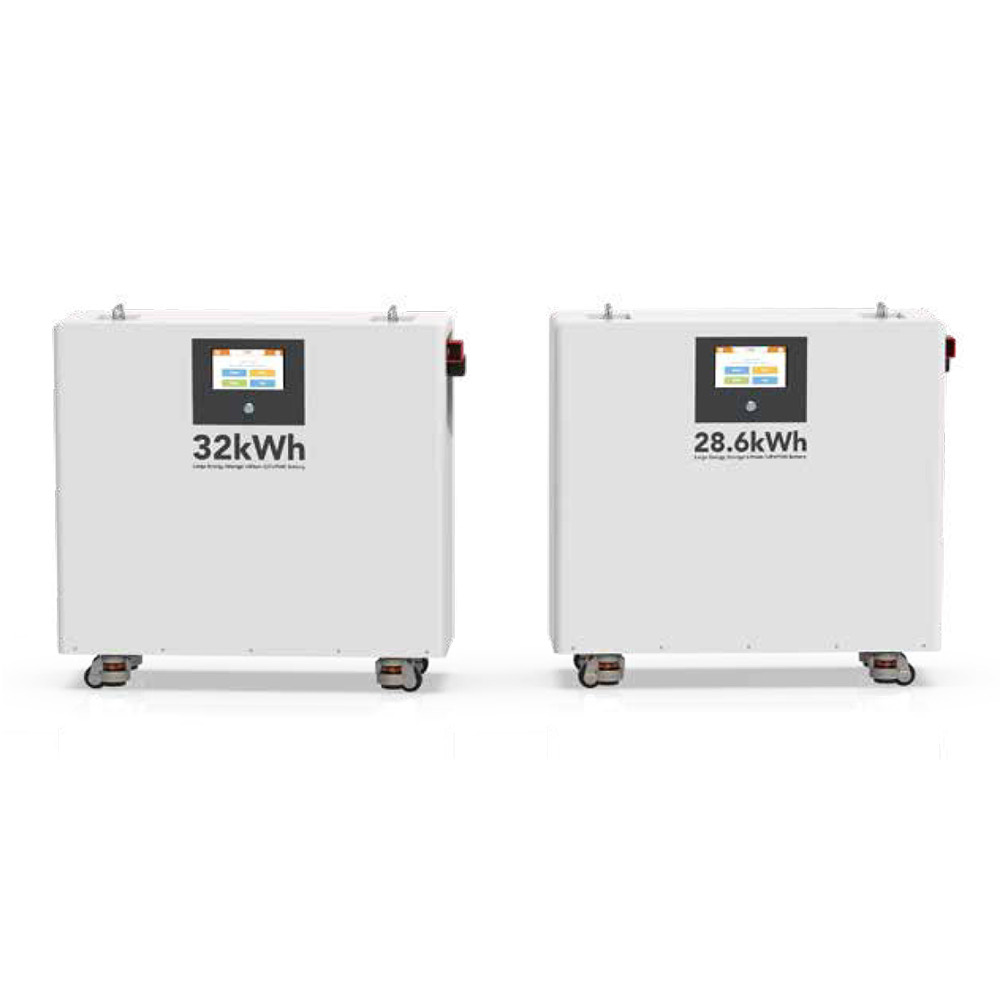 磷酸铁锂储能电池(28.6kWh~32kWh 可移动式)磷酸铁锂 LiFePO4
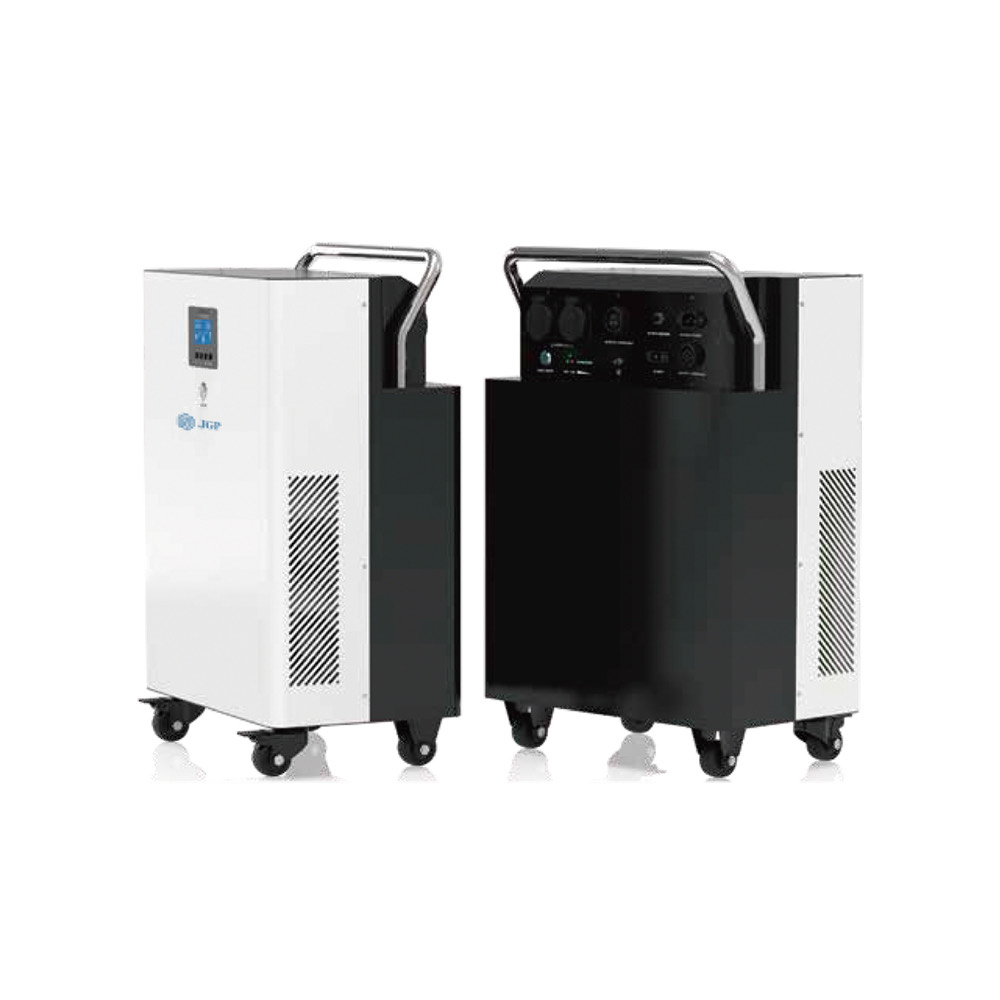 移动式便携电站(5kWh 电池 + 5kW 逆变器)磷酸铁锂 LiFePO4
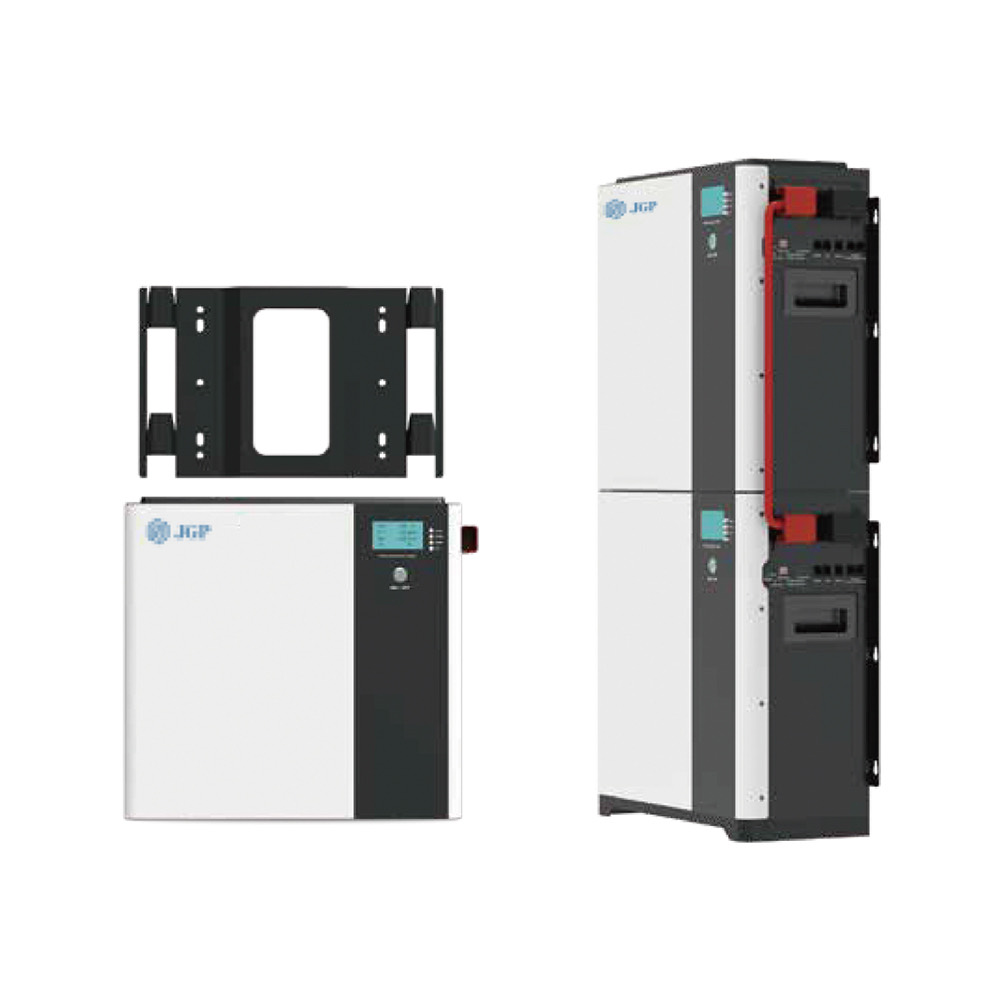 磷酸铁锂储能电池(2.5kWh~20kWh 壁挂可堆叠)磷酸铁锂 LiFePO4
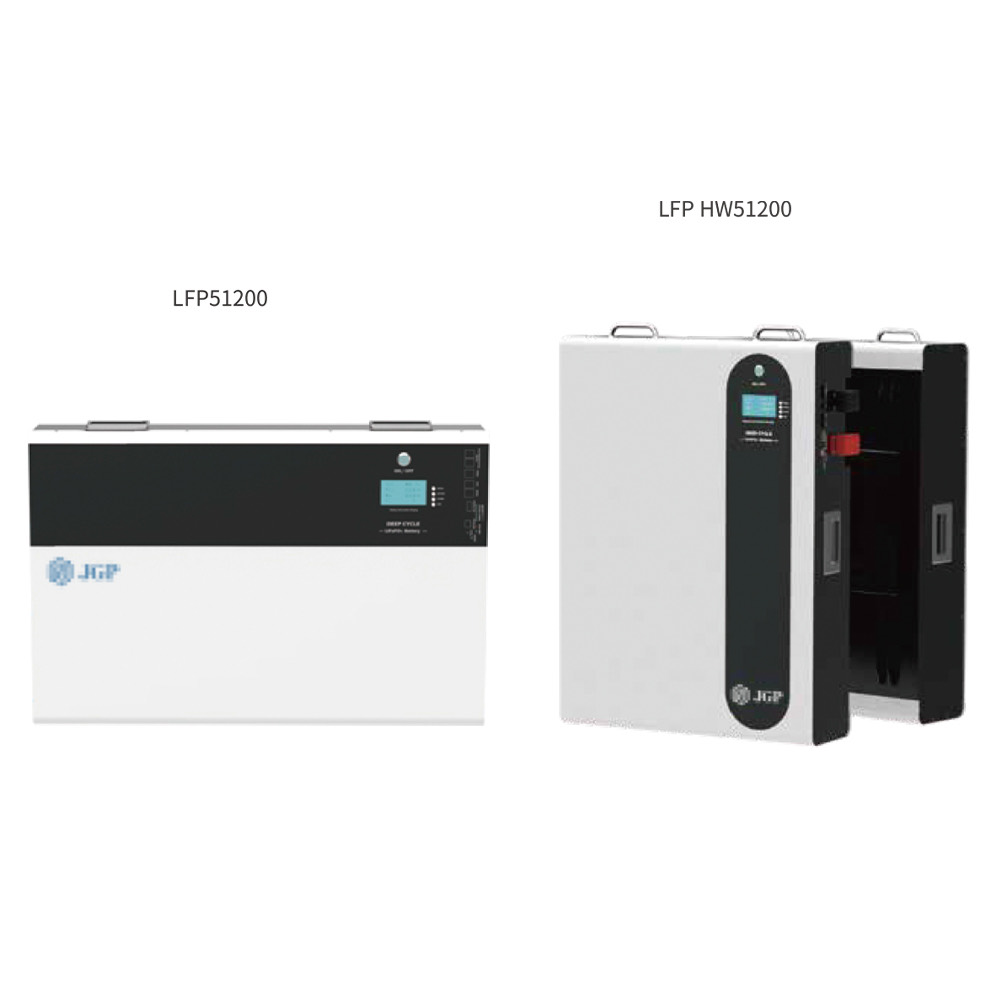 磷酸铁锂储能电池(10kWh 壁挂系列)磷酸铁锂 LiFePO4
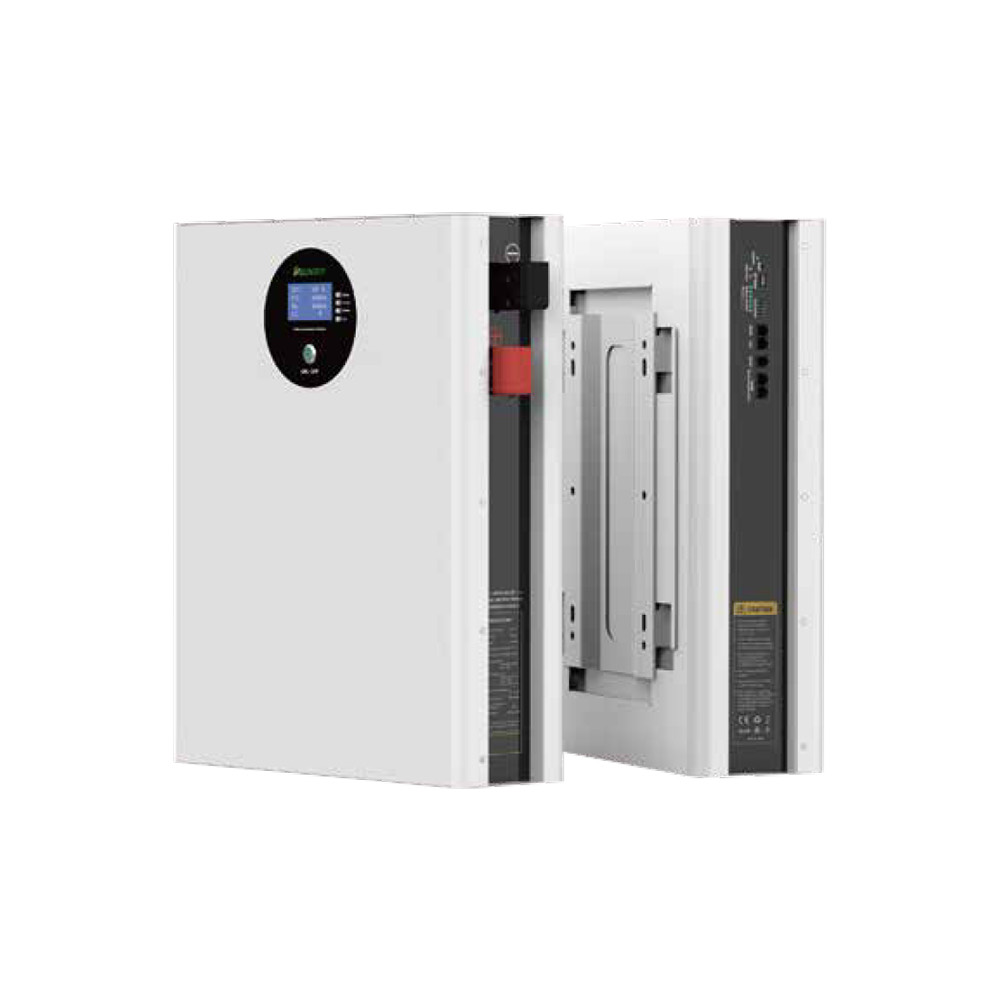 固态电池(5kWh 壁挂系列)磷酸铁锂 LiFePO4
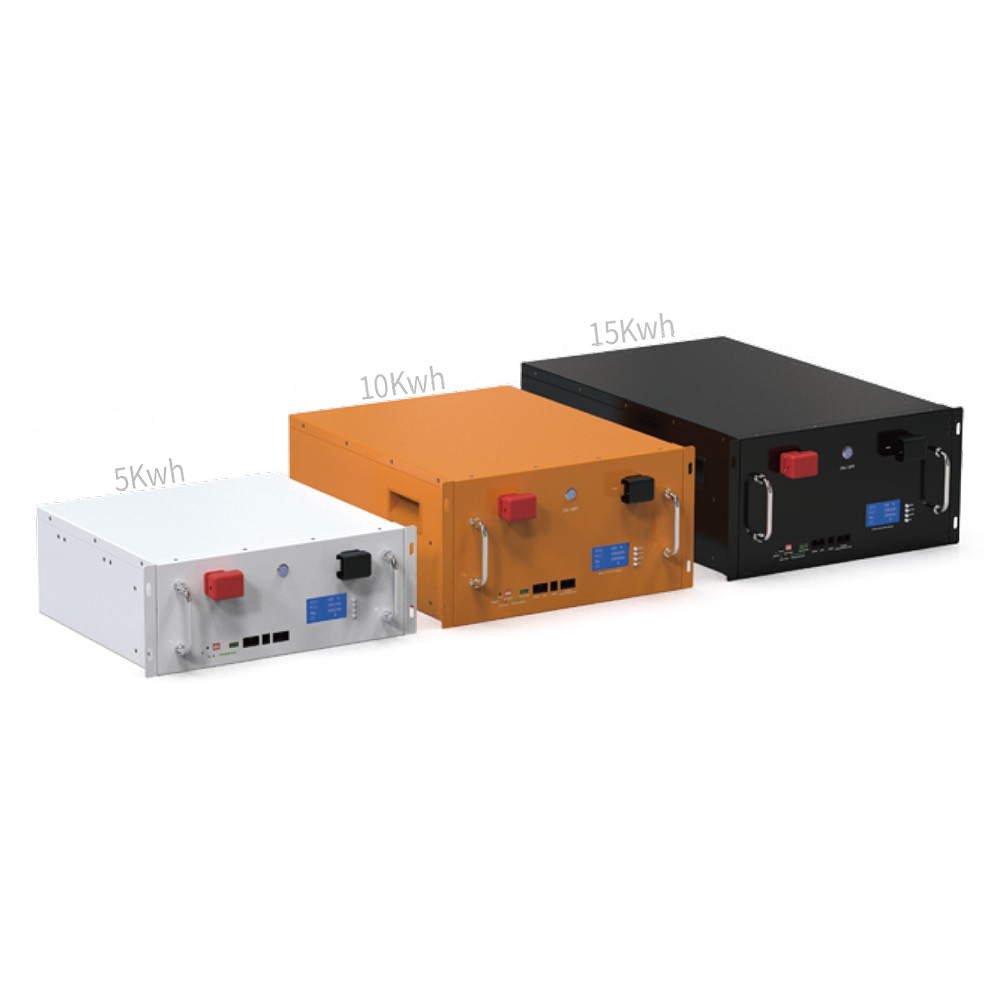 磷酸铁锂储能电池(5kWh~15kWh 机架式系列)磷酸铁锂 LiFePO4
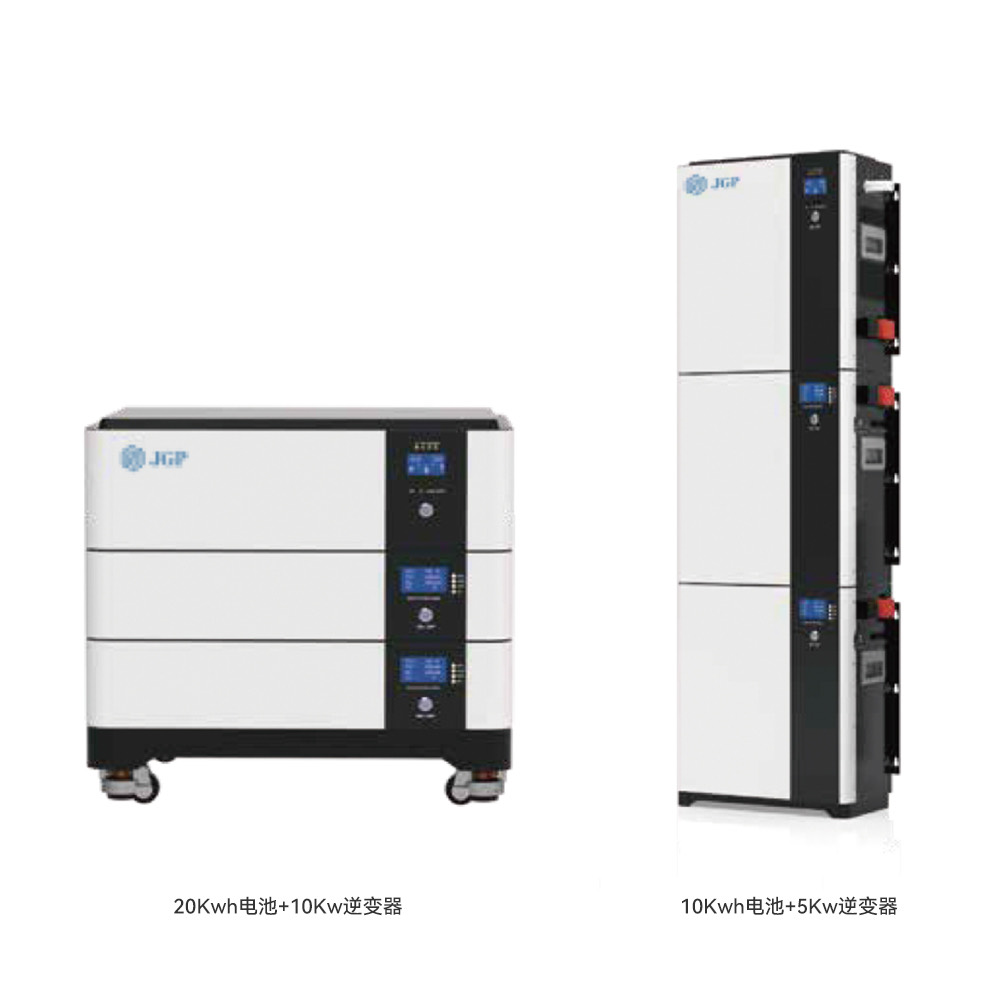 一体化混合储能系统(储能电池 + 5kW / 10kW 逆变器)磷酸铁锂 LiFePO410钠离子电池组(48V / 51.2V 系列)48 V / 51.2 V11锂离子电池组与电芯(18650 / 聚合物 / 定制)18650 packs / Polymer packs / LiFePO4 packs查看全部产品 →